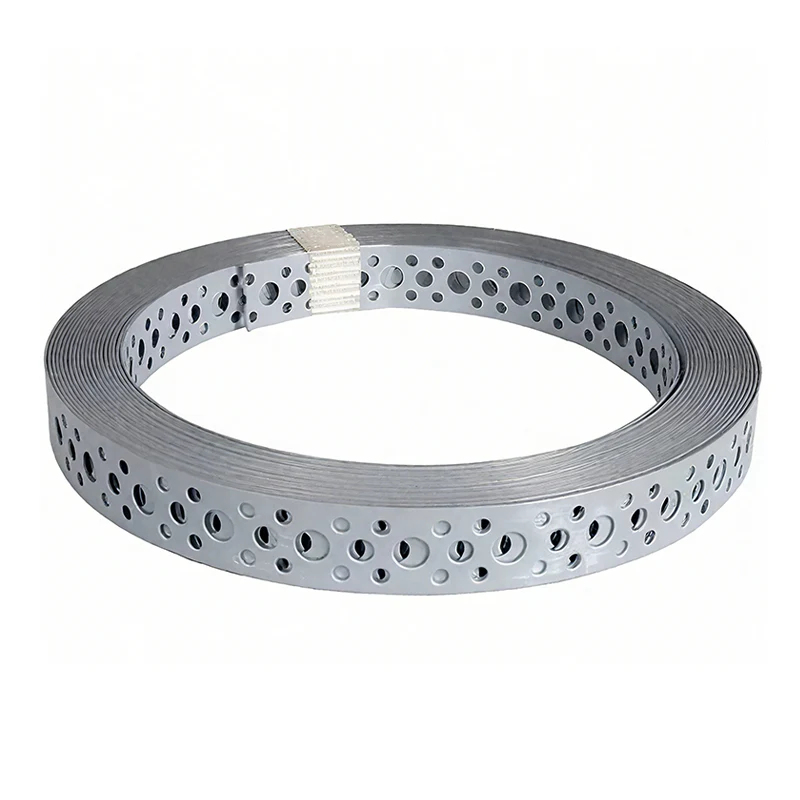
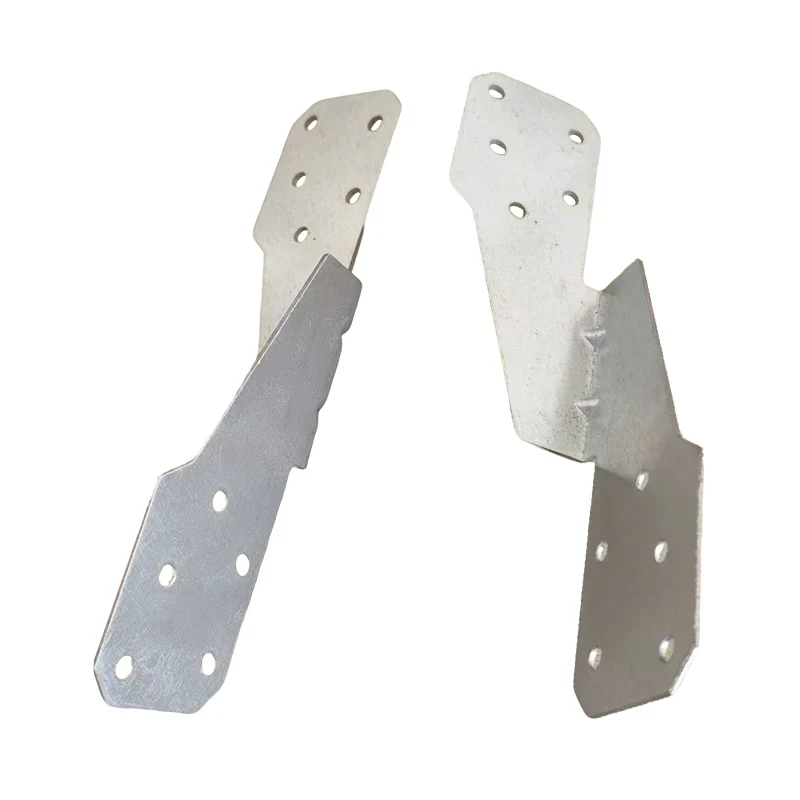
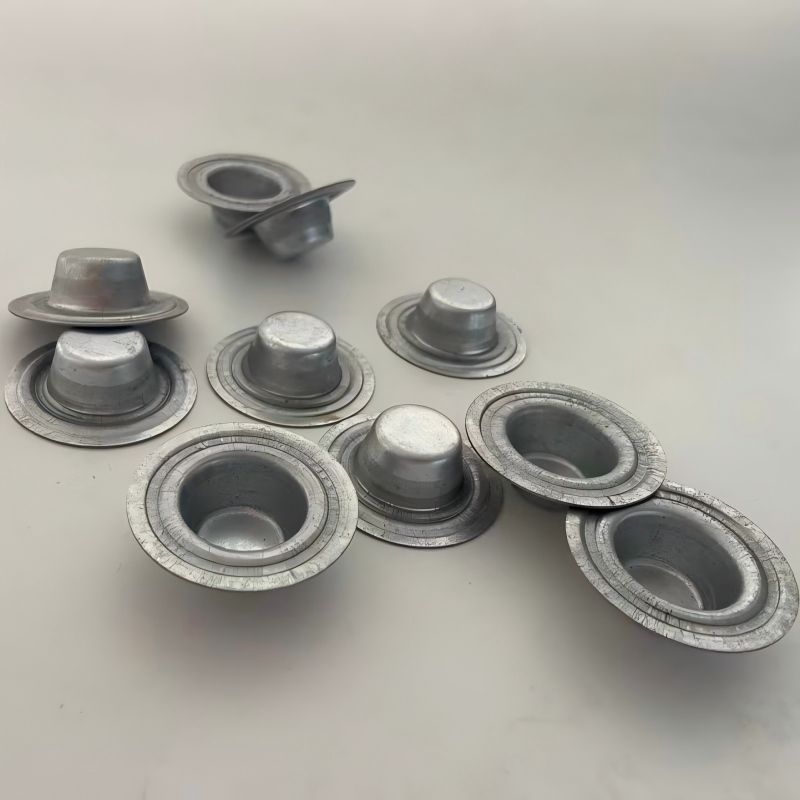
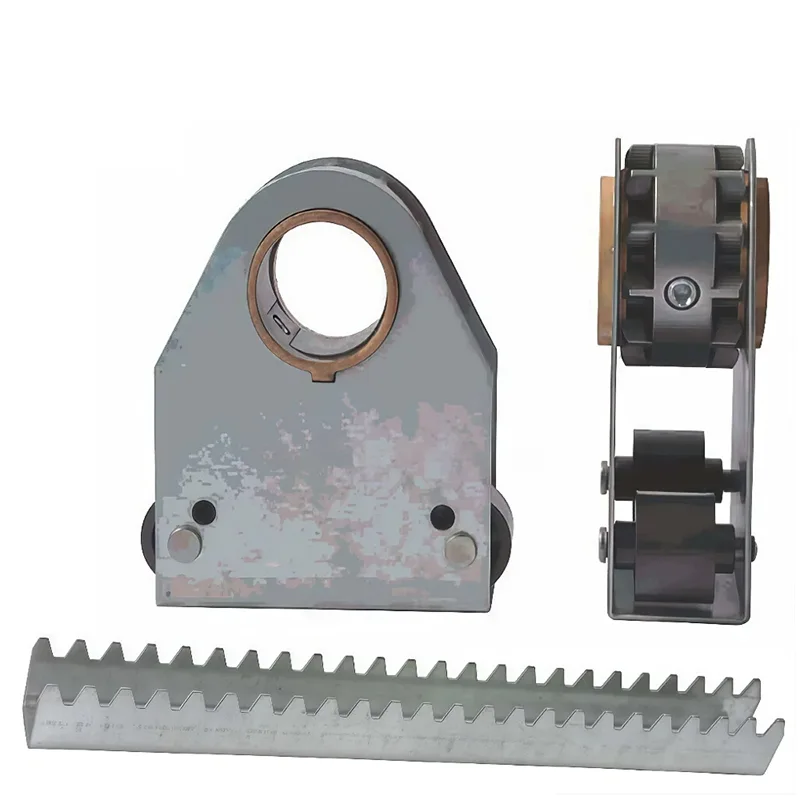
A sheet metal enclosure leaves the fabrication line as a functional but anonymous object. It has the right dimensions, the right cutouts, and the right finish. But it has no identity. It does not tell the user which button to press, which port to connect, or which brand it belongs to. Silk-screen printing changes that. It applies a durable, precise layer of ink to the metal surface, transforming a generic component into a labeled, branded, and user-friendly part. For procurement managers sourcing Sheet Metal Fabrication Parts, silk-screen printing is not a decorative afterthought. It is a value-adding process that improves usability, reduces assembly errors, enhances brand perception, and can lower total cost by eliminating separate labels and fasteners.
This guide is written for buyers who are sourcing Sheet Metal Fabrication Parts and need to understand the value that silk-screen printing brings. We will explain what silk-screen printing is, how it performs on metal surfaces, the design and durability benefits it offers, the cost considerations, the specifications to include in a purchase order, and the criteria for evaluating a supplier. We will also provide detailed product parameters from our factory at Cangzhou Shengsen Metal Products Co., Ltd. Whether you are sourcing control panels, machine covers, electronic enclosures, or architectural metalwork, this guide will help you decide whether silk-screen printing is the right process for your part.
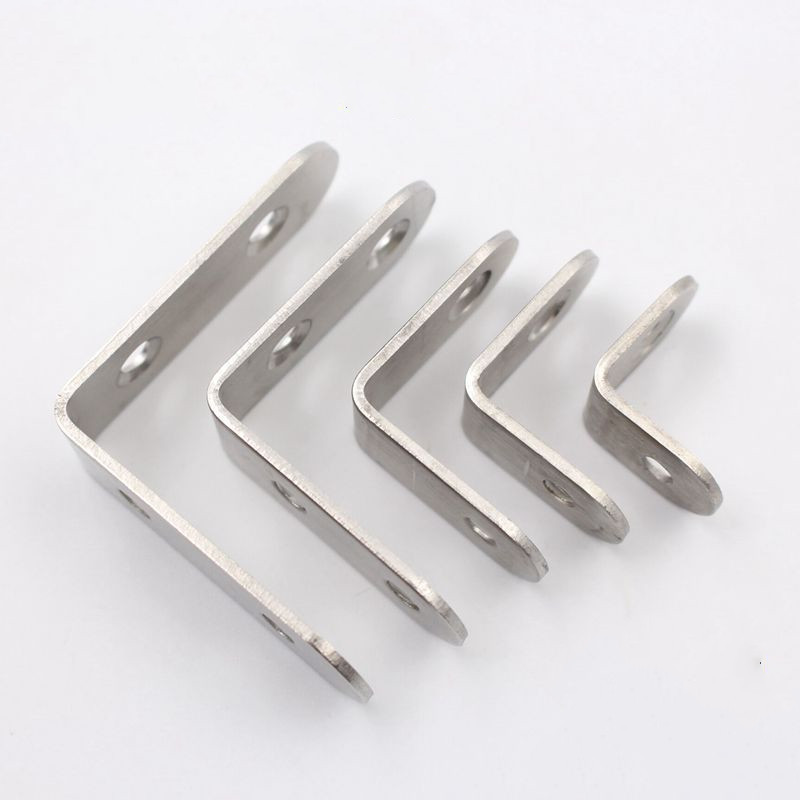
Silk-screen printing, also known as screen printing, is a process that transfers ink onto a surface through a fine mesh screen. The screen is coated with a photosensitive emulsion, and the desired image is burned into the emulsion, creating open areas where the ink can pass through. The screen is placed over the metal part, and ink is forced through the open areas with a squeegee. The ink is then cured, typically with heat or ultraviolet light, to form a durable bond with the metal surface. The process can be repeated with different colors to create multi-color graphics. The table below summarizes the key steps in silk-screen printing on sheet metal.
| Step | Description | Importance for Sheet Metal Parts |
| Surface Preparation | Cleaning and degreasing the metal | Ensures ink adhesion |
| Screen Preparation | Coating, exposing, and developing the screen | Determines print resolution |
| Ink Application | Forcing ink through the screen with a squeegee | Applies the design to the part |
| Curing | Heat or UV curing of the ink | Bonds the ink to the metal |
| Inspection | Checking print quality and adhesion | Ensures the part meets specification |
At Cangzhou Shengsen Metal Products Co., Ltd., our factory integrates silk-screen printing into our Sheet Metal Fabrication Parts production line. We prepare the metal surface, apply the ink, and cure it in a controlled environment. Our goal is to provide our customers with parts that have a durable, precise, and visually appealing print.
Silk-screen printing offers superior durability on metal parts because the ink is formulated to bond with the metal surface and to withstand the conditions that the part will encounter in service. The ink is typically a two-part epoxy or a UV-cured acrylic that forms a hard, chemical-resistant film. This film resists abrasion, solvents, UV exposure, and temperature cycling. Unlike adhesive labels, which can peel or fade, silk-screen printing becomes part of the metal surface. The table below compares the durability of silk-screen printing with other marking methods.
| Marking Method | Abrasion Resistance | Chemical Resistance | UV Resistance | Durability |
| Silk-Screen Printing | Excellent | Excellent | Good | Very high |
| Adhesive Label | Moderate | Moderate | Moderate | Low to moderate |
| Pad Printing | Good | Good | Good | High |
| Laser Marking | Excellent | Excellent | Excellent | Very high |
At our factory, we use high-quality inks that are specifically formulated for metal substrates. We test the adhesion and durability of the print on every production batch. Our goal is to provide our customers with Sheet Metal Fabrication Parts that maintain their print through years of service.
Silk-screen printing improves design flexibility and usability by allowing the manufacturer to apply complex graphics, precise text, and functional markings directly to the metal part. This includes product branding, warning labels, control panel legends, wiring diagrams, and instructional text. The print can be applied to flat surfaces, curved surfaces, and even some three-dimensional features. This flexibility means that the part can be designed to be self-explanatory, reducing the need for separate labels and improving the user experience. The table below summarizes the design and usability benefits.
| Benefit | Description | Impact on the Part |
| Multi-Color Graphics | Up to 6 colors in a single print | Enhances brand identity |
| Precise Text | Clear, legible text down to 0.5 mm | Improves usability |
| Functional Markings | Control legends, warnings, diagrams | Reduces assembly errors |
| Curved Surface Printing | Can print on curved and irregular surfaces | Expands design options |
| Integration with Forming | Print can be applied before or after forming | Simplifies production |
At S-SEN, our factory has the capability to print on a wide range of Sheet Metal Fabrication Parts, including control panels, enclosures, and machine covers. We work with our customers to design the print layout and to select the inks that meet their requirements. Our goal is to provide parts that are both functional and visually appealing.
Silk-screen printing provides cost advantages over alternative marking methods, particularly for medium to high-volume production. The screen preparation is a one-time cost, and the per-part cost decreases as the volume increases. The process is fast, and it can be integrated into the fabrication line, reducing handling and lead time. It also eliminates the cost of separate labels, adhesives, and the labor required to apply them. The table below compares the cost of silk-screen printing with other marking methods for different production volumes.
| Marking Method | Setup Cost | Cost per Part (Low Volume) | Cost per Part (High Volume) |
| Silk-Screen Printing | Medium | Medium | Low |
| Adhesive Label | Low | Low | Medium |
| Pad Printing | Medium | Medium | Medium |
| Laser Marking | High | High | Low |
At our factory, we help our customers evaluate the cost of silk-screen printing for their specific production volumes. We can provide cost estimates and samples to support the decision. Our goal is to help our customers achieve the best balance of cost and performance.
When ordering Sheet Metal Fabrication Parts with silk-screen printing, the buyer should include detailed specifications in the purchase order to ensure that the print meets the required performance and appearance standards. The key specifications are the ink type, the color, the print thickness, the curing method, the adhesion requirement, and the durability test. The table below summarizes the specifications that should be included.
| Specification | Options | Notes |
| Ink Type | Epoxy, UV-cured acrylic | Selected for durability and application |
| Color | Pantone matching | Ensures brand consistency |
| Print Thickness | 10 - 25 µm | Selected for durability |
| Curing Method | Heat, UV | Selected for ink and substrate |
| Adhesion Requirement | Cross-hatch test, tape test | Ensures ink bonding |
| Durability Test | Abrasion, solvent, UV | Verifies performance |
At our factory, we work with our customers to ensure that all specifications are clearly defined and understood before production begins. We provide samples for approval and maintain strict quality control throughout the production process. Our goal is to deliver Sheet Metal Fabrication Parts that meet or exceed our customers' expectations.
Evaluating a supplier of Sheet Metal Fabrication Parts with printing capability requires a focus on fabrication capability, printing capability, quality control, and technical support. The supplier must have the capability to cut, form, and finish the metal parts to the required dimensions. They must have the capability to print the required graphics with the required durability. They must have a quality control system that ensures consistent quality across both fabrication and printing. And they must provide technical support to help you design the print and select the right ink. The table below summarizes the evaluation criteria.
| Evaluation Criterion | What to Look For | Why It Matters |
| Fabrication Capability | CNC cutting, bending, welding | Ensures the metal parts meet specification |
| Printing Capability | Screen printing equipment, ink curing | Ensures the print meets specification |
| Quality Control | Inspection of fabrication and print | Ensures consistent quality |
| Technical Support | Design assistance, ink selection | Helps achieve the best result |
| Project Experience | References in relevant industries | Demonstrates capability and reliability |
At our factory, we have been producing Sheet Metal Fabrication Parts with silk-screen printing for over a decade. We have the fabrication capability, the printing capability, and the quality control system to deliver high-quality parts. Our technical team is available to assist with design and ink selection. We invite you to evaluate us against these criteria and to consider us as your partner for Sheet Metal Fabrication Parts.
The following table provides the key product parameters for our Sheet Metal Fabrication Parts with silk-screen printing. These parts are suitable for control panels, enclosures, machine covers, and architectural metalwork. Our factory can also produce custom parts to meet specific requirements.
| Parameter | Specification Range | Notes |
| Material | Cold-rolled steel, stainless steel, aluminum | Selected for application |
| Thickness | 0.5 - 6 mm | Selected for strength |
| Print Colors | Up to 6 colors | Pantone matching available |
| Print Resolution | 0.5 mm minimum line width | Precise text and graphics |
| Ink Type | Epoxy, UV-cured acrylic | Selected for durability |
| Print Thickness | 10 - 25 µm | Selected for abrasion resistance |
| Adhesion | Passes cross-hatch and tape test | Ensures durability |
| MOQ | 100 pieces | Negotiable for large orders |
| Lead Time | 3 - 5 weeks | Depends on quantity and customization |
At our factory, we manufacture our Sheet Metal Fabrication Parts with silk-screen printing to meet these specifications and more. We can customize the material, thickness, print colors, and ink type to suit your specific requirements. Our quality control system includes inspection of raw materials, in-process inspection, and final inspection before shipment. Our goal is to provide our customers with high-quality parts that meet their performance and appearance requirements.
Question 1: Is silk-screen printing durable on sheet metal parts?
Answer: Yes, silk-screen printing is highly durable on sheet metal parts. The ink is formulated to bond with the metal surface and to resist abrasion, solvents, UV exposure, and temperature cycling. When properly cured, the print can last for the life of the part. We test the adhesion and durability of every production batch at our factory.
Question 2: Can silk-screen printing be applied to curved metal surfaces?
Answer: Yes, silk-screen printing can be applied to curved and irregular metal surfaces. The flexible screen conforms to the surface, allowing the ink to transfer evenly. This makes the process suitable for cylindrical enclosures, rounded covers, and other non-flat parts. Our factory has experience printing on a wide range of surface geometries.
Question 3: How many colors can be printed in a single silk-screen operation?
Answer: A single silk-screen operation typically prints one color. Multi-color graphics require multiple screens, with each color printed and cured in sequence. Our factory can print up to 6 colors on a single part, with precise registration between colors. The number of colors affects the setup cost and the production time.
Question 4: What is the minimum order quantity for silk-screen printed sheet metal parts?
Answer: The minimum order quantity depends on the complexity of the part and the number of colors. For standard parts with a single color, the minimum order quantity is typically 100 pieces. For multi-color or custom designs, the minimum order quantity may be higher. We are happy to discuss your requirements and provide a quote based on your specific needs.
Question 5: How do I ensure the print color matches my brand specification?
Answer: Provide a Pantone number or a physical color sample. Our factory will match the ink to the specified color and provide a printed sample for your approval before production begins. We use color measurement equipment to verify the color throughout the production run. This ensures that the printed parts meet your brand color requirements.
Silk-screen printing adds value to Sheet Metal Fabrication Parts by providing a durable, precise, and design-flexible marking solution that improves usability, enhances brand perception, and reduces total cost. Unlike adhesive labels, the print becomes part of the metal surface and withstands the conditions of service. By including the right specifications in the purchase order and selecting a supplier with both fabrication and printing capability, buyers can achieve a part that is functional, attractive, and reliable. At Cangzhou Shengsen Metal Products Co., Ltd., our factory has the fabrication capability, the printing capability, and the quality control system to deliver high-quality Sheet Metal Fabrication Parts with silk-screen printing.
Whether you are sourcing control panels, enclosures, machine covers, or architectural metalwork, we invite you to contact us to discuss your requirements. We can provide samples, technical data, and customized solutions. Our commitment to quality and customer satisfaction has made us a trusted partner for Sheet Metal Fabrication Parts buyers around the world.
Contact Cangzhou Shengsen Metal Products Co., Ltd. today to discuss your Sheet Metal Fabrication Parts requirements and discover how silk-screen printing can add value to your products.