Inside every industrial automation control panel, a complex ecosystem of PLCs, relays, power supplies, terminal blocks, and wiring performs the logic that keeps a factory running. But outside that ecosystem, the panel itself is a physical object that must protect its contents from dust, moisture, impact, and electromagnetic interference. It must be strong enough to support the weight of the components inside. It must be designed for efficient heat dissipation. And it must be manufacturable at a cost that makes the automation project viable. This is where Sheet Metal Fabrication Parts come in. The enclosure, the mounting plate, the doors, the glands, and the brackets are all fabricated from sheet metal, and their quality determines the reliability and longevity of the entire control system.
The question of how Sheet Metal Fabrication Parts serve industrial automation control panels is a question of function. They provide physical protection, they provide mounting and organization, they provide environmental sealing, they provide thermal management, and they provide the structural foundation for the panel's entire architecture. A poorly fabricated enclosure will leak, corrode, or deform, exposing the sensitive electronics inside to the factory environment. A well-fabricated enclosure will protect the electronics for decades, reducing downtime and maintenance costs. This article will examine the role of Sheet Metal Fabrication Parts in industrial automation control panels, covering the types of parts, the materials and processes used, the technical specifications that matter, and the selection criteria for different applications. We will also provide detailed specifications for our products from our factory at Cangzhou Shengsen Metal Products Co., Ltd.
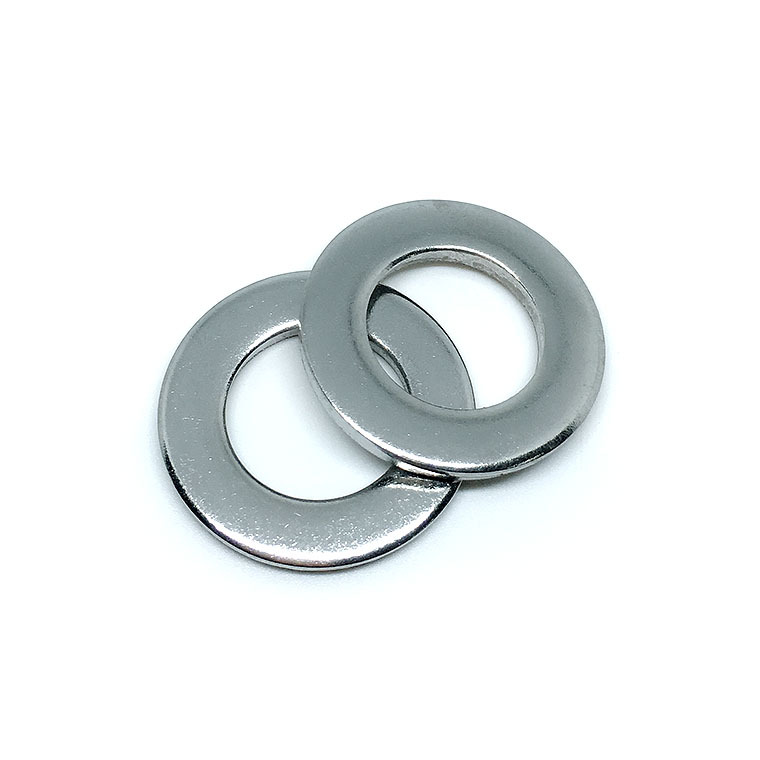
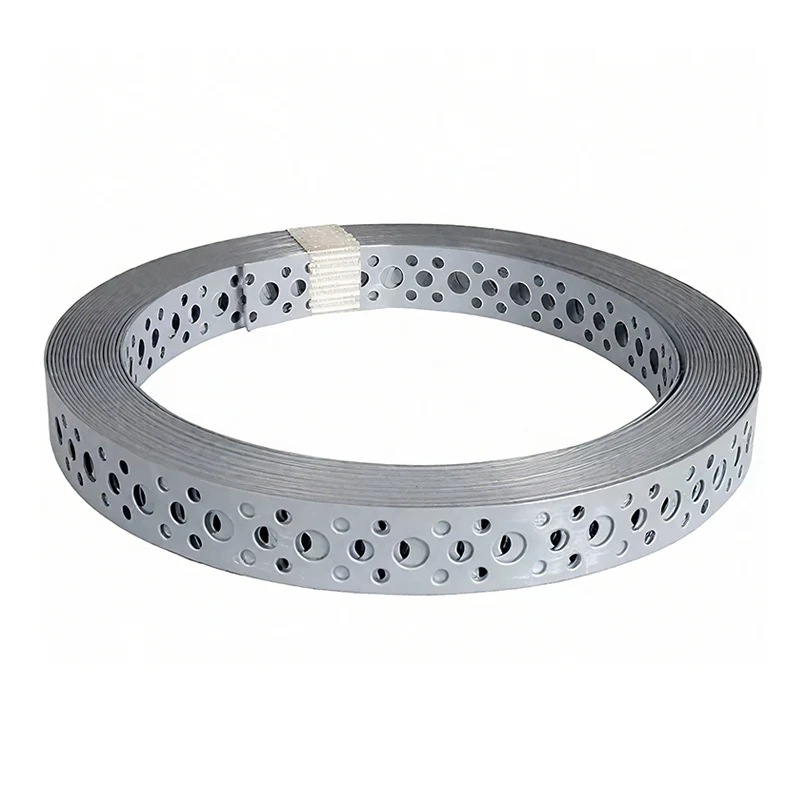
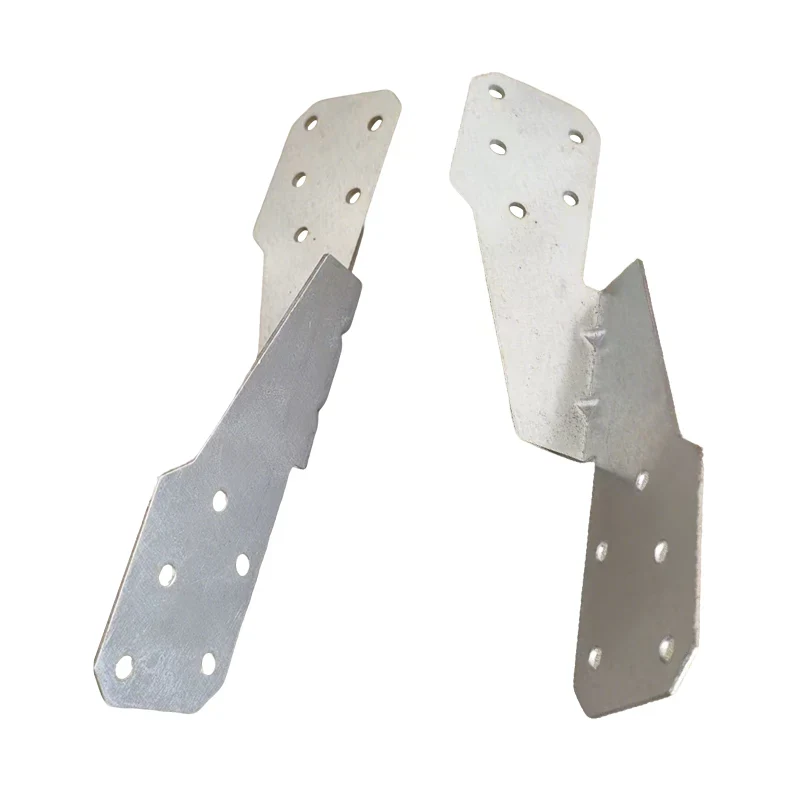
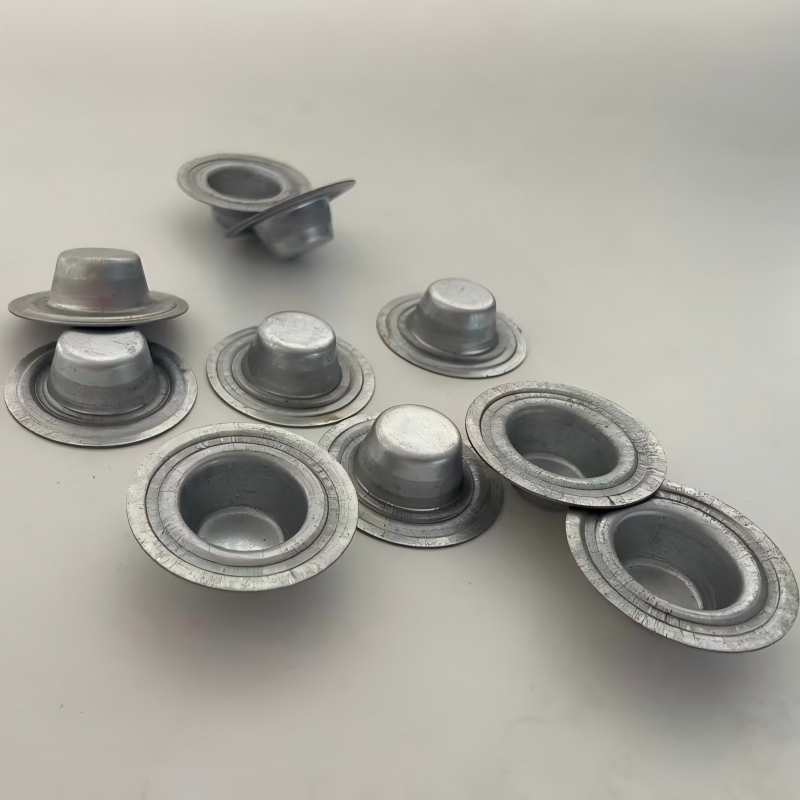
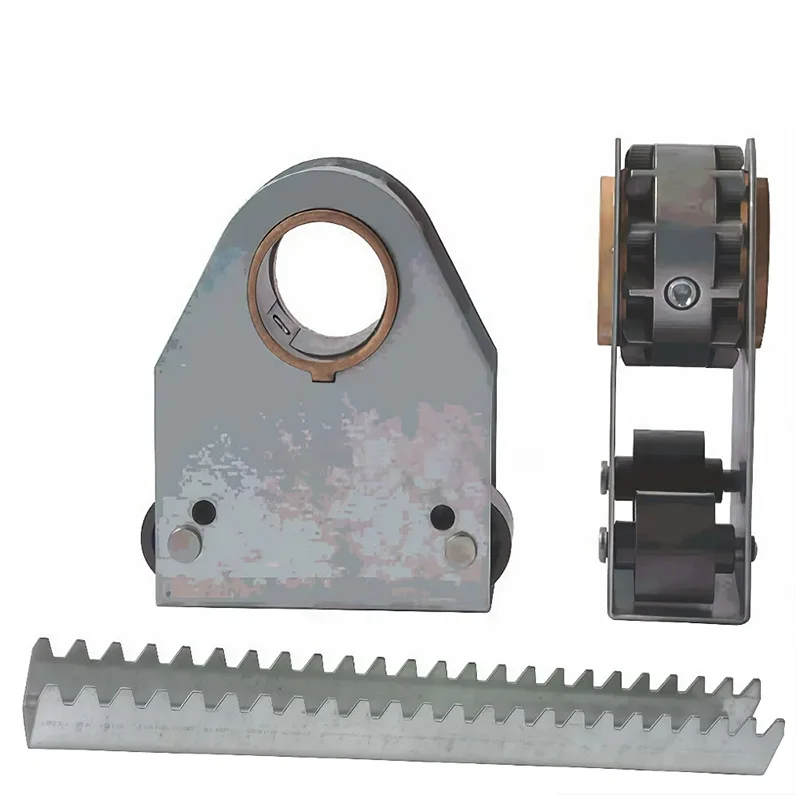
Sheet Metal Fabrication Parts are components made by cutting, bending, and assembling flat sheets of metal into functional shapes. In an industrial automation control panel, these parts form the physical structure of the panel. The most visible part is the enclosure itself, which is typically a rectangular box with a door. But the enclosure is just one of many fabricated parts. Inside, there is a mounting plate, which is a flat sheet metal panel that holds the PLC, relays, and other components. There are also internal brackets, cable ducts, and DIN rails, all of which are fabricated from sheet metal. On the exterior, there are hinges, latches, and gland plates. Each of these parts plays a specific role in the panel's function.
To understand where these parts fit, imagine the assembly process of a control panel. The fabricator starts with a flat sheet of steel or stainless steel. The sheet is cut to size, either by laser, plasma, or punching. Holes are punched or drilled for the components. The sheet is then bent into the shape of the enclosure using a press brake. The corners are welded, and the enclosure is cleaned and painted. The mounting plate is cut, drilled, and painted separately. The hinges and latches are installed. Finally, the electrical components are mounted, and the wiring is completed. Every step in this process depends on the quality of the Sheet Metal Fabrication Parts. The table below lists the common fabricated parts in a control panel and their functions.
| Part | Function | Typical Material |
| Enclosure Body | Protects internal components from environment | Cold-rolled steel, stainless steel |
| Door | Provides access to components | Cold-rolled steel, stainless steel |
| Mounting Plate | Provides a surface for mounting components | Galvanized steel, aluminum |
| Gland Plate | Allows cable entry while maintaining seal | Steel, stainless steel |
| Internal Brackets | Support components and cable management | Steel, aluminum |
| DIN Rails | Standardized mounting for relays and terminals | Steel, aluminum |
| Hinges and Latches | Allow door opening and secure closing | Steel, stainless steel, zinc alloy |
At Cangzhou Shengsen Metal Products Co., Ltd., our factory manufactures a complete range of Sheet Metal Fabrication Parts for industrial automation control panels. We produce enclosures in various sizes and configurations, along with all the internal and external components needed for a complete panel. Our engineering team works with customers to design custom parts that meet their specific requirements.
The material of a Sheet Metal Fabrication Part determines its strength, its corrosion resistance, and its ability to withstand the environment. For control panel enclosures, the most common materials are cold-rolled steel, stainless steel, aluminum, and galvanized steel. Each material has its own advantages and limitations. Cold-rolled steel is the most common choice because it is strong, easy to fabricate, and relatively inexpensive. However, it is susceptible to corrosion and must be painted or powder-coated to protect it. Stainless steel offers excellent corrosion resistance and is used in food processing, pharmaceutical, and outdoor applications. Aluminum is lightweight and offers good corrosion resistance, but it is more expensive than steel. Galvanized steel is coated with zinc to resist corrosion and is often used for mounting plates and internal components.
The choice of material depends on the environment where the panel will be installed. In a clean, climate-controlled factory, cold-rolled steel with a powder coat finish is sufficient. In a food processing plant, stainless steel is required to withstand washdown with caustic chemicals. In an outdoor installation, a stainless steel or aluminum enclosure with a high IP rating is necessary to withstand rain, snow, and UV radiation. The table below summarizes the material options and their typical applications.
| Material | Corrosion Resistance | Strength | Weight | Cost | Typical Application |
| Cold-Rolled Steel | Poor (requires coating) | High | Moderate | Low | Indoor, controlled environment |
| Stainless Steel 304 | Excellent | High | Moderate | Medium-High | Food processing, outdoor |
| Stainless Steel 316 | Excellent (marine grade) | High | Moderate | High | Chemical plants, coastal |
| Aluminum | Good | Moderate | Low | Medium-High | Weight-sensitive, outdoor |
| Galvanized Steel | Good | High | Moderate | Low-Medium | Mounting plates, internal parts |
At our factory, we maintain an inventory of all these materials and can select the optimal material for each application. We also offer a range of finishes, including powder coating, painting, and galvanizing, to further enhance the corrosion resistance and appearance of our Sheet Metal Fabrication Parts. Our engineering team can advise on the best material and finish for your specific environment.
The quality of a Sheet Metal Fabrication Part is determined not just by the material, but by the fabrication processes used to make it. The key processes are cutting, bending, welding, and finishing. Each process has its own set of parameters that must be controlled to achieve a high-quality part. Cutting is typically done by laser, plasma, or punching. Laser cutting offers the highest precision and is suitable for complex geometries. Plasma cutting is faster and less expensive but less precise. Punching is the most economical for high-volume production of simple shapes. Bending is done on a press brake, which uses a punch and die to form the metal. The bend radius, the bend angle, and the bend allowance must be carefully controlled to ensure that the part fits together correctly. Welding is used to join the corners of the enclosure and to attach brackets and other components. The weld quality affects the strength and the appearance of the part. Finishing includes deburring, cleaning, and painting or coating.
The precision of these processes directly affects the fit and function of the control panel. If the holes for the door hinges are not drilled in the correct location, the door will not close properly. If the bends are not accurate, the enclosure will not be square, and the mounting plate will not fit. If the welds are not clean, the enclosure may leak. The table below summarizes the key fabrication processes and their quality parameters.
| Process | Quality Parameters | Impact on Panel |
| Laser Cutting | Kerf width, edge quality, dimensional accuracy | Determines fit of components and door alignment |
| Punching | Hole diameter, hole position, burr height | Affects mounting of components and cable entry |
| Bending | Bend angle, bend radius, bend allowance | Determines squareness and fit of enclosure |
| Welding | Weld penetration, weld appearance, distortion | Affects strength, sealing, and appearance |
| Finishing | Surface roughness, coating thickness, adhesion | Affects corrosion resistance and appearance |
At Cangzhou Shengsen Metal Products Co., Ltd., our factory is equipped with state-of-the-art fabrication equipment, including fiber laser cutters, CNC press brakes, and robotic welding cells. We also have a comprehensive quality control system that inspects every part at each stage of production. Our goal is to deliver Sheet Metal Fabrication Parts that meet the highest standards of quality and precision.
The primary function of a control panel enclosure is to protect the sensitive electronics inside from the environment. The level of protection is defined by the ingress protection (IP) rating, which is an international standard that classifies the degree of protection against dust and water. The IP rating consists of two digits. The first digit indicates the level of protection against solid particles, and the second digit indicates the level of protection against liquids. For example, IP54 means the enclosure is protected against dust (limited ingress) and splashing water. IP65 means it is dust-tight and protected against water jets. IP66 means it is protected against powerful water jets. IP67 means it is protected against temporary immersion. IP69K means it is protected against high-pressure, high-temperature washdown.
The required IP rating depends on the environment where the panel will be installed. In a clean, indoor environment, IP54 may be sufficient. In a food processing plant where washdown is common, IP65 or IP66 is required. In an outdoor installation, IP66 or IP67 is necessary. In a pharmaceutical plant where high-pressure cleaning is used, IP69K may be required. The table below summarizes the IP ratings and their typical applications.
| IP Rating | Protection Against Solids | Protection Against Liquids | Typical Application |
| IP54 | Dust (limited ingress) | Splashing water | Indoor, controlled environment |
| IP65 | Dust-tight | Water jets | General industrial, outdoor |
| IP66 | Dust-tight | Powerful water jets | Food processing, washdown |
| IP67 | Dust-tight | Temporary immersion | Outdoor, harsh environments |
| IP69K | Dust-tight | High-pressure, high-temperature washdown | Pharmaceutical, food processing |
At our factory, we design and manufacture Sheet Metal Fabrication Parts to meet the required IP rating for each application. We use continuous welds, high-quality gaskets, and precision-machined sealing surfaces to ensure that our enclosures provide the specified level of protection. We also test our enclosures to verify their IP rating before they are shipped.
Heat is the enemy of electronic components. Every 10°C increase in operating temperature can reduce the life of a component by half. In a control panel, heat is generated by the PLC, the power supplies, the drives, and the other components. If this heat is not dissipated, the internal temperature will rise, and the components will fail prematurely. Sheet Metal Fabrication Parts play a critical role in thermal management. The enclosure itself acts as a heat sink, conducting heat from the internal components to the external environment. The surface area of the enclosure, the material, and the finish all affect its ability to dissipate heat. In some cases, additional cooling is required, such as ventilation fans, louvered vents, or air conditioners.
The design of the enclosure for thermal management involves several considerations. First, the material should have high thermal conductivity. Aluminum is better than steel in this regard. Second, the surface finish should be optimized for heat radiation. A dark, matte finish radiates heat better than a light, glossy finish. Third, the layout of the components inside the panel should allow for natural convection. Heat-generating components should be placed near the top of the panel, and cool air should be able to enter from the bottom. The table below summarizes the thermal management options for control panels.
| Cooling Method | Description | Typical Application |
| Natural Convection | Heat dissipates through enclosure surface | Low-power panels, indoor |
| Ventilation Fans | Fans circulate air through louvered vents | Medium-power panels, clean environment |
| Filter Fans | Fans with filters to remove dust | Medium-power panels, dusty environment |
| Air Conditioners | Active cooling to maintain temperature | High-power panels, hot environment |
| Heat Exchangers | Transfer heat to external air or water | Sealed panels, harsh environment |
At Cangzhou Shengsen Metal Products Co., Ltd., our factory can design and fabricate enclosures with integrated thermal management features, such as louvered vents, fan mounting holes, and air conditioner cutouts. We can also advise on the optimal cooling method for your specific application.
The key specifications for a control panel enclosure include the dimensions, the material, the thickness, the IP rating, the mounting type, and the finish. The table below provides a summary of the typical specifications for our Sheet Metal Fabrication Parts.
| Specification | Range | Notes |
| Height | 200 - 2000 mm | Custom sizes available |
| Width | 200 - 1200 mm | Custom sizes available |
| Depth | 150 - 600 mm | Custom sizes available |
| Material | Cold-rolled steel, stainless steel, aluminum, galvanized steel | Selected for environment |
| Thickness | 1.0 - 3.0 mm | Selected for strength and weight |
| IP Rating | IP54 - IP69K | Selected for environment |
| Mounting Type | Wall-mounted, floor-standing, rack-mounted | Selected for installation |
| Finish | Powder coating, painting, galvanizing | Selected for corrosion resistance |
| Standards | IEC 60529, NEMA 250, UL 508A | Compliance with international standards |
At our factory, we can manufacture Sheet Metal Fabrication Parts to meet these specifications and more. We can customize the dimensions, the material, the thickness, the IP rating, and the finish to suit your specific project requirements. Our engineering team can assist with the design and selection process.
Question 1: What is the difference between IP54 and IP65 enclosures?
Answer: IP54 enclosures are protected against dust (limited ingress) and splashing water. They are suitable for indoor, controlled environments. IP65 enclosures are dust-tight and protected against water jets. They are suitable for outdoor and general industrial environments. The choice depends on the specific environment where the panel will be installed. At Cangzhou Shengsen Metal Products Co., Ltd., we manufacture enclosures to meet both ratings and can advise on the appropriate rating for your application.
Question 2: How do I select the right material for my control panel enclosure?
Answer: The material selection depends on the environment and the required protection. Cold-rolled steel with a powder coat finish is suitable for indoor, controlled environments. Stainless steel is required for food processing, chemical plants, and outdoor installations. Aluminum is a good choice for weight-sensitive applications. Our engineering team can assist with material selection based on your specific requirements.
Question 3: Can you manufacture custom-sized enclosures?
Answer: Yes, we can manufacture custom-sized enclosures to meet your specific requirements. We can produce enclosures in any height, width, and depth within our manufacturing capabilities. We can also customize the hole patterns, the door configuration, and the mounting type. Please provide your specifications, and we will provide a quote.
Question 4: What is the lead time for custom sheet metal fabrication parts?
Answer: The lead time depends on the complexity of the part and the quantity ordered. For standard enclosures, the lead time is typically 2-3 weeks. For custom parts, the lead time is typically 4-6 weeks after drawing approval. We will provide a detailed production schedule when you place your order.
Question 5: Do you provide assembly services for control panels?
Answer: We provide fabrication services for Sheet Metal Fabrication Parts, including cutting, bending, welding, and finishing. We do not provide electrical assembly services. However, we can supply the enclosure and all the internal mounting components, and we can work with your electrical contractor to ensure that the enclosure meets their requirements.
Sheet Metal Fabrication Parts are the physical foundation of every industrial automation control panel. They provide the protection, the mounting, the sealing, and the thermal management that keep sensitive electronics operating reliably. From the enclosure body to the mounting plate to the smallest bracket, every part plays a critical role. At Cangzhou Shengsen Metal Products Co., Ltd., our factory has the expertise and the equipment to manufacture high-quality Sheet Metal Fabrication Parts for the most demanding applications. We use advanced fabrication processes, high-quality materials, and rigorous quality control to ensure that every part meets the highest standards of precision and durability.
Whether you are building a new control panel or upgrading an existing one, we invite you to contact us to discuss your requirements. We can provide custom fabrication services, technical support, and product samples. Our commitment to quality and customer satisfaction has made us a trusted partner for industrial automation projects around the world.
Contact Cangzhou Shengsen Metal Products Co., Ltd. today to discuss your Sheet Metal Fabrication Parts requirements and discover how our products can improve the reliability and performance of your industrial automation control panels.