The characteristics of Timber Connector are mainly reflected in aspects such as structural stability, seismic performance, construction convenience and environmental protection.
1. Structural stability and seismic resistance
Mortise and tenon connection:
The core connection method of traditional wooden structures, it achieves a stable connection through the precise fit of tenons and mortise holes. It has flexible and shock-resistant characteristics, can absorb external forces and disperse energy, and is suitable for traditional building restoration and high-end wooden structure furniture.
Metal connectors:
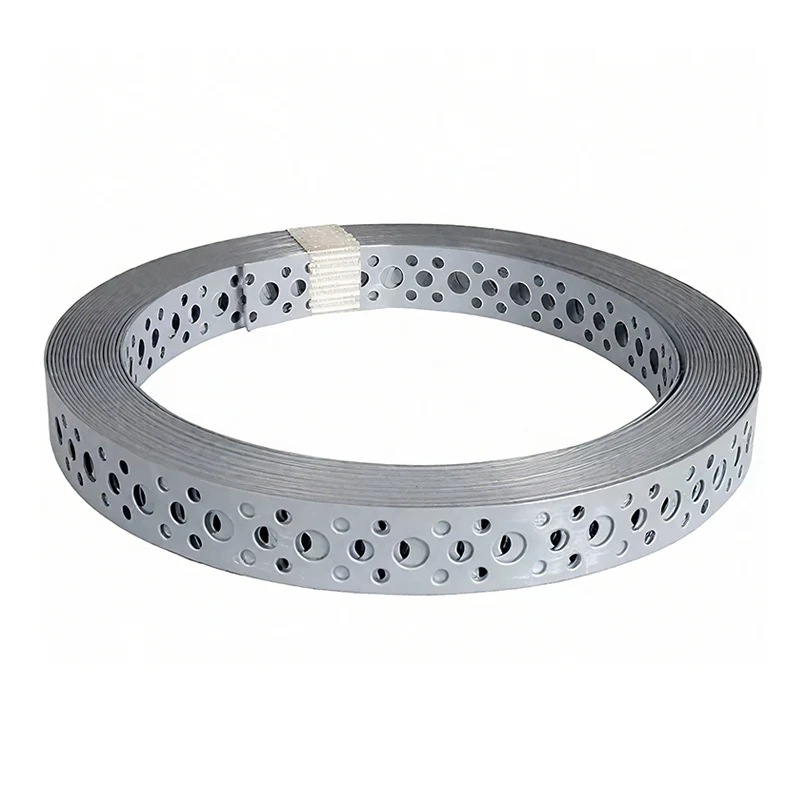
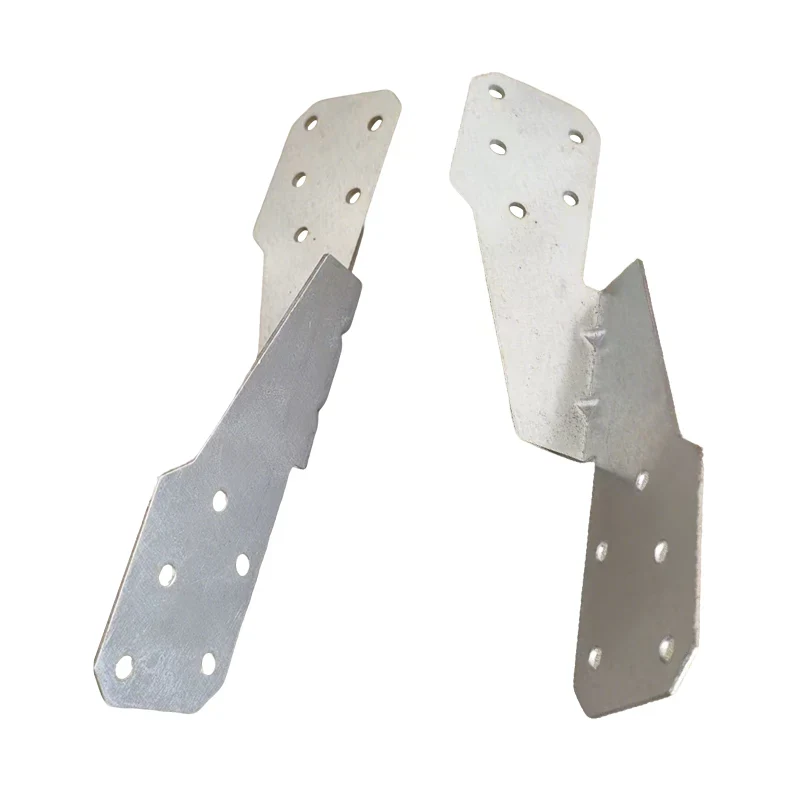
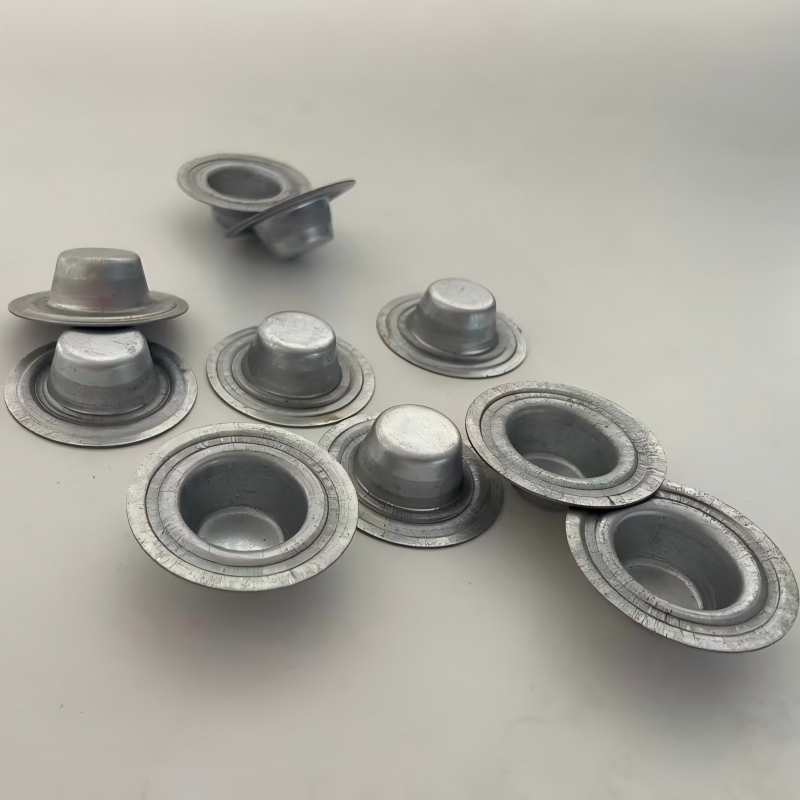
Modern wooden houses widely use metal connectors (such as tooth plates and Angle steels) to enhance structural strength through mechanical interlocking, especially suitable for light wooden truss systems.
2. Adapt to wood deformation
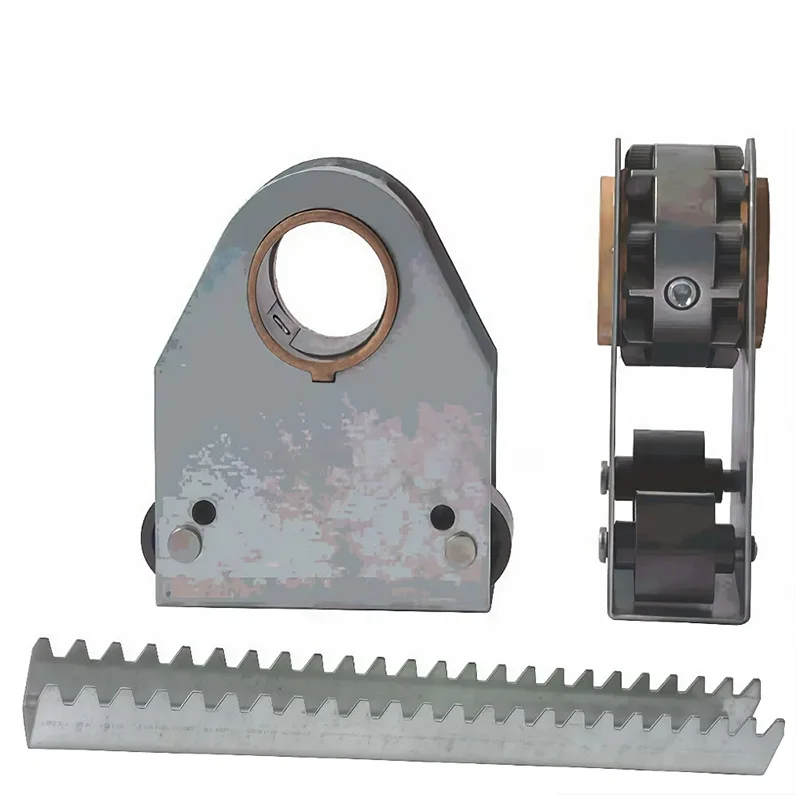
Buffered connectors: Through the guide rail and slider system (including springs), they buffer the expansion or contraction of wood caused by humidity changes, prevent the wooden wall from arching or cracking, and enhance the sealing performance and service life.
3. Construction convenience and environmental friendliness
The connecting parts of log cabins mostly adopt mortise and tenon joints, nail joints and other techniques that do not require metal materials. The construction period is short, it is suitable for low-temperature environments, and it causes no pollution to the environment. The structural components can be disassembled and reused, which is in line with the concept of green buildings.
4. Material and Process Requirements
Mortise and tenon joints have extremely high requirements for wood material and processing accuracy, and need to be operated by experienced craftsmen, which limits their large-scale industrial application.Metal connecting parts need anti-rust treatment, but they can maintain structural stability for a long time.