For engineers and manufacturers working with aluminum Sheet Metal Fabrication Parts, the choice of surface treatment is a critical decision that affects the performance, durability, and appearance of the final product. Raw aluminum, while offering excellent strength-to-weight ratio and corrosion resistance, is relatively soft and susceptible to scratching, wear, and environmental degradation. The natural oxide layer that forms on aluminum is only a few nanometers thick and provides limited protection. To enhance the performance of Sheet Metal Fabrication Parts, a surface treatment is typically required. Among the available options—painting, powder coating, plating, and chemical conversion coatings—anodizing has emerged as the preferred choice for a vast range of applications.
The preference for anodizing on Sheet Metal Fabrication Parts is driven by the unique characteristics of the process. Anodizing is an electrochemical treatment that converts the surface of the aluminum part into a thick, durable, and corrosion-resistant aluminum oxide layer. This layer is integral to the metal—it grows from the surface rather than being applied to it. This means that an anodized finish on Sheet Metal Fabrication Parts will not peel, chip, or flake like paint or powder coating. The anodized layer can be engineered to provide specific properties, including enhanced wear resistance, electrical insulation, and a decorative finish in a range of colors. This article provides a detailed technical analysis of the anodizing process, its benefits for Sheet Metal Fabrication Parts, and the key specifications that define its performance. For anyone involved in the specification, design, or procurement of aluminum Sheet Metal Fabrication Parts, understanding anodizing is essential for achieving optimal part performance and cost-effectiveness.
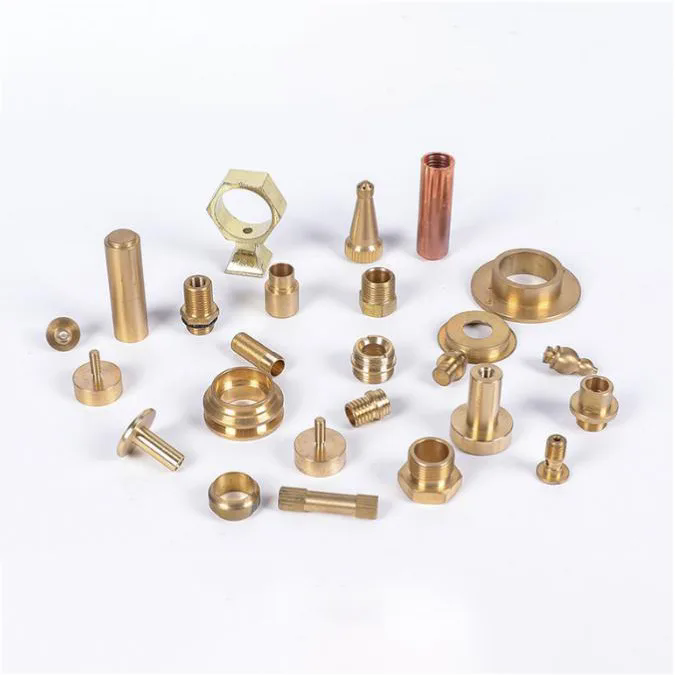
Anodizing is an electrochemical process that converts the surface of aluminum Sheet Metal Fabrication Parts into a durable, corrosion-resistant, anodic oxide finish. The term "anodizing" comes from the fact that the aluminum part to be treated serves as the anode in an electrolytic circuit. The part is submerged in an electrolyte bath—typically a solution of sulfuric acid—and an electric current is passed through the circuit. This causes oxygen ions to be released at the surface of the aluminum, forming a layer of aluminum oxide (Al₂O₃). This oxide layer is grown from the aluminum substrate, making it integral to the Sheet Metal Fabrication Part. It will not peel, flake, or chip, unlike organic coatings such as paint or powder coating.
For Sheet Metal Fabrication Parts, the anodizing process is typically performed after all forming, welding, and machining operations are complete. The process does not significantly affect the dimensions of the part, as the oxide layer grows both into and out of the surface, with the growth split approximately equally between the two directions. The final thickness of the anodized layer is typically 5 to 25 micrometers for standard anodizing, and can be up to 50 micrometers or more for hard anodizing. The anodizing process consists of the following key steps:
At Cangzhou Shengsen Metal Products Co., Ltd., we anodize a wide range of Sheet Metal Fabrication Parts, from small electronic housings to large architectural panels. Our anodizing lines are equipped with automated process control systems that ensure consistent quality and repeatability. The anodizing process is carefully monitored and controlled to achieve the required specifications, from the thickness of the oxide layer to the color and appearance of the final finish. The anodizing of Sheet Metal Fabrication Parts is a critical step in ensuring the long-term performance and reliability of the final product.
Corrosion resistance is the primary reason why anodizing is the preferred finish for aluminum Sheet Metal Fabrication Parts in demanding environments. Aluminum is naturally corrosion-resistant due to the thin, self-healing oxide layer that forms on its surface. However, this natural oxide layer is only 2-3 nanometers thick and can be easily damaged, especially in industrial or marine environments. Anodizing artificially thickens this oxide layer by a factor of 100 to 200, providing a significantly higher level of protection against corrosion. For Sheet Metal Fabrication Parts used in outdoor, marine, or chemical environments, anodizing is often essential for achieving the required service life.
The corrosion resistance of anodized Sheet Metal Fabrication Parts is quantified by their performance in salt spray testing (ASTM B117). The test results are a function of the anodizing type and the sealing method. The following table provides a comparison of the corrosion resistance of different anodizing finishes commonly applied to Sheet Metal Fabrication Parts.
| Anodizing Type | Oxide Thickness | Sealing Type | Salt Spray Hours (ASTM B117) | Typical Application for Sheet Metal Parts |
| Chromic Acid Anodizing | 2-5 µm | None | 150-200 hours | Aerospace, paint base |
| Sulfuric Acid Anodizing (Standard) | 10-15 µm | Hot Water Seal | 500-1,000 hours | General industrial, electronics |
| Sulfuric Acid Anodizing (Standard) | 15-20 µm | Nickel Acetate Seal | 1,000-2,000 hours | Architectural, automotive exterior |
| Hard Anodizing (Type III) | 25-50 µm | Hot Water or Nickel Acetate | 2,000-5,000+ hours | Heavy-duty industrial, hydraulic |
The sealing process is critical for achieving the full corrosion resistance potential of anodized Sheet Metal Fabrication Parts. The pores in the anodic oxide layer are sealed to close them and provide a smooth, non-porous surface. There are several sealing methods, including hot water sealing, cold sealing (nickel acetate), and dichromate sealing. Hot water sealing is the most common and environmentally friendly method, while nickel acetate sealing provides the highest level of corrosion resistance. At Cangzhou Shengsen Metal Products Co., Ltd., we use a combination of hot water and nickel acetate sealing to ensure the maximum corrosion resistance for our customers' Sheet Metal Fabrication Parts. The anodized layer also provides excellent resistance to UV radiation, making it suitable for outdoor applications, where Sheet Metal Fabrication Parts are exposed to sunlight for extended periods.
Beyond corrosion resistance, anodizing significantly enhances the wear resistance and surface hardness of aluminum Sheet Metal Fabrication Parts. The anodic oxide layer is composed of aluminum oxide (Al₂O₃), which is a very hard ceramic material. The hardness of the anodized layer is typically 300-500 HV (Vickers hardness), compared to 60-100 HV for untreated aluminum. This increase in hardness is dramatic, approaching the hardness of some tool steels. For Sheet Metal Fabrication Parts that are subject to sliding contact, abrasion, or repeated handling, this increased hardness translates directly into excellent resistance to scratching, wear, and damage. In applications where parts are subjected to sliding contact, or where they must withstand abrasive particles, anodizing is essential for ensuring long service life.
Hard anodizing, also known as Type III anodizing, is a specialized anodizing process that produces a thicker, harder oxide layer specifically for Sheet Metal Fabrication Parts that require maximum wear resistance. The process is similar to standard anodizing but uses a lower electrolyte temperature and a higher current density to achieve a denser, harder oxide layer. The hardness of hard anodized coatings can exceed 600 HV, providing exceptional wear resistance. Hard anodized Sheet Metal Fabrication Parts are used in hydraulic cylinders, pneumatic actuators, and other applications where high wear resistance is required. The wear resistance of anodized Sheet Metal Fabrication Parts is often tested using a Taber Abrasion test or a sand-falling abrasion test.
The following table compares the mechanical properties of different anodized finishes for Sheet Metal Fabrication Parts.
| Property | Untreated Aluminum | Standard Anodized (Type II) | Hard Anodized (Type III) |
| Surface Hardness (HV) | 60-100 | 300-450 | 450-650+ |
| Abrasion Resistance (Taber) | Poor | Good | Excellent |
| Scratch Resistance | Poor | Good | Excellent |
| Coating Thickness | N/A | 5-20 µm | 25-75 µm |
| Typical Applications for Sheet Metal Parts | Non-critical parts | General engineering, enclosures | High-wear industrial components |
The improved wear resistance of anodized Sheet Metal Fabrication Parts has a direct impact on maintenance costs and component life. In a typical industrial application, an anodized part may last 10 times longer than an untreated part in an abrasive environment. This extended service life translates to significant cost savings over the life of the equipment. In addition to the wear resistance, the anodized layer also provides electrical insulation, with a dielectric strength of up to 800V for standard anodizing and up to 1,200V for hard anodizing. This electrical insulation property is valuable for Sheet Metal Fabrication Parts used in electronic housings and electrical applications.
In addition to its functional benefits, anodizing is highly valued for its aesthetic qualities, particularly for Sheet Metal Fabrication Parts used in consumer-facing applications. The anodized surface can be produced in a wide range of colors, from clear and natural metallic finishes to a broad spectrum of decorative colors. The color is achieved by dyeing the porous oxide layer before sealing. The dye is absorbed into the pores, and the color is locked in by the sealing process. This method of coloring is superior to paints and other coatings because the color is an integral part of the oxide layer and will not peel or flake. For Sheet Metal Fabrication Parts that are visible to the end-user, this durability and appearance are critical.
The aesthetic appeal of anodized Sheet Metal Fabrication Parts is also enhanced by the metallic appearance of the aluminum substrate. The anodizing process does not hide the natural metallic luster of aluminum; instead, it enhances it. The anodized surface can be left with a clear, natural finish that highlights the metallic appearance of the aluminum. This "clear anodized" finish is a classic look for architectural and consumer products. The surface can also be given a satin, matte, or gloss finish by adjusting the pre-treatment and anodizing parameters. The ability to produce a range of finishes and colors makes anodizing a highly versatile decorative finish for Sheet Metal Fabrication Parts.
The following table provides a comparison of the appearance, color range, and durability of anodized finishes commonly applied to Sheet Metal Fabrication Parts.
| Finish Type | Appearance | Color Range | Durability | Typical Sheet Metal Applications |
| Clear Anodized | Natural metallic luster | N/A (clear) | High, corrosion resistance | Architectural, enclosures, trim |
| Dyed Anodized | Full spectrum of colors | Wide range | High, UV resistant (if properly sealed) | Consumer products, electronics |
| Two-Step Electrolytic Coloring | Metallic colors (bronze, gold, black) | Limited metallic range | Very high, excellent UV resistance | Architectural facades, automotive |
The architectural and consumer products industries are major users of colored anodized Sheet Metal Fabrication Parts. Building facades, window frames, curtain walls, and interior fixtures often use anodized aluminum for its durability and aesthetic appeal. The automotive industry uses anodized aluminum for trim, interior components, and decorative parts. The consumer electronics industry uses anodized aluminum for the housings of smartphones, laptops, and other devices. The anodized finish provides a premium look and feel that is associated with quality and durability. At S-SEN, we offer a wide range of color options for our anodized Sheet Metal Fabrication Parts, and we can match custom color requirements.
The anodizing of Sheet Metal Fabrication Parts is governed by several key specifications that define the finish's properties. The most important specifications are the anodizing type, the coating thickness, the sealing method, and the color. The anodizing type is defined by the anodizing process and the resulting oxide layer characteristics. The most common anodizing types for Sheet Metal Fabrication Parts are:
The coating thickness is a key parameter that determines the anodized layer's performance. The thickness is measured in micrometers (µm) and is controlled by the anodizing process duration and current density. The sealing method is also critical for achieving the desired corrosion resistance and appearance. The most common sealing methods are:
The color of the anodized finish is defined by the dye used. For clear anodizing, no dye is used. For colored anodizing, the parts are dyed after anodizing and before sealing. The color is specified by a color code or by a physical sample.
The following table provides a summary of the key anodizing specifications for Sheet Metal Fabrication Parts, based on the MIL-A-8625 standard.
| Specification | Type I (Chromic Acid) | Type II (Sulfuric Acid) | Type III (Hard Anodizing) |
| Coating Thickness | 2-5 µm | 5-25 µm | 25-75 µm |
| Typical Hardness (HV) | 150-250 | 300-450 | 450-650+ |
| Corrosion Resistance (Salt Spray) | 150-200 hours | 500-2,000 hours | 2,000-5,000+ hours |
| Color Capability | Limited | Wide range | Limited (typically black) |
| Typical Applications for Sheet Metal Parts | Aerospace, paint base | General engineering, decorative enclosures | High-wear, high-stress industrial components |
At Cangzhou Shengsen Metal Products Co., Ltd., we adhere to these specifications to ensure that our anodized Sheet Metal Fabrication Parts meet the highest standards of quality and performance. We offer a range of anodizing services, including Type II and Type III anodizing, with various sealing options and a wide selection of colors. Our quality control process includes thickness measurement, hardness testing, and salt spray testing to verify that the anodized finish meets the required specifications. This ensures that every Sheet Metal Fabrication Part we produce meets the demanding requirements of our customers.
Question 1: Can all aluminum Sheet Metal Fabrication Parts be anodized?
Answer: No, not all aluminum Sheet Metal Fabrication Parts can be anodized to the same quality. The anodizing process is most effective on alloys with a high aluminum content, such as the 5xxx, 6xxx, and 7xxx series. Alloys with high levels of silicon or copper can be difficult to anodize and may produce a gray or non-uniform finish. The best results are achieved with high-purity aluminum alloys. At Cangzhou Shengsen Metal Products Co., Ltd., we can advise on the best alloy for your specific Sheet Metal Fabrication Parts and anodizing requirements.
Question 2: How does anodizing compare to powder coating for Sheet Metal Fabrication Parts?
Answer: Anodizing and powder coating are both surface treatments for Sheet Metal Fabrication Parts, but they are fundamentally different. Anodizing is an electrochemical process that converts the surface of the aluminum into a durable oxide layer, which is integral to the metal. Powder coating is the application of a dry powder to the surface, which is then cured to form a film. Anodizing provides superior adhesion, corrosion resistance, and wear resistance. Powder coating provides a thicker coating and a wider range of colors and textures. The best choice depends on the application. For high-wear or high-corrosion applications, anodizing is often the better choice. For aesthetic or thick coating applications, powder coating is often preferred.
Question 3: Can anodized Sheet Metal Fabrication Parts be welded after anodizing?
Answer: Welding anodized Sheet Metal Fabrication Parts is not recommended. The anodized layer is non-conductive, which makes welding difficult. The heat from welding will also burn and damage the anodized finish. If welding is required, it should be done before the anodizing process. The anodizing will then be applied to the welded assembly, providing a uniform finish. At Cangzhou Shengsen Metal Products Co., Ltd., we recommend sequencing operations to avoid welding after anodizing.
Question 4: What is the typical color fade or UV resistance of anodized Sheet Metal Fabrication Parts?
Answer: The UV resistance of anodized Sheet Metal Fabrication Parts depends on the type of dye used and the sealing method. Dyes with a high lightfastness rating are recommended for outdoor applications. Two-step electrolytic coloring processes produce metallic colors that are highly UV resistant and will not fade. Properly sealed anodized aluminum is highly resistant to UV degradation and will not yellow or chalk, unlike organic coatings. For long-term outdoor exposure of Sheet Metal Fabrication Parts, we recommend using a bronze, gold, or black electrolytic color, which has the best UV resistance.
Question 5: How is the thickness of the anodized layer measured on Sheet Metal Fabrication Parts?
Answer: The thickness of the anodized layer on Sheet Metal Fabrication Parts is measured using an eddy current or a magnetic induction thickness gauge. The gauge measures the distance between the probe and the aluminum substrate. The measurement is typically taken at several locations on the part to ensure uniformity. The thickness is expressed in micrometers (µm). The measurement is conducted according to ASTM B244 standards. Our factory uses calibrated thickness gauges to ensure that every anodized Sheet Metal Fabrication Part meets the specified thickness requirements.
Anodizing is the preferred surface treatment for aluminum Sheet Metal Fabrication Parts for a combination of compelling reasons. The anodized layer provides excellent corrosion resistance, significantly extending the service life of the fabricated parts. The layer is also hard, durable, and wear-resistant, protecting the Sheet Metal Fabrication Parts from abrasion and scratching. Anodizing provides an aesthetic finish that is available in a wide range of colors, enhancing the appearance of the product. The anodized layer is integral to the aluminum, meaning it will not peel, chip, or flake. It is also a sustainable process, as the anodized aluminum is fully recyclable and the process uses non-toxic chemicals.
For engineers and product designers, the choice of anodizing is a decision that affects the performance, durability, and appearance of their Sheet Metal Fabrication Parts. By understanding the anodizing process, its benefits, and the key specifications, they can make informed decisions to ensure that their Sheet Metal Fabrication Parts meet the highest standards of quality and performance. At Cangzhou Shengsen Metal Products Co., Ltd., we are committed to providing the highest quality anodizing services, backed by our technical expertise, state-of-the-art equipment, and a commitment to customer satisfaction. We offer a range of anodizing services, including Type II and Type III, with various sealing options and a wide selection of colors.
Contact Cangzhou Shengsen Metal Products Co., Ltd. today to discuss your anodizing requirements for sheet metal fabrication parts.