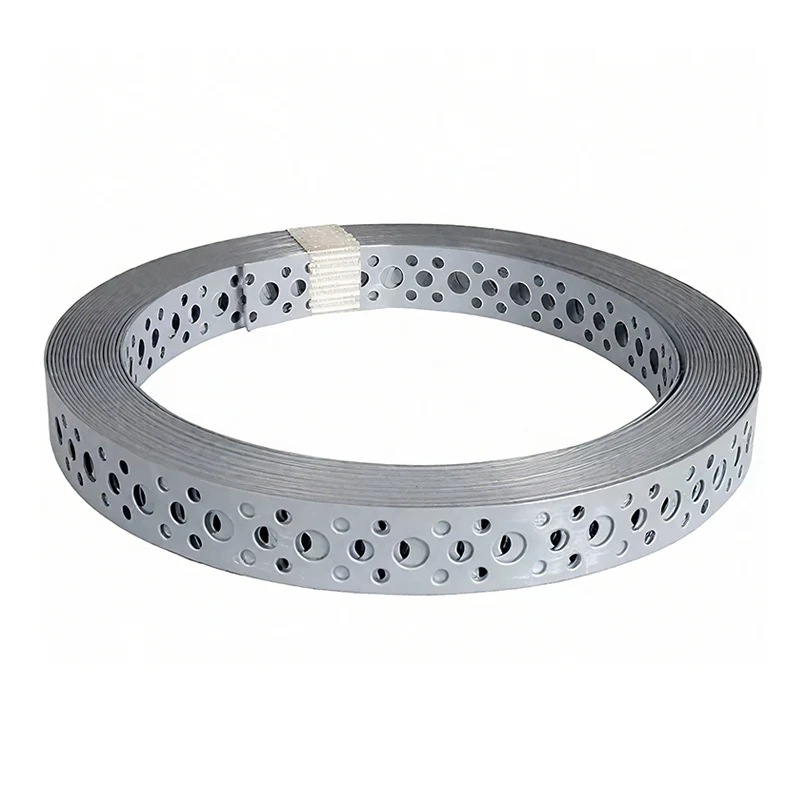
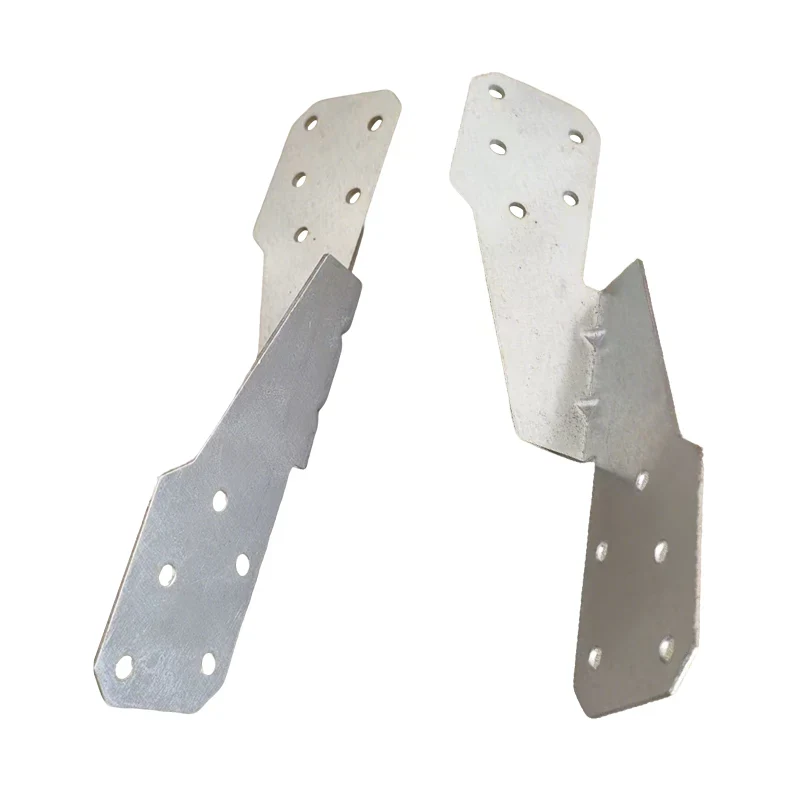
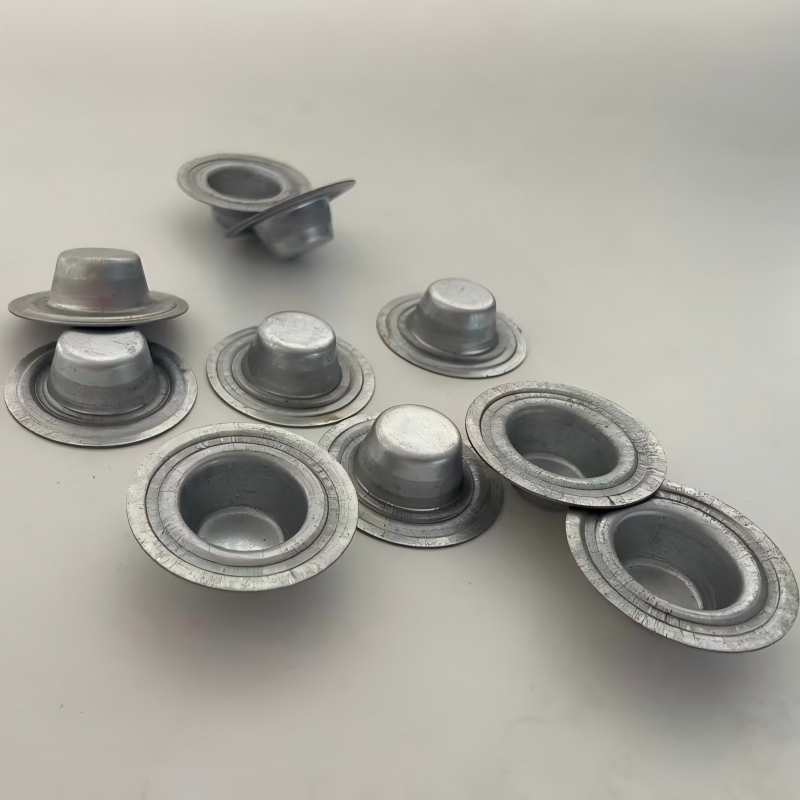
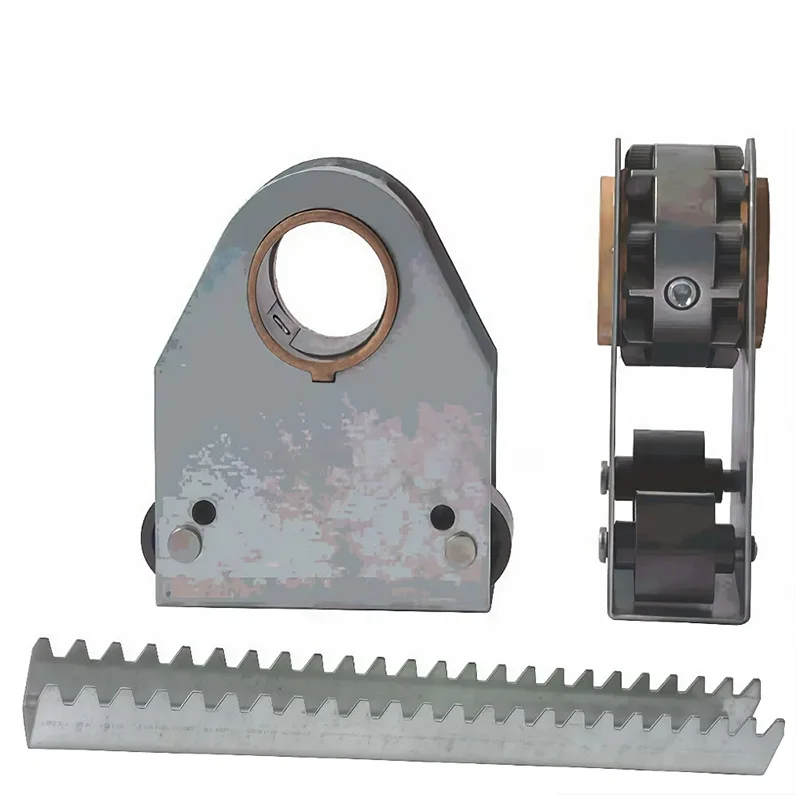
Deep beneath the North Sea, a subsea oil production system operates under immense pressure and corrosive seawater. Thousands of meters above, an aircraft's landing gear mechanism must deploy with absolute certainty. In a hospital operating theater, a surgical robot's precision arms rely on components that cannot fail. What do these critical applications have in common? They all depend on the reliability of Sheet Metal Fabrication Parts. A single failed bracket, a cracked enclosure, or a misaligned chassis can cause catastrophic consequences—environmental disasters, loss of life, or millions of dollars in downtime. Yet, sheet metal components are often overlooked as simple, low-tech parts. This perception is dangerously wrong.
Reliability in Sheet Metal Fabrication Parts is not a happy accident. It is the result of deliberate engineering: careful material selection, precision manufacturing processes, rigorous quality control, and thoughtful design for manufacturability. At Cangzhou Shengsen Metal Products Co., Ltd., we have spent decades honing the art and science of producing Sheet Metal Fabrication Parts that perform flawlessly in the most demanding environments. This article explores the key factors that contribute to the reliability of Sheet Metal Fabrication Parts in critical applications. From understanding material properties to implementing advanced quality assurance systems, we will dissect the engineering principles that ensure your sheet metal parts will perform when they must.
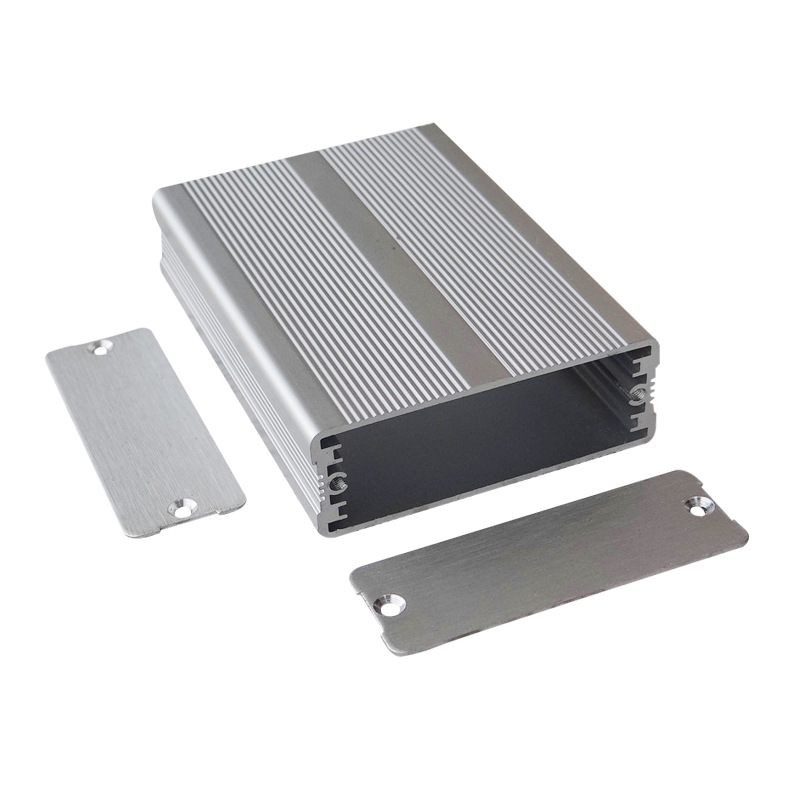
Sheet metal fabrication is a manufacturing process that transforms flat sheets of metal into three-dimensional components through a combination of cutting, bending, forming, and joining processes. This versatile manufacturing method is used to produce a vast array of products, from simple brackets and enclosures to complex chassis and structural frames. In critical applications, the reliability of Sheet Metal Fabrication Parts is paramount because these components often serve as structural elements, enclosures, or mounting systems for sensitive equipment. A failure in a sheet metal component can lead to equipment malfunction, safety hazards, and costly downtime.
The demand for reliable Sheet Metal Fabrication Parts is growing as industries such as aerospace, medical devices, defense, and renewable energy require components that can withstand extreme conditions. In aerospace, for example, structural brackets must survive high vibration and extreme temperature fluctuations. In medical devices, enclosures must provide electromagnetic shielding and robust protection. In defense, housings must withstand shock and environmental stress. The common thread is the need for predictable, repeatable performance—a hallmark of a well-engineered and manufactured part.
The consequences of unreliable Sheet Metal Fabrication Parts are significant. In a manufacturing environment, a poorly fabricated bracket can cause misalignment, leading to product defects or machine damage. In a field application, a cracked enclosure can allow moisture and contaminants to damage sensitive electronics. At Cangzhou Shengsen Metal Products Co., Ltd., we understand these stakes. Our sheet metal fabrication capabilities are built around a philosophy of precision, consistency, and rigorous quality control. From the selection of raw materials to the final inspection, every step of our process is designed to ensure that every Sheet Metal Fabrication Part we produce is of the highest possible quality.
The foundation of any reliable Sheet Metal Fabrication Part is the material from which it is made. The wrong material can lead to premature failure, corrosion, or structural weakness. The selection process must consider several factors, including mechanical properties, corrosion resistance, formability, and weldability. A thorough material selection process is not simply choosing the cheapest option; it is about selecting the optimal material for the specific application and its operating conditions. For a reliable sheet metal part, the material must be able to withstand the expected loads, temperatures, and environmental conditions over the product's intended lifespan.
For example, a Sheet Metal Fabrication Part used in a marine environment must be resistant to corrosion from saltwater. Stainless steel (such as 316L) is often chosen for its excellent corrosion resistance. A part used in a high-temperature furnace may require a heat-resistant alloy such as Inconel or titanium. A part used in a structural application may require high-strength steel. At Cangzhou Shengsen Metal Products Co., Ltd., we offer a wide range of materials, including various grades of steel, stainless steel, aluminum, copper, and specialty alloys. The following table provides an overview of the key material properties that influence reliability.
| Material | Key Properties | Applications | Reliability Factors |
| Carbon Steel | High strength, good formability, low cost | Structural brackets, machine frames | Requires corrosion protection; suitable for indoor use |
| Stainless Steel (304) | Good corrosion resistance, strong and durable | Enclosures, chemical processing equipment | Excellent resistance to many chemicals; suitable for food processing |
| Stainless Steel (316L) | Superior corrosion resistance, especially to chlorides | Marine applications, chemical processing | Excellent resistance to saltwater and acidic environments |
| Aluminum (6061) | Lightweight, good corrosion resistance, good formability | Aerospace, electronics enclosures, automotive | Weight reduction, good electrical conductivity |
| Aluminum (5052) | Excellent formability, good corrosion resistance | Complex shapes, fuel tanks, marine parts | Superior formability for intricate parts |
| Copper | Excellent electrical and thermal conductivity | Electrical bus bars, heat sinks, RF shielding | Excellent conductivity; requires careful handling |
Beyond the material's inherent properties, the source of the material matters. Using certified, traceable material from a reputable supplier is essential for guaranteeing consistency. At our factory, we source materials from trusted suppliers and maintain strict incoming quality control to ensure that each sheet of metal meets the required specifications. We also offer custom material selection services to help our customers choose the optimal material for their specific applications.
The manufacturing processes used to produce Sheet Metal Fabrication Parts have a direct impact on the final product's quality and reliability. The key processes include laser cutting, punching, bending, welding, and finishing. Each process must be carefully controlled to ensure the part meets the required specifications and tolerances. Precision manufacturing is essential for achieving the tight tolerances required in critical applications.
Laser cutting is a high-precision process that uses a focused laser beam to cut the sheet metal. This process offers excellent accuracy, with tolerances as tight as +/- 0.1 mm. It also produces a clean edge with minimal burrs, reducing the need for secondary operations. At Cangzhou Shengsen Metal Products Co., Ltd., we use high-power fiber lasers to cut a wide range of materials with exceptional accuracy. Our laser cutting capabilities allow us to produce complex geometries with high precision, ensuring that each part fits perfectly in its final assembly.
CNC punching is another versatile process that uses a series of punches and dies to create holes and cut-outs in the sheet metal. It is a highly efficient process for high-volume production. However, laser cutting offers greater flexibility and is generally preferred for complex shapes and small batches. The choice of process depends on the part's design and production volume.
Bending is the process of forming the sheet metal into the desired shape. This process is typically performed using a press brake, which applies force to bend the metal along a straight line. The accuracy of the bending process is critical for ensuring the part's final dimensions. Factors such as material thickness, bend radius, and tooling all affect the final result. A properly designed and executed bending operation ensures that the part has the correct angles and dimensions, reducing the risk of assembly issues or structural weaknesses.
Welding is a joining process that fuses two or more metal parts together. In sheet metal fabrication, welding is used to create assemblies from multiple components. The welding process must be carefully controlled to ensure a strong, consistent weld that does not introduce defects such as porosity or cracking. Our factory uses a variety of welding techniques, including MIG, TIG, and laser welding, depending on the material and application.
Finally, finishing processes—such as deburring, grinding, and coating—are essential for achieving the desired surface quality and corrosion protection. A well-executed finishing process removes sharp edges, improves aesthetics, and extends the life of the part. The table below summarizes the key manufacturing processes and their impact on reliability.
| Process | Description | Impact on Reliability | Key Quality Factors |
| Laser Cutting | High-precision cutting using focused laser beam | Ensures tight tolerances and clean edges | Laser power, speed, focus |
| CNC Punching | Punching holes and cut-outs using dies | High consistency in high-volume production | Tooling condition, punch speed |
| Bending | Forming sheet metal using press brake | Ensures correct angles and dimensions | Bend allowance, tooling, material thickness |
| Welding | Joining components through fusion | Creates strong, durable joints | Welding parameters, material compatibility |
| Finishing | Deburring, coating, grinding | Improves aesthetics, corrosion resistance | Surface preparation, coating thickness |
Reliability begins at the drawing board. A well-designed Sheet Metal Fabrication Part is one that is not only functional but also easy to manufacture. Design for Manufacturing (DFM) is a set of principles that guides the design process to ensure that the part can be manufactured efficiently and consistently. A part that is not designed with manufacturing in mind is more likely to be produced with defects, leading to reliability issues. DFM principles are particularly important for critical applications where consistency is paramount.
One key DFM principle is the use of standard materials and thicknesses. By selecting a commonly available material and thickness, the manufacturing process is simplified, reducing the risk of sourcing issues or process variations. A second principle is to avoid sharp corners, which can create stress concentrations. Stress concentrations are points where the stress in the material is higher than the average stress, making the part more susceptible to cracking or fatigue failure. A third principle is to maintain a consistent bend radius. A consistent bend radius ensures that the part's geometry is predictable and that the material is not over-stressed during the bending process.
A comprehensive DFM analysis also considers the manufacturing tolerances required for the part. Tolerances are the allowable variation in the part's dimensions. A part with tight tolerances requires more precise manufacturing and may be more expensive to produce. The design should only specify tight tolerances where they are essential for the part's function. For non-critical dimensions, wider tolerances can be used to reduce manufacturing costs. Our factory's engineering team can assist customers with DFM reviews, identifying potential issues and optimizing the part's design for manufacturability. This collaborative approach ensures that the final product is not only reliable but also cost-effective to manufacture.
A well-executed DFM process also anticipates potential issues, such as material springback in bending operations. Springback occurs when the metal "springs back" after being bent, slightly changing the angle. The die geometry must be designed to compensate for this springback. Similarly, the design should account for the inherent tolerances of the welding and finishing processes. A DFM review helps to ensure that the part can be manufactured reliably, and that the final product will meet its quality and performance requirements.
The following table illustrates how DFM principles contribute to Sheet Metal Fabrication Parts reliability.
| DFM Principle | Description | Impact on Reliability |
| Use Standard Materials | Select commonly available materials | Reduces sourcing risks and process variations |
| Avoid Sharp Corners | Use radii instead of sharp corners | Reduces stress concentrations, prevents cracking |
| Consistent Bend Radius | Maintain a uniform bend radius | Ensures predictable geometry, reduces stress |
| Specify Appropriate Tolerances | Only use tight tolerances where necessary | Reduces manufacturing cost and complexity |
| Consider Springback | Compensate for springback in bending | Ensures accurate final dimensions |
Reliability is not a one-time achievement; it is a continuous process. To ensure that every Sheet Metal Fabrication Part leaving the factory meets the required quality standards, a comprehensive quality control system is essential. This system must cover all aspects of production, from incoming material inspection to final assembly and packaging. The quality control system should be based on a clear understanding of the customer's requirements and the critical quality attributes of the product.
The quality control process begins with the inspection of incoming raw materials. Each shipment of sheet metal is inspected for thickness, flatness, and surface quality. The material certificates are verified to ensure that the material meets the required specifications. This step is crucial, as defects in the raw material can lead to problems in subsequent processing steps. During the manufacturing process, parts are checked at key stages. For example, after laser cutting, parts are inspected for accuracy and edge quality. After bending, parts are measured to ensure they meet the required angle and dimension tolerances. After welding, welds are inspected for quality and integrity.
Inspection methods vary depending on the part and the criticality of the application. For high-volume production, statistical process control (SPC) is often used to monitor the process. This involves taking random samples from the production line and measuring key characteristics. The results are plotted on a control chart, allowing the operator to see if the process is drifting out of control. For critical applications, 100% inspection may be required. This involves inspecting every single part, often with automated inspection equipment. At Cangzhou Shengsen Metal Products Co., Ltd., we use a combination of SPC and 100% inspection to ensure the highest level of quality.
In addition to dimensional inspection, the quality control system may also include non-destructive testing (NDT) methods. NDT methods, such as dye penetrant inspection and magnetic particle inspection, are used to detect surface cracks and other defects that may not be visible to the naked eye. These methods are particularly important for critical applications where a defect could lead to catastrophic failure.
The table below outlines the key elements of a comprehensive quality control system.
| Quality Control Element | Description | Benefit |
| Incoming Material Inspection | Verification of material properties and dimensions | Ensures quality of raw material |
| In-Process Inspection | Checking parts at key stages of production | Catches defects early in the process |
| Statistical Process Control (SPC) | Monitoring process performance | Prevents process drift and reduces variation |
| 100% Inspection | Inspection of every part | Ensures zero defects for critical parts |
| Non-Destructive Testing (NDT) | Detection of defects using advanced methods | Identifies hidden defects that could cause failure |
| Traceability | Recording of production data | Enables defect tracking and process improvement |
Choosing the right supplier for Sheet Metal Fabrication Parts is a critical decision that directly impacts product quality and reliability. Evaluating a supplier's reliability capability requires a thorough assessment of their manufacturing processes, quality control systems, engineering expertise, and commitment to continuous improvement. A reliable supplier is not simply one that can produce a part; it is one that can consistently produce parts that meet the required specifications, on time, and within budget. At Cangzhou Shengsen Metal Products Co., Ltd., we have built our reputation on reliability, and we invite our customers to evaluate our capabilities.
The assessment should begin with a review of the supplier's certifications. Look for ISO 9001 certification, which indicates a commitment to quality management. If you are in a regulated industry, such as aerospace or medical devices, look for additional certifications such as AS9100 or ISO 13485. These certifications demonstrate that the supplier has implemented the rigorous quality management systems required for critical applications. Next, review the supplier's facilities and equipment. A well-maintained facility with modern equipment is more likely to produce consistent results.
A site visit can provide valuable insights into the supplier's capabilities and culture. Observe the cleanliness and organization of the facility, the condition of the equipment, and the attitude of the employees. A well-managed facility with a skilled and motivated workforce is more likely to produce high-quality products. Finally, evaluate the supplier's quality control system. Ask about their inspection methods, their use of statistical process control, and their traceability systems. A reliable supplier will have a comprehensive quality management system in place.
A useful way to assess a supplier is to ask them to provide a sample part, or to request a First Article Inspection (FAI). This is a comprehensive review of a sample part to verify that it meets the specifications. The FAI process involves a thorough inspection and documentation of all dimensions and characteristics. A reliable supplier will be able to provide a timely and accurate FAI. By following these steps, you can ensure that you are selecting a supplier that is capable of delivering the reliability you need. The table below summarizes the key factors to consider when evaluating a supplier.
| Evaluation Factor | What to Look For | Why It Matters |
| Certifications | ISO 9001, AS9100, ISO 13485 | Indicates commitment to quality |
| Facilities and Equipment | Modern, well-maintained equipment | Ensures consistent, high-quality production |
| Quality Management System | Comprehensive inspection and traceability | Prevents defects and ensures consistency |
| Skilled Workforce | Experienced and trained employees | Results in better quality and reliability |
| First Article Inspection | Thorough inspection of sample part | Verifies capability to meet specifications |
Question 1: What materials are commonly used for reliable sheet metal fabrication parts?
Answer: The most commonly used materials for reliable Sheet Metal Fabrication Parts include carbon steel, stainless steel (304 and 316L), and aluminum (6061 and 5052). The choice of material depends on the application's requirements for strength, corrosion resistance, and weight. Carbon steel is suitable for general-purpose applications, while stainless steel is preferred for corrosive environments, and aluminum is chosen for lightweight applications. At Cangzhou Shengsen Metal Products Co., Ltd., we offer a wide range of materials to meet diverse needs.
Question 2: What tolerances can be achieved in sheet metal fabrication?
Answer: The tolerances that can be achieved depend on the specific process and the part's geometry. Laser cutting can achieve tolerances as tight as +/- 0.1 mm. Bending tolerances are typically +/- 0.5 degrees, depending on the material and thickness. For critical applications, a tolerance analysis should be performed to determine the allowable variations. Our factory's engineering team can assist with tolerance analysis and process optimization to achieve the required precision.
Question 3: How does the finishing process affect the reliability of sheet metal parts?
Answer: The finishing process plays a crucial role in the reliability of Sheet Metal Fabrication Parts. Finishing processes, such as deburring, grinding, and coating, remove sharp edges, improve aesthetics, and provide corrosion protection. A well-executed finishing process extends the life of the part and prevents premature failure. For example, a powder coating provides excellent corrosion resistance and durability, while anodizing provides enhanced wear resistance for aluminum parts. Our factory offers a wide range of finishing options to meet the specific needs of your application.
Question 4: What quality control measures are used to ensure reliability?
Answer: Quality control measures include incoming material inspection, in-process inspection, statistical process control (SPC), 100% inspection, and non-destructive testing (NDT). These measures ensure that defects are detected and corrected early in the production process, preventing them from reaching the customer. Our quality management system is designed to deliver consistent, reliable performance. We also provide First Article Inspection reports to verify that the part meets all specifications.
Question 5: How do I choose a reliable sheet metal fabrication supplier?
Answer: When selecting a supplier, consider their certifications (e.g., ISO 9001), their facilities and equipment, their quality management system, and their track record. Request a site visit and ask for a First Article Inspection. A reliable supplier will be transparent about their processes and capabilities. At Cangzhou Shengsen Metal Products Co., Ltd., we invite you to visit our factory and see our commitment to quality firsthand. We are dedicated to providing reliable Sheet Metal Fabrication Parts for your critical applications.
Reliability in Sheet Metal Fabrication Parts is not a matter of chance; it is a deliberate outcome of careful engineering, precise manufacturing, and rigorous quality control. The key factors—material selection, precision manufacturing processes, design for manufacturability, and comprehensive quality control—all work together to ensure that the parts perform as expected in critical applications. The consequences of a failure in a critical application can be devastating, so it is essential to work with a supplier that understands the importance of reliability.
At Cangzhou Shengsen Metal Products Co., Ltd., we have built our reputation on reliability. Our Sheet Metal Fabrication Parts are designed and manufactured with the highest standards of quality, precision, and consistency. We are committed to helping our customers succeed by providing reliable parts that meet their specifications and exceed their expectations. From aerospace to medical devices, from oil and gas to renewable energy, we have the experience and expertise to deliver the reliability you need.
Contact Cangzhou Shengsen Metal Products Co., Ltd. today to discuss your sheet metal fabrication needs and discover how our commitment to reliability can support your critical applications.