A Metal Positioning Plate plays a critical role in modern precision manufacturing by ensuring accurate alignment, repeatable positioning, and stable assembly across industrial systems. From CNC machining and automation equipment to electronics assembly and heavy machinery, metal positioning plates help manufacturers reduce errors, improve efficiency, and maintain consistent product quality.
This in-depth guide explores what metal positioning plates are, how they work, their key design features, materials, applications, and why trusted manufacturers like S-SEN are essential partners for high-precision industrial solutions.
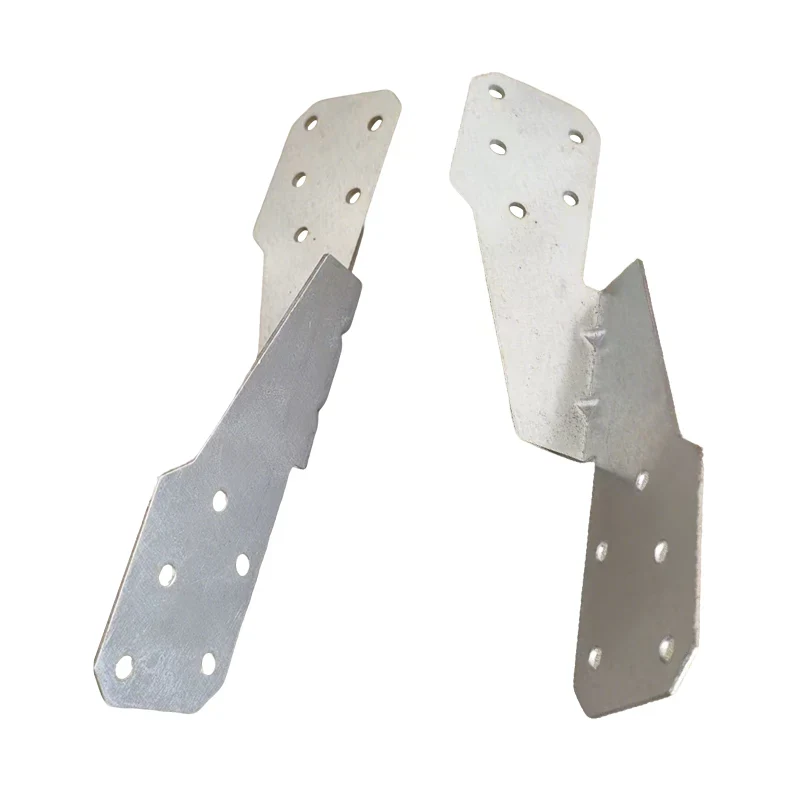
A Metal Positioning Plate is a precision-engineered metal component designed to accurately locate, align, and secure parts or assemblies in a fixed position. These plates act as reference bases in mechanical systems, ensuring that components are installed repeatedly in the same orientation and location.
Unlike plastic or composite alternatives, metal positioning plates offer superior rigidity, durability, and dimensional stability, making them ideal for high-load and high-precision environments.
Precision manufacturing demands extreme accuracy, repeatability, and stability. Even micron-level misalignment can result in defective products, increased scrap rates, or system failure.
In industries such as aerospace, automotive, electronics, and industrial automation, metal positioning plates are not optional components — they are foundational elements of quality control.
Metal positioning plates function by providing a precisely machined reference surface that interacts with pins, bushings, slots, or fasteners to locate components accurately.
This working principle is widely used in CNC fixtures, robotic workstations, automated assembly lines, and quality inspection systems.
| Material | Key Advantages | Typical Applications |
|---|---|---|
| Carbon Steel | High strength, cost-effective | Industrial fixtures, machinery bases |
| Stainless Steel | Corrosion resistance, durability | Food processing, medical equipment |
| Aluminum Alloy | Lightweight, good machinability | Automation systems, electronics |
| Tool Steel | Excellent wear resistance | High-load, high-precision tooling |
Material selection depends on load requirements, environmental conditions, and precision demands.
Manufacturers like S-SEN leverage advanced CNC machining and strict quality inspection to ensure every metal positioning plate meets industrial precision standards.
Metal positioning plates are widely used across multiple industries:
For more technical specifications, you can refer to this Metal Positioning Plate resource for additional engineering insights.
| Type | Advantages | Limitations |
|---|---|---|
| Standard Plates | Quick delivery, lower cost | Limited size and hole patterns |
| Custom Plates | Exact fit, optimized performance | Longer lead time |
Custom metal positioning plates are ideal when precision, efficiency, and integration are top priorities.
S-SEN is a professional manufacturer specializing in high-precision metal components for industrial applications. Their metal positioning plates are trusted by global customers due to:
Partnering with an experienced supplier ensures consistent quality and long-term manufacturing success.
High-quality metal positioning plates can achieve tolerances as tight as ±0.01 mm depending on material and machining process.
Yes. Customization options include size, thickness, hole patterns, surface treatment, and material selection.
With proper material selection and maintenance, metal positioning plates can last for many years even in high-load industrial environments.
Automotive, aerospace, electronics manufacturing, robotics, and industrial automation industries rely heavily on metal positioning plates.
A metal positioning plate is a fundamental component for achieving accuracy, repeatability, and efficiency in precision manufacturing. Choosing the right design, material, and supplier can significantly impact your production quality and operational performance.
If you are looking for reliable, high-precision metal positioning plate solutions, S-SEN is ready to support your project needs. Contact us today to discuss custom designs, technical requirements, and competitive manufacturing solutions.