Summary: Timber Connector Strip Nail Plates are vital components in timber frame construction and woodworking projects. This article explores their purpose, design, benefits, installation techniques, comparisons with traditional fasteners, and real‑world applications. We also cover specifications, materials, industry standards, and FAQs to help builders, engineers, and DIY enthusiasts make informed decisions.
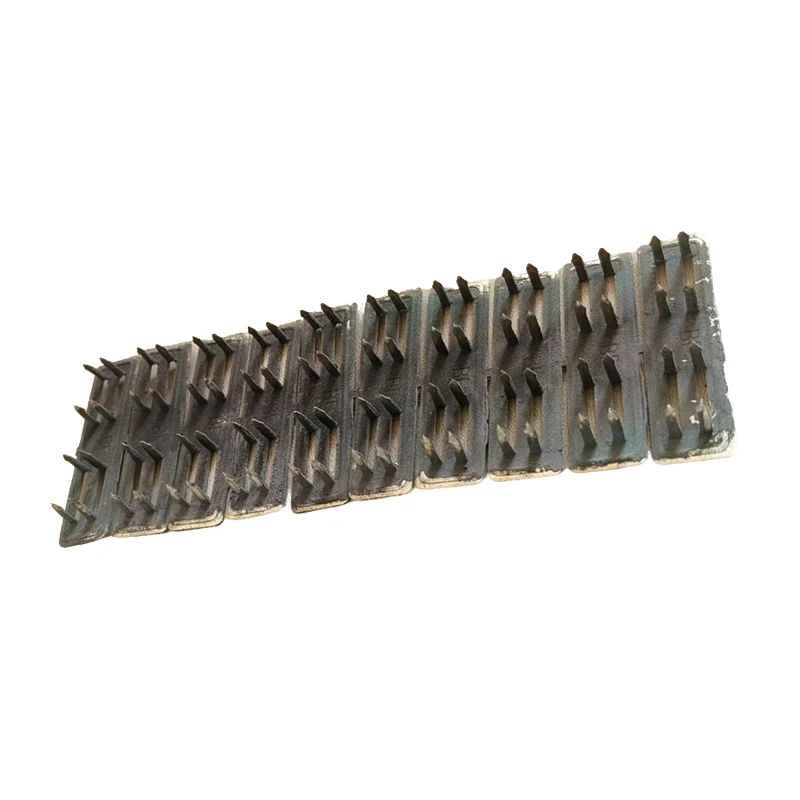
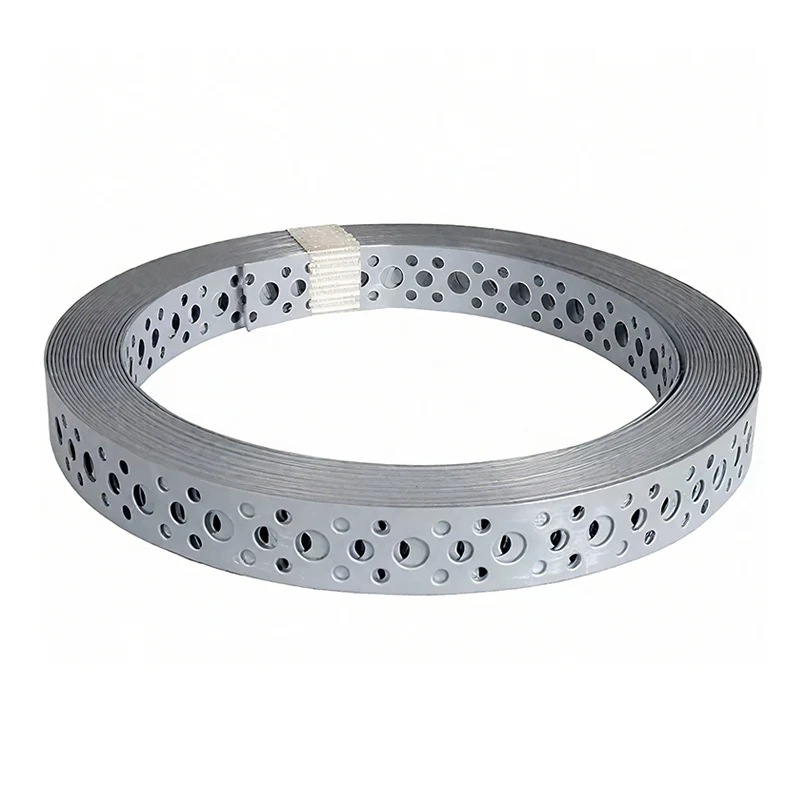
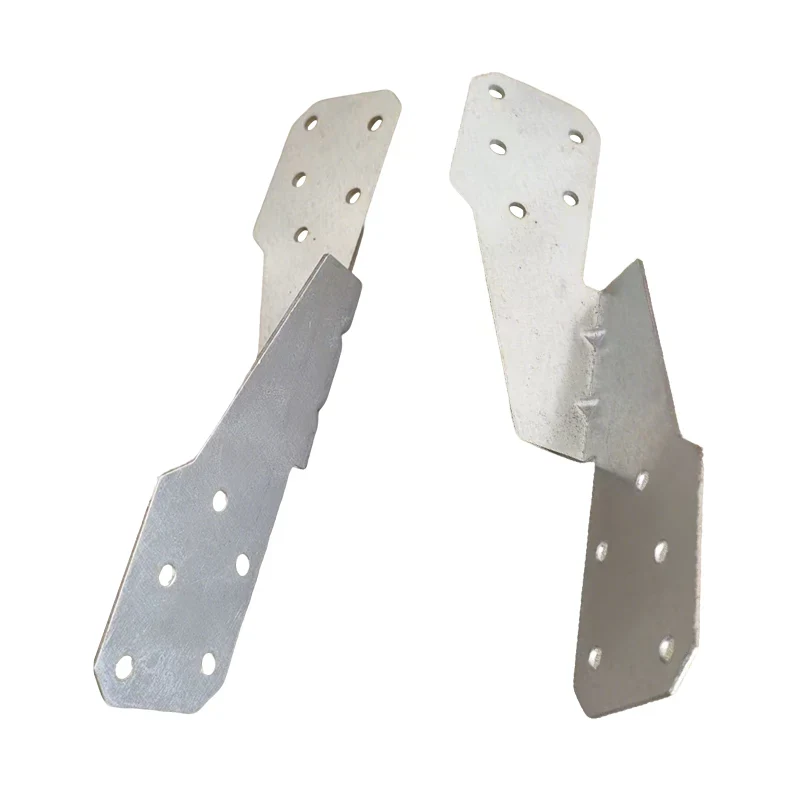
Timber Connector Strip Nail Plates are metal woodworking connectors used to join two or more timber elements. They resemble thin metal strips with protruding teeth that embed into wood when pressed or nailed in place. These plates help distribute loads evenly and increase joint stability in both simple and complex wooden structures.
The table below summarizes common specifications you’ll find in quality Timber Connector Strip Nail Plates, including those offered by S‑SEN:
| Specification | Description |
|---|---|
| Brand | S‑SEN |
| Material | Galvanized Steel (Z275/HDG340) or Stainless Steel |
| Thickness | 1.0mm – 1.5mm |
| Sizes | 75x50, 100x50, 100x100, 150x100, Custom |
| Surface Treatment | Galvanized, Hot‑Dip Galvanizing, Powder Coating |
These plates may also be custom‑punched with holes or teeth based on application needs.
Using these specially designed metal connectors offers multiple advantages over standard fasteners like nails or screws:
Below is a high‑level comparison between timber connector plates and traditional wood fasteners:
| Feature | Connector Strip Nail Plate | Nails / Screws |
|---|---|---|
| Load Carrying Capability | High | Moderate |
| Installation Speed | Fast | Slower |
| Force Distribution | Broad & Even | Localized |
| Corrosion Resistance | High (with treatment) | Varies by fastener |
Correct installation is key to performance:
These plates are widely used in:
Manufacturers like S‑SEN supply various sizes and surface treatments to meet these diverse applications.
Yes. When used per design guidelines, these plates help distribute loads across the joint area and strengthen timber connections.
Strip nail plates are elongated connectors for linear timber joins, while truss plates are often wider and used specifically in prefabricated truss assemblies. Both embed teeth into wood but differ in form factor and typical use cases.
Galvanized or stainless‑steel treated plates are well‑suited for humid or outdoor conditions. Choose appropriate surface treatment based on environment.
Not necessarily — nails or light presses often suffice. For higher production, pneumatic tools or presses offer consistent results.
Timber Connector Strip Nail Plates provide an efficient, strong, and durable way to connect wooden elements in modern construction and woodworking. With proper material selection, installation, and design guidance, projects benefit from improved joint strength and longevity.
If you’re seeking reliable Timber Connector Strip Nail Plates for your next build, consider high‑quality options from S‑SEN. For custom sizes or surface treatments, contact us today — we’ll help you find the right solution for your project needs!