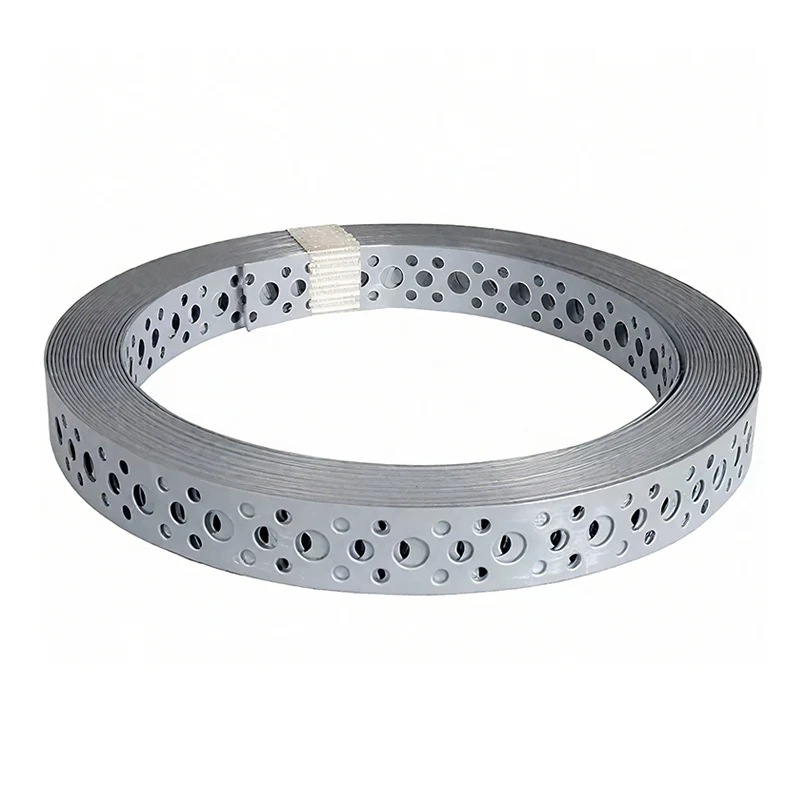
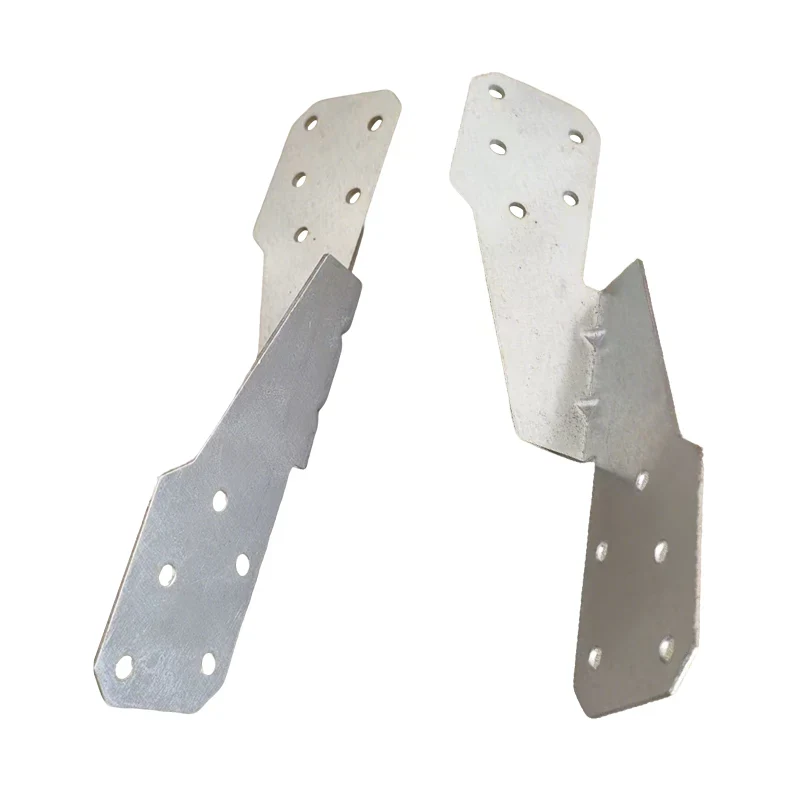
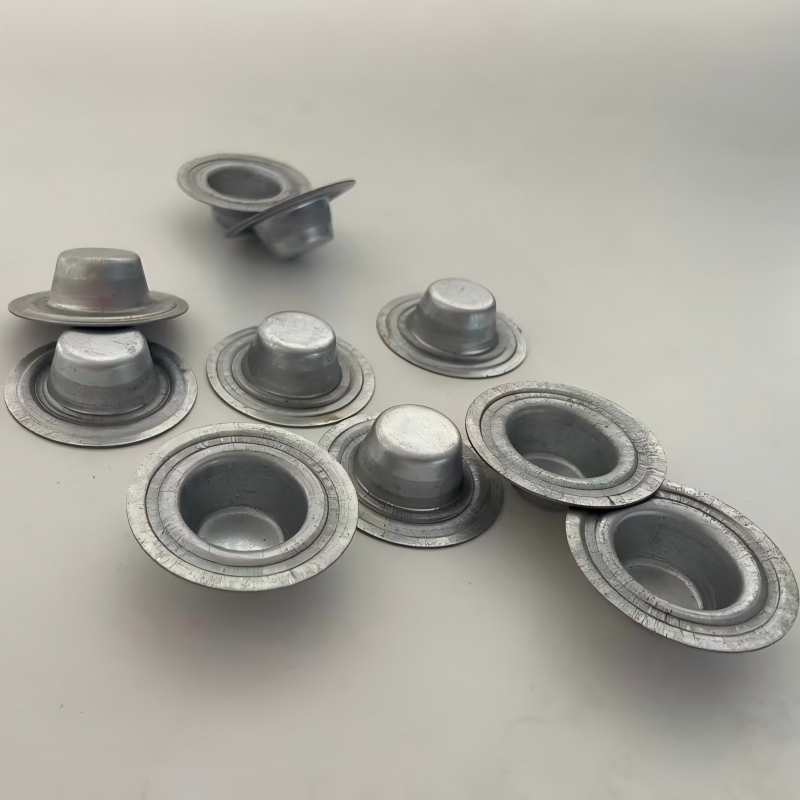
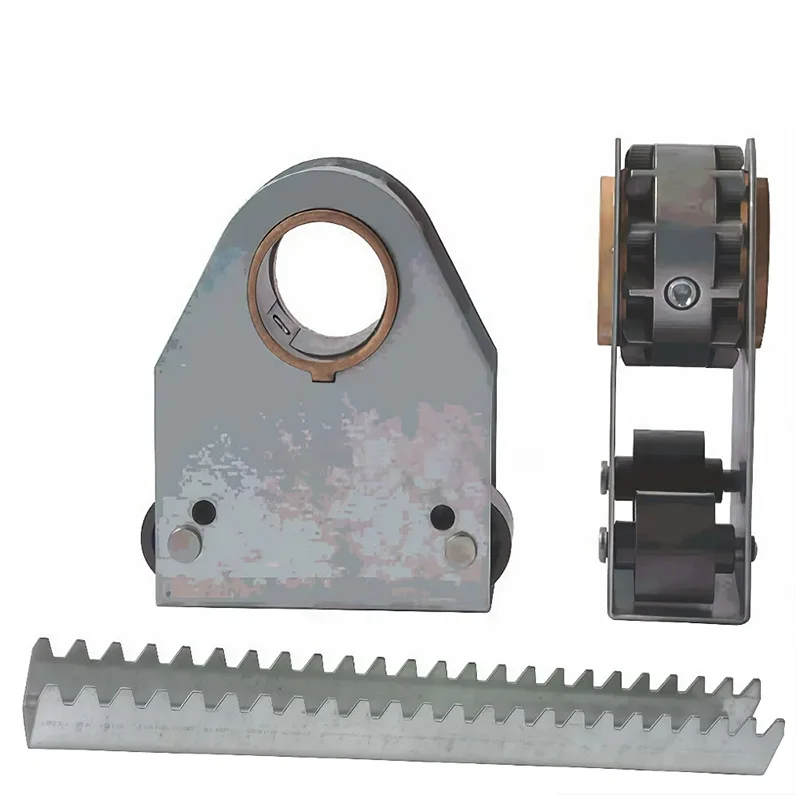
Greenhouse structure connectors are essential components that determine the strength and durability of greenhouse frames. Whether you’re constructing a small hobby greenhouse or a large commercial structure, choosing the correct connector type—with materials like hot-dip galvanized steel or precision aluminum alloy—is crucial for installation efficiency, structural stability, and long-term weather resistance. This comprehensive guide explores features, connector types, applications, comparisons, and best practices to help you make the smartest choice for your greenhouse build. Learn why greenhouse connectors matter, how to select them, and how S-SEN’s high-performance solutions stand out in the market.
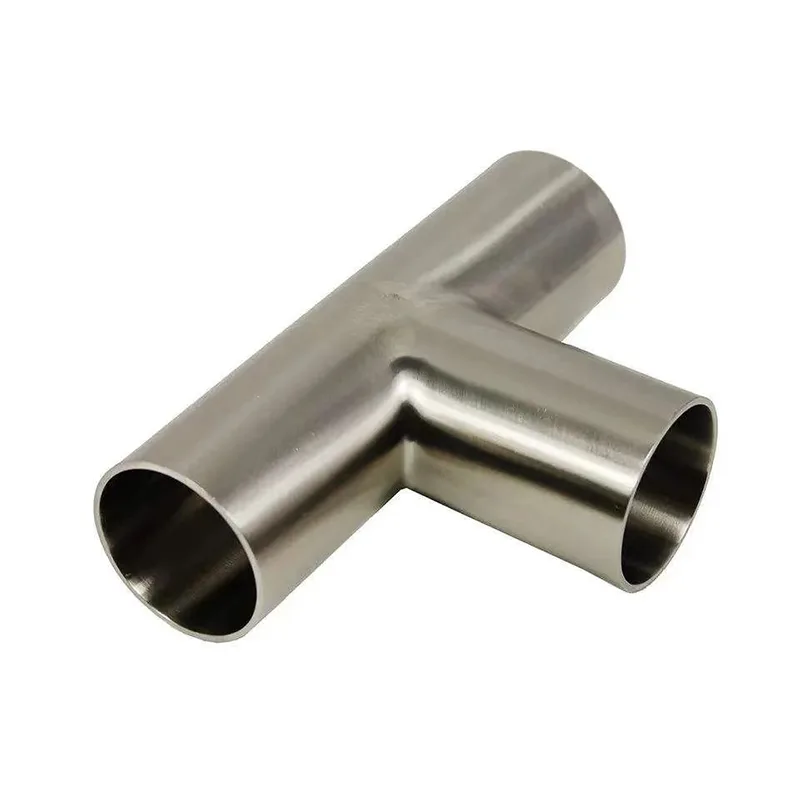
Greenhouse structure connectors are the mechanical fittings used to join pipes, tubes, and framework components that make up a greenhouse frame. They allow builders to assemble the structure without complex welding or on-site fabrication. These connectors improve joint stability, reduce installation time, and help greenhouse frames withstand environmental loads like wind, rain, and snow.
Greenhouse connectors are manufactured with specific materials and treatments to deliver various performances:
The right installation approach ensures the greenhouse frame performs optimally:
| Connector Type | Best Use | Material Options | Core Benefit |
|---|---|---|---|
| Three-Way Connector | Corners and junctions | Galvanized Steel, Alloy | Strong multi-direction support |
| T / Cross Clamp | Perpendicular joints | Steel, Aluminum | Flexible angle connections |
| H / V Connector | Arch frames | Alloy Steel | High structural stability |
| Stake Anchor | Ground anchoring | Hot-dip galvanized steel | Tensile ground resistance |
| Custom Connectors | Special designs | Custom steel grades | Tailored fit and performance |
Connectors are critical for ensuring frame stability, minimizing structural vibrations, and reducing long-term maintenance needs. They replace temporary tying methods like ropes or straps that can
Yes—many modern greenhouse connectors are designed for bolt-on modular assembly, eliminating the need for welding and allowing for faster installation.
Hot-dip galvanized steel and anodized aluminum alloys offer excellent corrosion resistance and strength, making them well-suited for outdoor greenhouse applications.
Consider your greenhouse size, environmental load (winds, snow), pipe dimensions, and whether you need custom fitting solutions.
Selecting the right greenhouse structure connectors can make the difference between a robust, long-lasting greenhouse and one that fails under stress. Evaluate connector types, materials, ease of installation, and compatibility with your frame design to unlock optimal performance and weather resistance. For professional greenhouse projects of any scale, high-quality solutions like the S-SEN greenhouse structure connectors offer structural stability, modular assembly, and durable performance that meets agricultural demands.
If you’re ready to build a greenhouse frame that stands the test of time, contact us today to discuss customized connector solutions and installation guidance with the S-SEN team.