Timber Connector Hurricane Ties play a critical role in modern construction, especially in regions prone to hurricanes, typhoons, and high-wind events. These engineered metal connectors are designed to securely anchor timber components, reducing structural failure caused by uplift, lateral forces, and seismic movement.
This in-depth guide explores how Timber Connector Hurricane Ties improve structural safety, how they comply with international building codes, and why professional builders increasingly rely on trusted manufacturers like S-SEN for high-performance timber connectors.
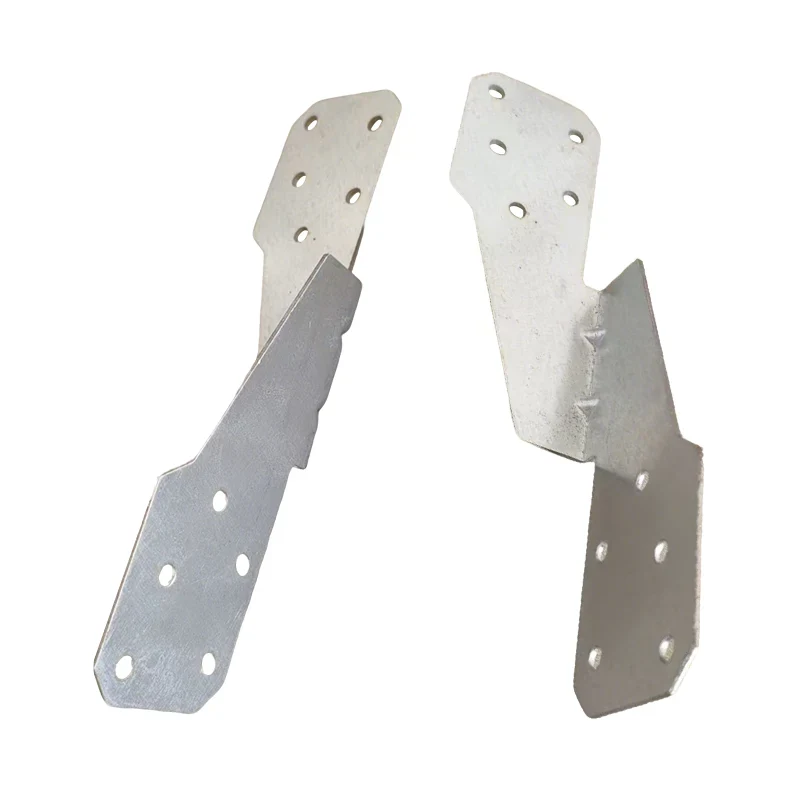
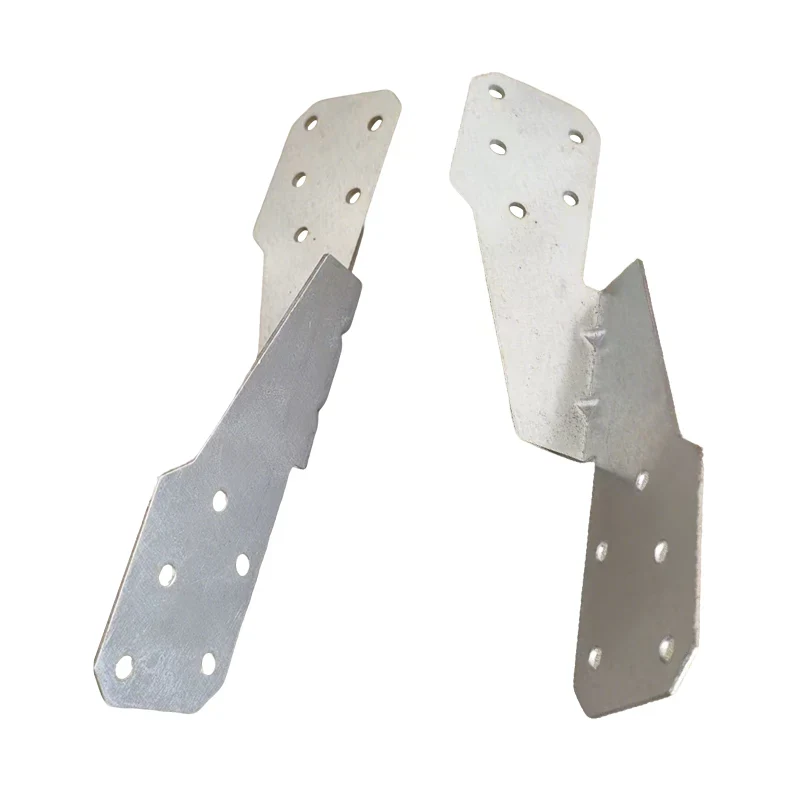
Timber Connector Hurricane Ties are galvanized or stainless-steel metal connectors designed to reinforce joints between wooden structural elements such as rafters, trusses, beams, and wall plates.
Unlike nails alone, hurricane ties provide a continuous load path that transfers wind and uplift forces from the roof down to the foundation. This significantly reduces the risk of structural separation during extreme weather events.
In hurricane-prone regions, buildings face intense uplift forces, lateral wind loads, and cyclic stress. Traditional fastening methods such as nails or screws alone are often insufficient.
According to modern building science, structural failures usually begin at weak connection points. Timber Connector Hurricane Ties eliminate these vulnerabilities by reinforcing critical joints.
The primary function of Timber Connector Hurricane Ties is to enhance structural integrity through mechanical reinforcement.
| Safety Aspect | How Hurricane Ties Contribute |
|---|---|
| Uplift Resistance | Secure roof trusses to wall plates |
| Lateral Stability | Reduce movement between timber joints |
| Load Path Continuity | Transfer forces safely to the foundation |
| Durability | Corrosion-resistant coatings extend service life |
By reinforcing the most vulnerable points of a structure, hurricane ties significantly reduce the likelihood of catastrophic damage.
Different construction scenarios require different connector designs.
Professional suppliers like S-SEN Timber Connector Hurricane Ties offer a wide range of standardized and custom solutions.
While nails and screws are still essential, they are no longer sufficient on their own in high-risk zones.
| Method | Strength | Reliability |
|---|---|---|
| Nails Only | Low | Unpredictable under extreme loads |
| Screws | Medium | Limited uplift resistance |
| Hurricane Ties | High | Engineered for code compliance |
High-quality Timber Connector Hurricane Ties are manufactured in compliance with international standards such as:
Manufacturers like S-SEN focus on precision manufacturing, strict quality control, and corrosion-resistant finishes to meet or exceed these requirements.
Even the best hurricane tie will fail if installed incorrectly.
Proper installation ensures that Timber Connector Hurricane Ties perform as designed during extreme weather.
Timber Connector Hurricane Ties are widely used in:
Their versatility makes them indispensable in modern timber engineering.
S-SEN is recognized for delivering reliable and cost-effective timber connection solutions for global markets.
Choosing S-SEN means choosing long-term structural security and compliance.
In many hurricane-prone regions, building codes require their use to meet wind-load standards.
Yes. They are commonly added during retrofitting to improve structural safety.
High-quality products use galvanized or stainless steel to resist corrosion.
Selection depends on load requirements, timber size, and local building codes.
Timber Connector Hurricane Ties are not optional accessories—they are essential components for safe, durable, and code-compliant construction in hurricane zones. By reinforcing critical joints and ensuring a continuous load path, these connectors dramatically reduce structural risk.
If you are looking for dependable, high-performance Timber Connector Hurricane Ties backed by manufacturing expertise, S-SEN is your trusted partner. Contact us today to learn how our solutions can strengthen your next project.