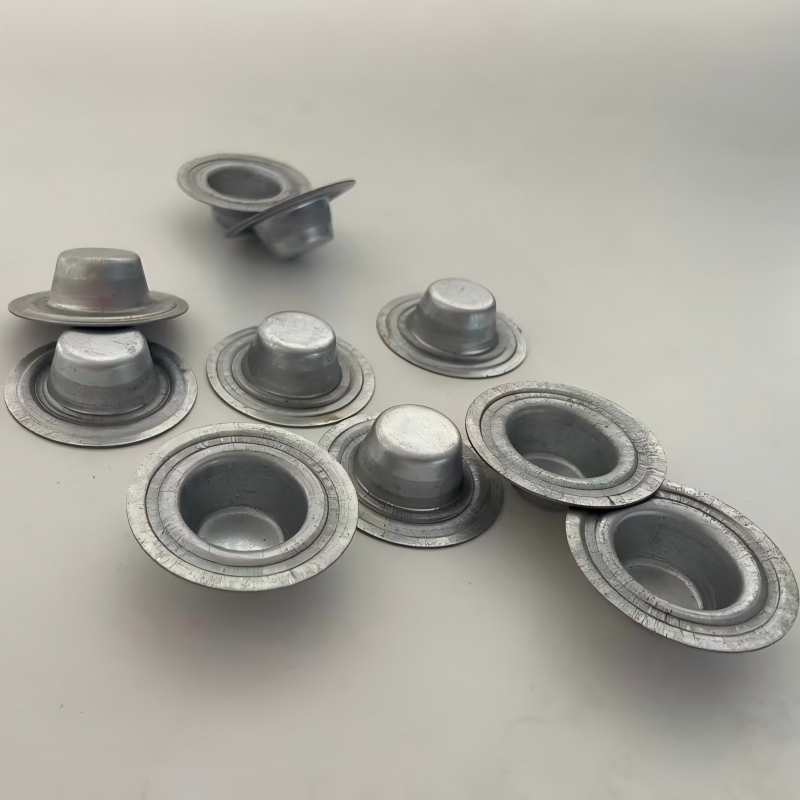
Metal screw caps are widely used in food‑beverage, cosmetic, pharmaceutical and industrial fluid packaging. Many procurement and engineering teams only focus on outer appearance and price, ignoring material‑content compatibility, thread‑neck matching and liner performance. Minor mismatches will trigger leakage, corrosion, hard‑to‑open complaints and batch‑level quality loss. This article sorts out practical, test‑backed points without empty marketing language.
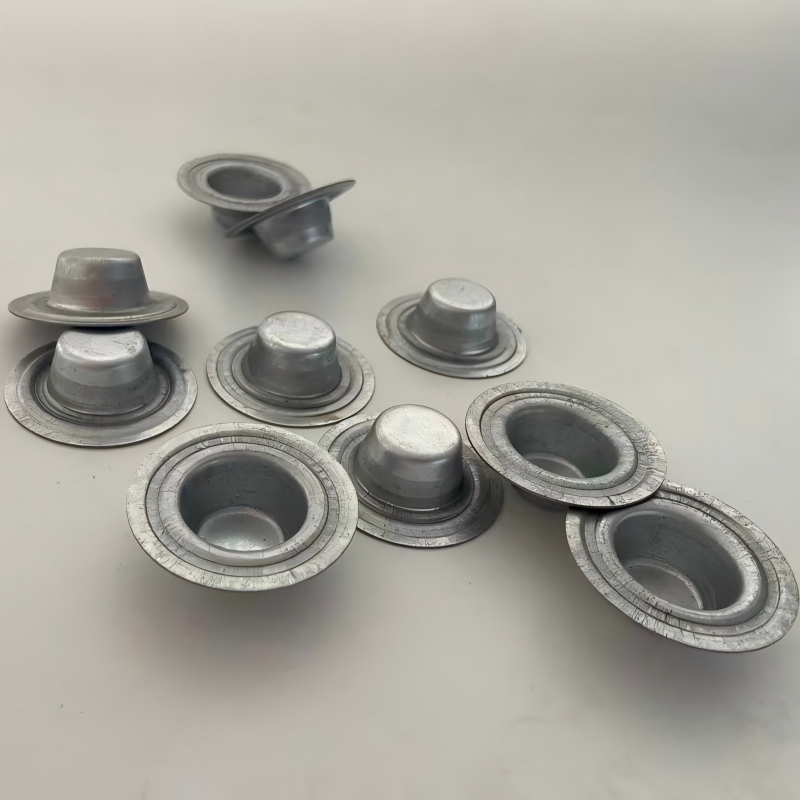
Shell material directly decides corrosion resistance, processing property and cost. Three mainstream metal options cover most commercial scenarios.
| Material | Thickness Range | Strength & Malleability | Typical Scenarios | Hard Limits |
|---|---|---|---|---|
| Aluminum | 0.20‑0.35 mm | Lightweight, good ductility, easy emboss & print | Wine, olive oil, cosmetic glass bottles, ROPP closure | Poor pressure resistance; not fit for high‑temperature long‑time retort sterilization |
| Tin‑Plated Steel (Tinplate) | 0.15‑0.30 mm | High structural strength, anti‑pressure, heat‑resistant | Pickle jars, sauce, canned food requiring 121℃ retort | Prone to edge rust if coating is scratched; acidic content needs matched inner coating |
| Stainless Steel | 0.30‑0.80 mm | Superior chemical & weather resistance | Industrial fluid, outdoor equipment, high‑corrosion formula | High cost; high rigidity, easy to damage glass neck under over‑torque |
Practical note:Material alone cannot solve corrosion risk. Even tinplate or stainless steel will fail if inner coating and liner do not match pH, alcohol, oil components inside the container.
Thread provides mechanical locking force; liner delivers actual air‑tight and liquid‑tight seal. Many people misunderstand that tight thread equals good sealing effect.
Sealing land refers to the flat contact ring of bottle mouth touching liner. Even if caps and liners are qualified, chipping, oval deformation, residual filling liquid on sealing land will directly cause leakage. In mass production, bottle‑neck inspection is equally important as cap incoming inspection.
Metal screw caps fall into two major categories by thread forming method, with completely different production and application logic.
Internal threads are pre‑manufactured during cap production. Suitable for repeated opening‑closing, cosmetic, condiment packaging. Key dimension parameters: T, E, H, S dimension.
No pre‑formed internal thread. Thread is rolled onto bottle neck during capping machine operation. Mostly used for wine, spirits, premium edible oil. ROPP caps are bottle‑neck specific, cannot be mixed for different neck finishes. Changing bottle supplier must re‑verify rolling parameters, not directly reuse existing caps.
Real‑world pit:Many purchasers purchase caps according to nominal diameter only, ignoring full neck‑finish drawing. Different factories’ same nominal size neck may have different thread profile, resulting in cross‑thread, slipping or over‑tight damage in mass production.
Torque is the most common root cause for batch quality issues. Too low → leakage and cap back‑off during transit; too high → glass neck crack, thread deformation, consumer cannot open the cap.
Test data reference from packaging industry:
Operational suggestion:
Summarized recurring problems in actual projects, to assist quick troubleshooting instead of blindly blaming cap supplier.
| Phenomenon | Possible Root Cause | Check Points & Solutions |
|---|---|---|
| Leakage after vibration / long‑distance shipment | Insufficient liner compression; torque loss; sealing‑land contaminated | Do inversion & vibration simulation test with real filled product; improve filling nozzle to reduce liquid residue on bottle mouth |
| Cap hard to open after high‑temperature retort | Excessive capping torque; vacuum inside jar after cooling raises removal torque | Optimize capping torque window; test removal torque after full retort process |
| Inner‑cap corrosion, spot rust after storage | Inner coating damaged; liner incompatible with acidic/oily content | Perform accelerated aging simulation test with real formula before mass order; check salt‑spray test report |
| Tamper‑evident band breaks abnormally | Dimension mismatch between cap skirt and bottle bead; uneven capping pressure | Verify neck‑finish drawing; adjust capping head pressure |
Important reminder: Do not test empty caps only. Validation must adopt complete system: real bottle + real cap + real content, simulating filling temperature, sterilization procedure, transport vibration and temperature cycling. Separate component test cannot reproduce real‑world failure mode.
Before placing bulk order, finish these items to lower quality risk:
Metal screw cap seems like a small accessory, but its reliability comes from systematic matching of shell material, liner, bottle‑neck dimension, capping torque and product property. Appearance and unit price should not be the primary judging criteria.
Would you like me to refine this article into publish‑ready marketing content with optimized structure, title options and key take‑away highlights using work task mode?