In the world of construction and industrial fabrication, the integrity of a structure hinges on the strength and reliability of its connections. Among the unsung heroes ensuring this stability is the Perforated Angle Brace. For over two decades in the SEO and construction materials industry, I've seen how the right components make all the difference. This versatile, heavy-duty bracket is a cornerstone for countless projects, from simple shelving to complex steel frameworks. But what exactly makes a high-quality Perforated Angle Brace stand out, and why should it be your go-to choice for reinforcement?
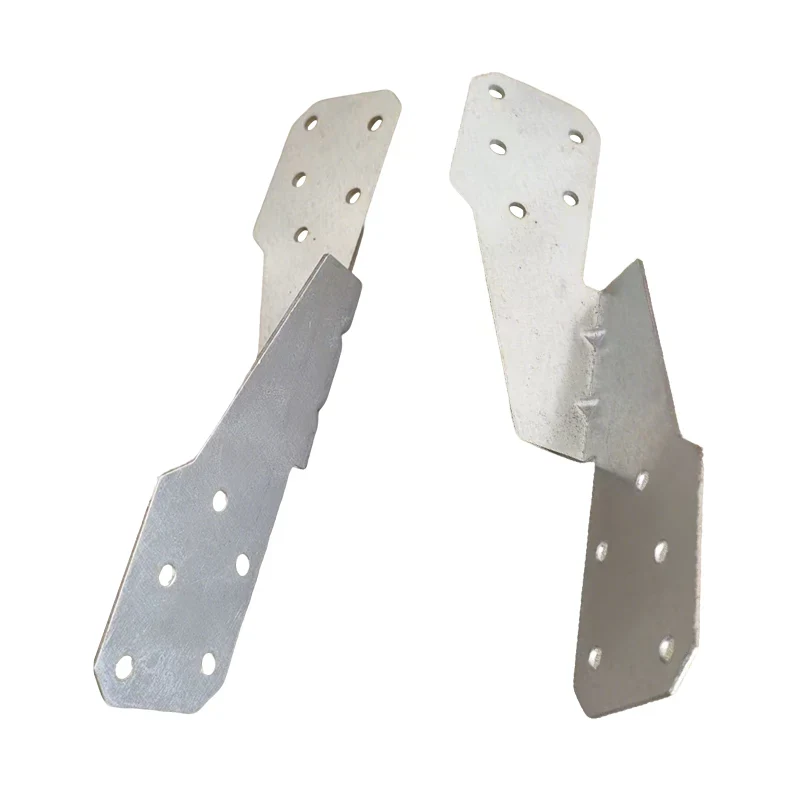
Simply put, a Perforated Angle Brace is a pre-punched L-shaped metal bracket used to join structural members, typically at a 90-degree angle. Its perforations (holes) allow for versatile and adjustable fastening using bolts, screws, or rivets. The true value, however, lies in its specifications. Not all braces are created equal, and understanding the key parameters is crucial for ensuring safety, durability, and cost-effectiveness. Let's delve into the core details that define a superior brace.
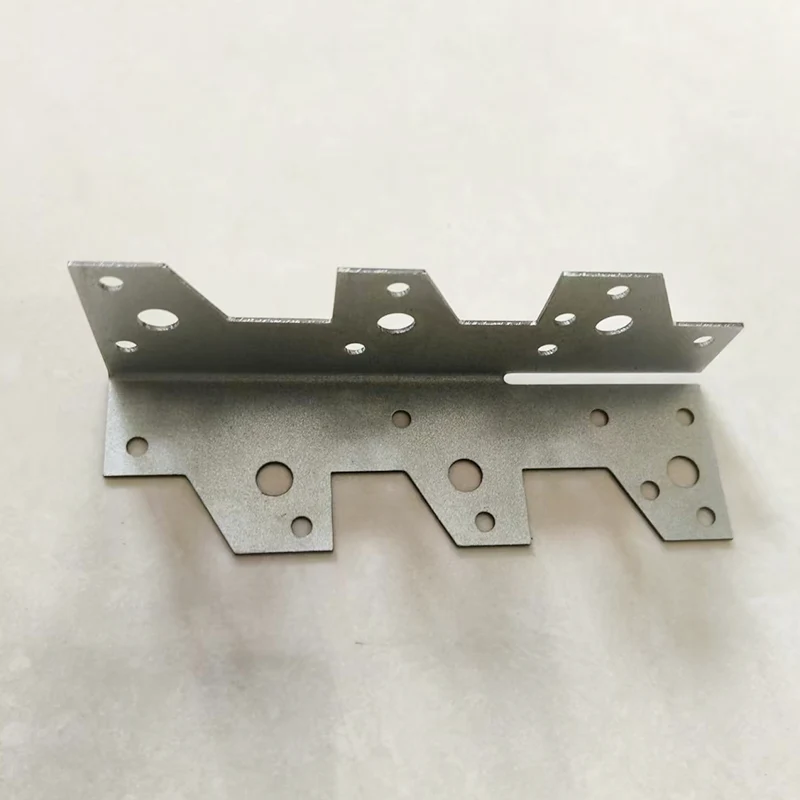
A top-tier Perforated Angle Brace is engineered with precision. Below are the critical parameters you must consider:
1. Material & Finish:
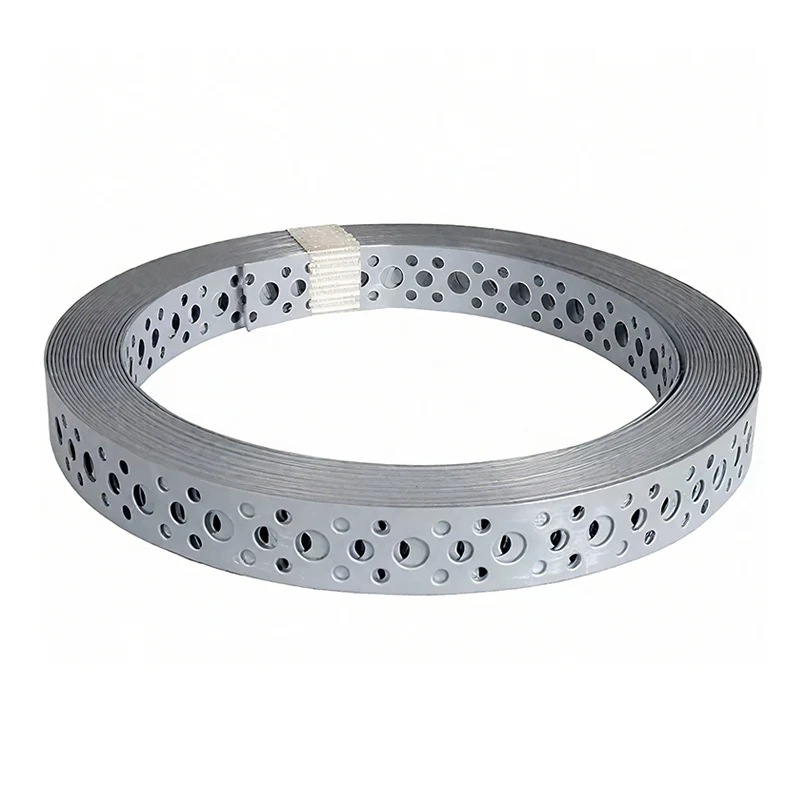
Common Materials: Galvanized Steel (most common for corrosion resistance), Stainless Steel (for high moisture/chemical environments), Aluminum (for lightweight applications), and Carbon Steel.
Finishes: Pre-galvanized, Hot-dip galvanized, Powder-coated, or Painted. Galvanization is key for rust prevention.
2. Key Physical Dimensions:
Leg Length: The length of each side of the "L." Common sizes range from 2 inches to 8 inches or more.
Thickness (Gauge): The metal thickness, which directly impacts load-bearing capacity. Typically measured in gauge or millimeters.
Hole Patterns: The arrangement, diameter, and quantity of pre-drilled holes.
Leg Width: The width of the metal strip forming the leg.
3. Performance & Compliance:
Load Capacity: The maximum static or dynamic load the brace can withstand, determined by material and geometry.
Standards Compliance: Meets relevant industry standards (e.g., ASTM, ISO) for quality assurance.
To present this information with clarity and professionalism, here is a specification table for a typical high-demand Perforated Angle Brace from Cangzhou Shengsen Metal Products Co., Ltd.:
| Specification | Standard Detail | Premium / Heavy-Duty Option |
|---|---|---|
| Material | Q235 Carbon Steel | SS304 Stainless Steel |
| Surface Treatment | Electro-Galvanized (Zinc-coated) | Hot-Dip Galvanized |
| Common Leg Lengths | 2", 3", 4", 6" | 4", 6", 8", 10" |
| Common Thickness | 2.0mm (approx. 14 gauge) | 2.5mm to 5.0mm |
| Hole Diameter | 5mm, 7mm | 7mm, 10mm |
| Hole Pattern | Staggered grid for flexible fastening | Reinforced staggered grid |
| Primary Application | Shelving, Light framing, Furniture | Structural framing, Warehousing, Heavy equipment supports |
| Key Advantage | Cost-effective, Good corrosion resistance | Exceptional strength & durability, Superior corrosion resistance |
Choosing a brace with the correct thickness and material for your specific load and environmental conditions is non-negotiable. A thicker, hot-dip galvanized brace from a reputable manufacturer like Cangzhou Shengsen ensures your structure won't succumb to stress or rust over time, safeguarding your investment and safety.
Beyond basic specs, the perforated design itself offers transformative benefits:
Ultimate Flexibility & Adjustability: The multiple holes allow for micro-adjustments during installation, ensuring a perfect fit even if measurements are slightly off. This is invaluable for retrofit projects or aligning multiple connections.
Simplified & Faster Installation: There's no need for on-site drilling. Contractors can quickly bolt the brace into place, dramatically reducing labor time and costs. Efficiency on the job site translates directly to your bottom line.
Enhanced Versatility: A single brace can be used in dozens of applications. It's a universal solution for creating rigid joints.
Stronger Connections: When properly bolted through the perforations, the connection distributes stress more evenly across the brace and the joined members, leading to a more robust and reliable structure compared to simple welded or nailed corners.
Whether you're a DIY enthusiast building a garage storage system or a project manager overseeing commercial steelwork, these advantages mean a faster, stronger, and more adaptable build.
1. Q: What is the main difference between a Perforated Angle Brace and a solid, non-perforated angle iron?
A: The core difference is versatility versus rigidity. A solid angle iron is a structural component itself, often welded in place for a permanent, fixed-angle connection. A Perforated Angle Brace is a connector designed to join two separate members. Its holes allow for bolted, adjustable, and removable connections without welding. It's generally used where disassembly might be needed or where welding is impractical or too costly.
2. Q: How do I determine the correct size and thickness (gauge) of Perforated Angle Brace for my project?
A: Selecting the right size involves two factors: load and geometry. First, assess the weight and type of load (static like a shelf, or dynamic like machinery vibration). For heavy loads, always choose a thicker gauge (a lower gauge number, like 10 or 12, indicates thicker metal). Second, match the leg length to the width of the materials you're joining. The brace should adequately contact both surfaces. For critical structural applications, always consult an engineer. Reputable suppliers like Cangzhou Shengsen Metal Products Co., Ltd. can provide technical guidance based on their product specifications.
3. Q: Can Perforated Angle Braces be used outdoors, and how do I prevent rust?
A: Absolutely, but material choice is critical. For outdoor use, always select a brace with a corrosion-resistant finish. Hot-dip galvanized steel is the industry standard for most outdoor and industrial environments, as it provides a thick, bonded zinc coating. For highly corrosive environments (e.g., coastal areas, chemical plants), stainless steel (such as 304 or 316 grade) is the best choice. Avoid plain carbon steel or electroplated options for long-term exterior use, as they will corrode much faster.
In construction, the smallest component can bear the greatest responsibility. The Perforated Angle Brace exemplifies this principle—a simple yet profoundly effective tool that provides indispensable strength and flexibility. By understanding its specifications, from material grade to hole pattern, you move beyond simply buying a bracket to making an informed engineering decision.
Investing in high-quality, precision-made braces is an investment in the longevity, safety, and reliability of your entire project. It eliminates guesswork, reduces installation headaches, and delivers peace of mind that your structures will stand firm.
For professionals who demand uncompromising quality, consistent supply, and expert-grade manufacturing, partnering with a dedicated producer is key. Cangzhou Shengsen Metal Products Co., Ltd. specializes in manufacturing robust and reliable metal framing components, including a comprehensive range of Perforated Angle Braces designed to meet diverse industrial and commercial needs. Contact us today to discuss your specific requirements and discover how our products can provide the solid foundation your next project deserves.