Understanding how Custom Processing Services differ from contract manufacturing has become essential for companies aiming to streamline production, reduce risk, and achieve stable output quality. In many industries, our team notices that buyers often mix these two models, even though they operate on very different workflows and require different supplier capabilities. This article explains the technical distinctions, the operational impact, and how our factory manages each model for clients seeking reliable and scalable production support. One of the core advantages we offer is flexible cooperation models that match different project stages and complexity levels.
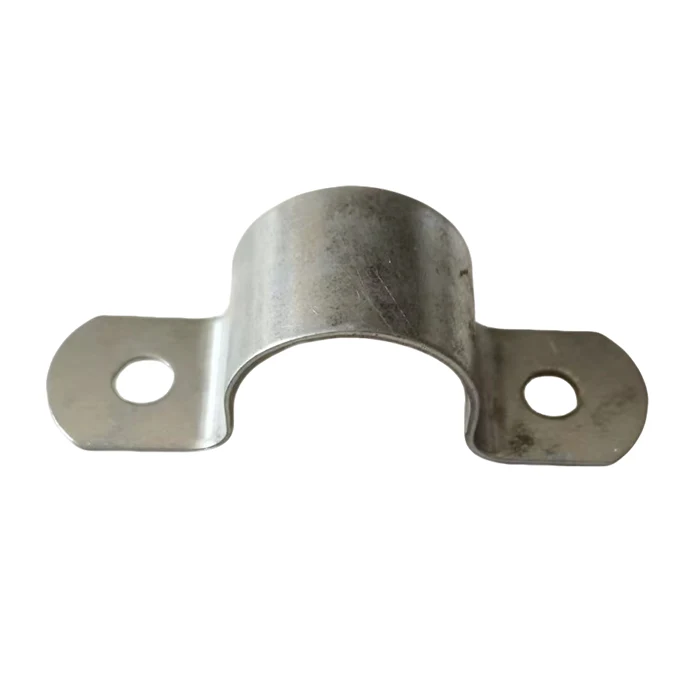
The first major difference lies in responsibility allocation. Custom Processing Services usually focus on handling specific production steps that the buyer cannot or does not want to complete in-house. These steps may involve metal forming, machining, finishing, surface processing, or component assembly. Our team manages these segments with a clear scope, allowing the client to maintain full control of materials, design standards, and product ownership. This workflow is commonly selected by engineering firms and mid-sized manufacturers who already own product IP.
Contract manufacturing, however, distributes responsibility differently. In this model, the supplier manages a broader range of operations including sourcing, production, testing, and packaging. This requires deeper project management capabilities within our factory, because the client expects predictable output, repeatable quality, and transparent communication from start to finish. Contract manufacturing is frequently chosen when the buyer does not want to operate their own facility or when rapid scale-up is required.
Technical complexity also differs significantly. Custom Processing Services typically require advanced machinery for precision machining, bending, cutting, or forming, depending on the client’s drawings and performance specifications. At Cangzhou Shengsen Metal Products Co., Ltd., our production team handles these jobs through dedicated process stations designed to maintain consistency across high-volume batches. This model emphasizes accuracy and efficiency rather than full product ownership.
Contract manufacturing requires a wider technical foundation. The supplier must manage raw material traceability, product engineering, compliance documentation, and final inspection. This often means tighter internal coordination and more structured production lines. Because of this, our factory integrates upstream material verification and downstream quality tracking to maintain stable output for long-term strategic clients.
| Model | Main Scope | Client Control Level | Supplier Role |
| Custom Processing | Specific production steps | High | Process executor |
| Contract Manufacturing | Full production cycle | Medium | Project manager |
Material control is another key difference. When buyers request Custom Processing Services, they usually supply the raw materials themselves or specify exact grades and technical requirements. Our team then executes the required operations under predefined process parameters. This structure reduces risk on the supplier side and ensures that the client maintains alignment with internal engineering standards.
In contract manufacturing, however, the supplier takes responsibility for procuring materials. This requires stable partnerships with upstream vendors as well as strict inspection procedures. At Cangzhou Shengsen Metal Products Co., Ltd., our factory implements batch tracking and full documentation to ensure that each production run meets performance expectations. This level of oversight makes contract manufacturing particularly suitable for standardized products or long-term recurring orders.
The cost model for Custom Processing Services is usually straightforward. Clients pay for labor, machine time, and processing complexity. This is ideal when the client already has an internal supply chain and simply needs our facility to complete certain steps using our specialized equipment. This also helps avoid resource duplication because only targeted processes are outsourced.
Contract manufacturing has a more layered cost structure. Since the supplier is responsible for sourcing, managing, and completing entire production cycles, pricing typically reflects materials, administrative work, engineering support, and quality documentation. Our team structures quotations carefully to help clients evaluate the total cost of ownership versus maintaining in-house equipment. This approach supports long-term planning and reduces unexpected costs for both sides.
| Cost Element | Custom Processing | Contract Manufacturing |
| Material Procurement | Usually client | Supplier |
| Engineering Support | Limited | Full-cycle |
| Quality Documentation | Basic | Comprehensive |
Lead times differ based on operational scope. Custom Processing Services generally offer faster turnaround because only specific processes are performed. With our factory’s dedicated production zones, we can often complete these jobs efficiently while maintaining strict process accuracy.
Contract manufacturing lead times depend on project scale and procurement cycles. Raw material acquisition, prototype testing, and mass-production scheduling introduce additional steps. For this reason, Cangzhou Shengsen Metal Products Co., Ltd. develops phased timelines to offer reliable delivery windows and ensure that clients receive consistent support for long-term production programs.
Choosing the right model depends on product maturity, internal capabilities, and quality requirements. Custom Processing Services fit projects that already have established engineering drawings and clear process parameters. These clients typically use our expertise to increase production capacity without expanding their own facilities.
Contract manufacturing is best for companies needing full production support, especially when developing new product lines or scaling quickly. Offering this service helps our factory serve clients who prefer a single point of accountability rather than coordinating multiple vendors. This model is often used by overseas buyers who want stable performance without establishing a local facility.
Q1: What responsibilities does a supplier undertake in each model?
In Custom Processing Services, the supplier performs specific operations defined by the client. In contract manufacturing, the supplier assumes broader roles including procurement, quality management, and final delivery. This affects how both sides plan cost and production timelines.
Q2: How does material sourcing differ between the two approaches?
For Custom Processing Services, clients usually provide raw materials or specify exact requirements. In contract manufacturing, the supplier manages sourcing, which requires reliable upstream partnerships and documentation processes.
Q3: Which model offers faster delivery for small or mid-sized batches?
Custom Processing Services typically offer faster lead times because only targeted production steps are required. Contract manufacturing timelines are longer due to procurement and full-cycle quality control.
The differences between these two manufacturing models affect cost strategy, material management, lead time, and supplier responsibility. Companies with established engineering resources often benefit from Custom Processing Services because they retain full control of materials and product ownership. Businesses seeking end-to-end support typically choose contract manufacturing for its stability and convenience. For buyers looking for a supplier capable of both cooperation models, Cangzhou Shengsen Metal Products Co., Ltd. provides flexible and scalable solutions tailored to diverse project requirements. Contact our team today to discuss how we can support your next production project and help your business grow with reliable and cost-effective manufacturing options.