A Timber Nail Board Connector is a critical structural component used to securely join timber members in residential, commercial, and industrial construction. With the rise of prefabricated timber systems and engineered wood structures, nail board connectors have become essential for ensuring strength, stability, and long-term durability. This article explores what a timber nail board connector is, how it works, its advantages, applications, material types, installation methods, and how to choose the right connector for your project.
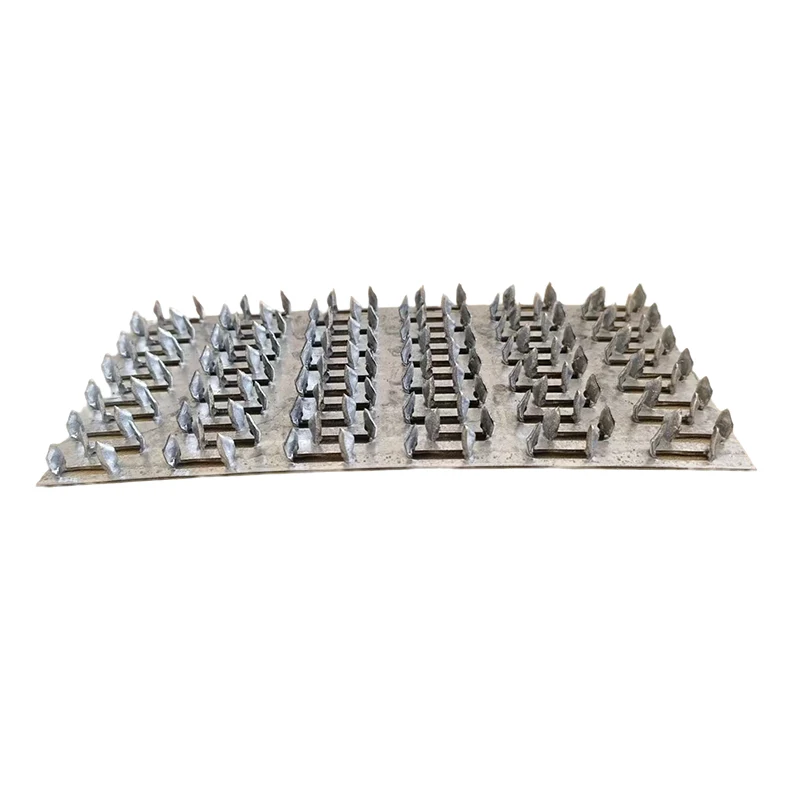
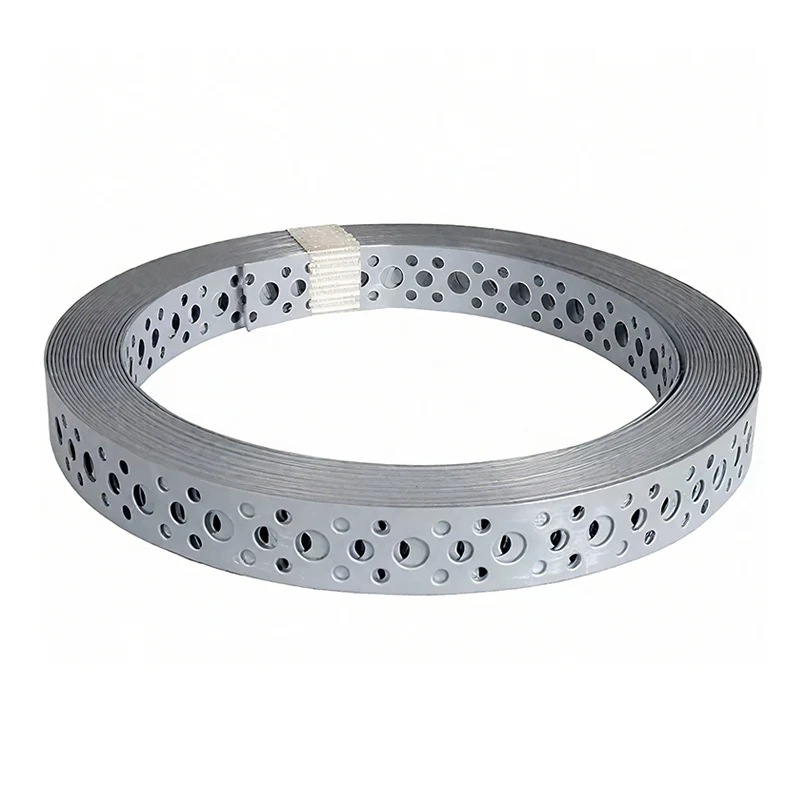
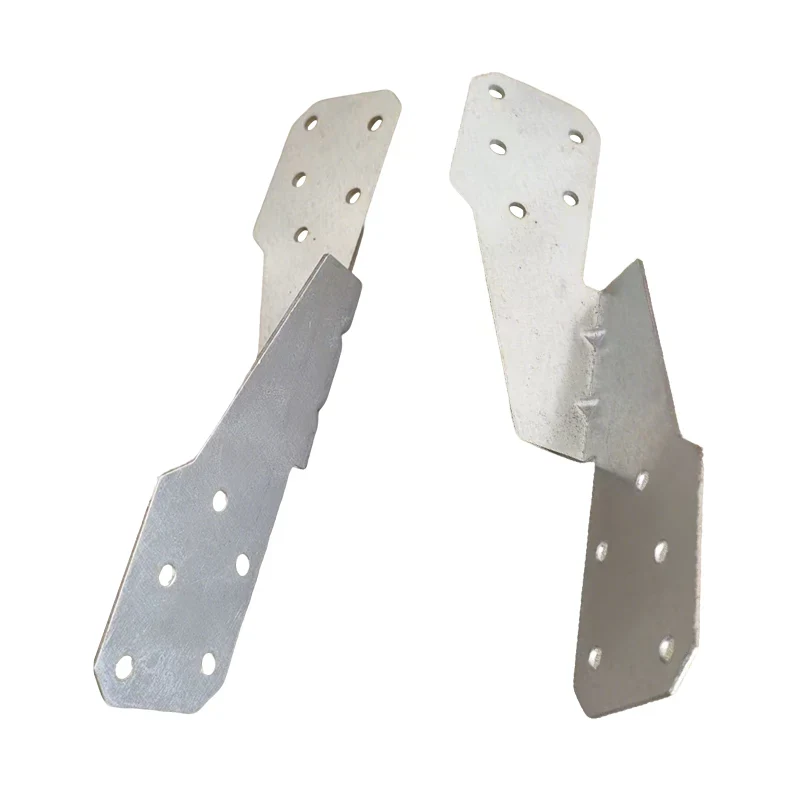
A Timber Nail Board Connector is a metal plate, typically embedded with multiple punched nails or teeth, designed to join two or more timber members together. Unlike traditional joinery methods, this connector creates a high-strength mechanical bond by penetrating the wood fibers and distributing loads evenly across the joint.
These connectors are widely used in:
Manufacturers like S-SEN produce precision-engineered timber nail board connectors that comply with international construction standards and are suitable for both light-duty and heavy-duty applications.
A timber nail board connector works by mechanically interlocking timber components using integrated nails or teeth that are pressed into the wood surface. Once installed, the connector transfers loads through the metal plate rather than relying solely on the timber itself.
The basic working principle includes:
This method significantly improves shear resistance, tensile strength, and overall structural stability compared to traditional nailing alone.
For modern timber buildings, these advantages make nail board connectors an indispensable structural solution.
Timber nail board connectors are used across a wide range of construction scenarios:
Depending on structural requirements, timber nail board connectors are available in various designs:
Each type serves a specific purpose, allowing engineers to optimize joint performance without overengineering.
Material choice plays a critical role in the durability of timber nail board connectors.
| Material | Surface Treatment | Recommended Use |
|---|---|---|
| Carbon Steel | Electro-Galvanized | Indoor applications |
| Carbon Steel | Hot-Dip Galvanized | Outdoor and humid environments |
| Stainless Steel | Natural | Coastal or corrosive environments |
S-SEN offers a full range of galvanized timber nail board connectors to ensure long-term corrosion resistance.
Correct installation is essential to achieving the designed structural performance.
| Feature | Timber Nail Board Connector | Traditional Timber Joint |
|---|---|---|
| Load Capacity | High | Medium |
| Installation Speed | Fast | Slow |
| Consistency | Excellent | Varies |
| Labor Cost | Low | High |
When selecting a connector, consider the following factors:
Choosing a trusted supplier like S-SEN ensures quality, technical support, and long-term performance.
Yes. When properly specified and installed, they are designed to handle significant structural loads.
Hot-dip galvanized or stainless steel connectors are ideal for outdoor environments.
High-quality products from manufacturers like S-SEN are produced according to recognized international standards.
Yes. Custom designs are available for specific structural requirements.
The Timber Nail Board Connector has become a cornerstone of modern timber construction, offering strength, efficiency, and reliability. Whether used in residential housing or large-scale timber structures, choosing the right connector can significantly impact safety and longevity.
If you are looking for high-quality, reliable timber nail board connectors with expert support, S-SEN is ready to help. Contact us today to discuss your project requirements and find the ideal solution for your timber construction needs.