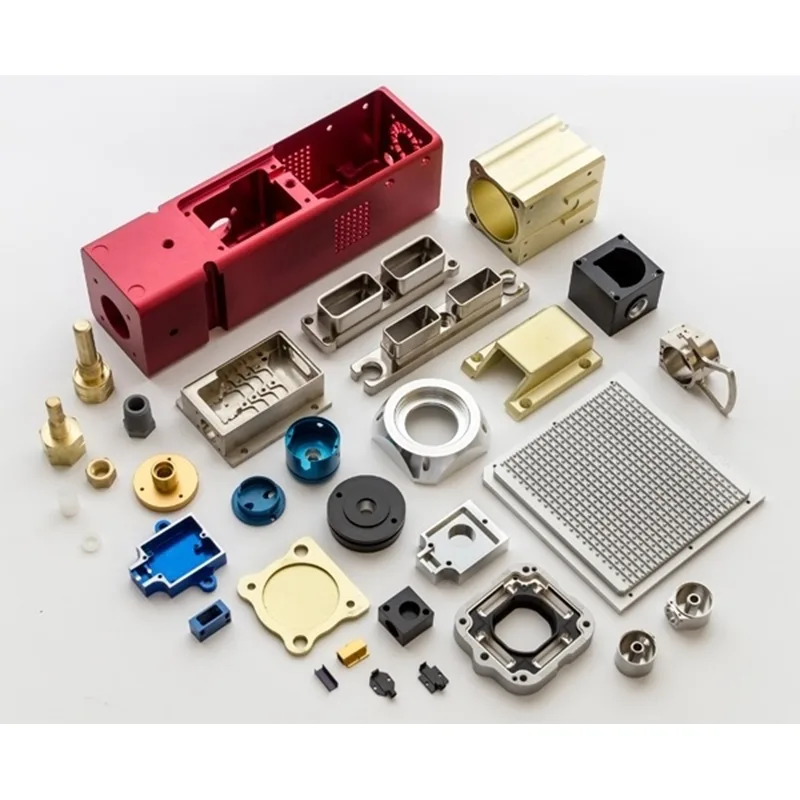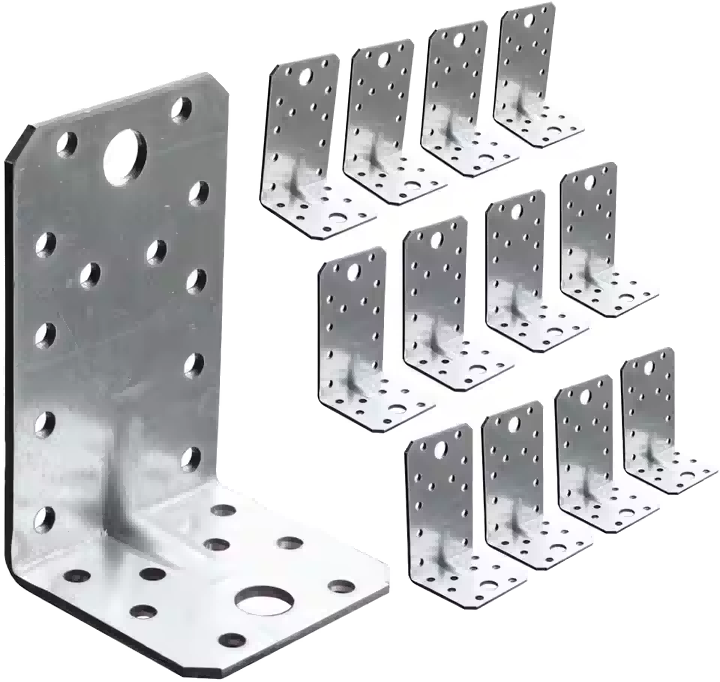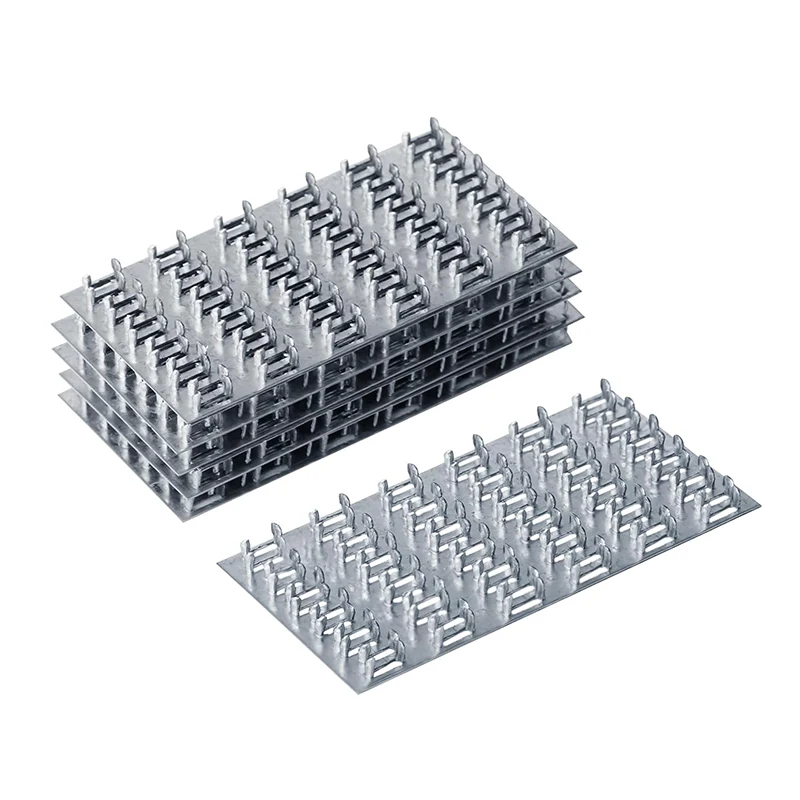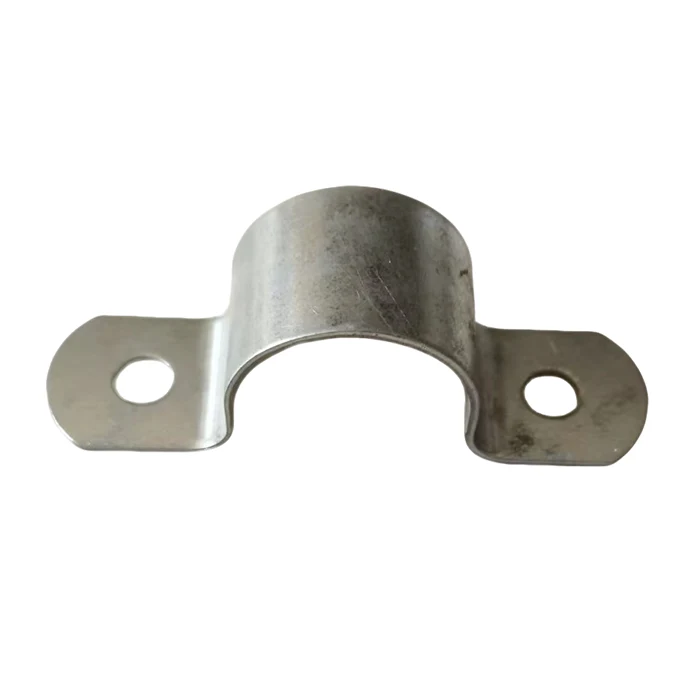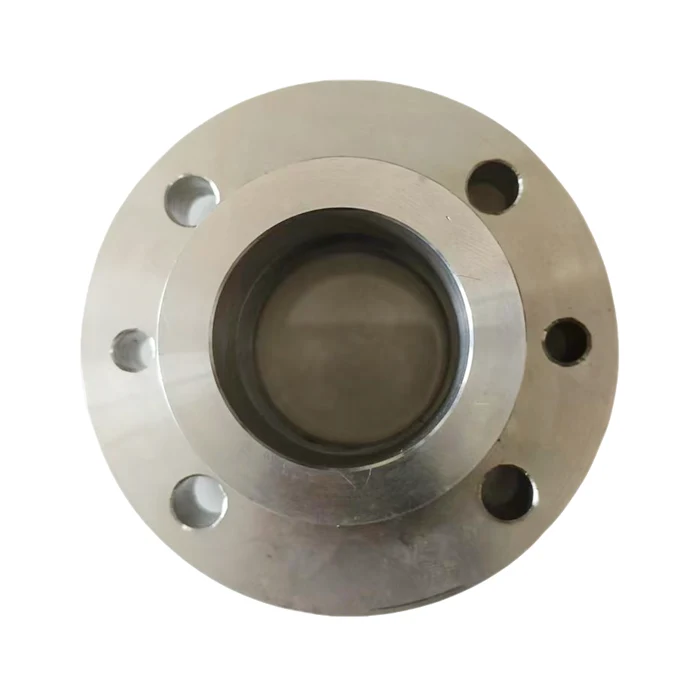

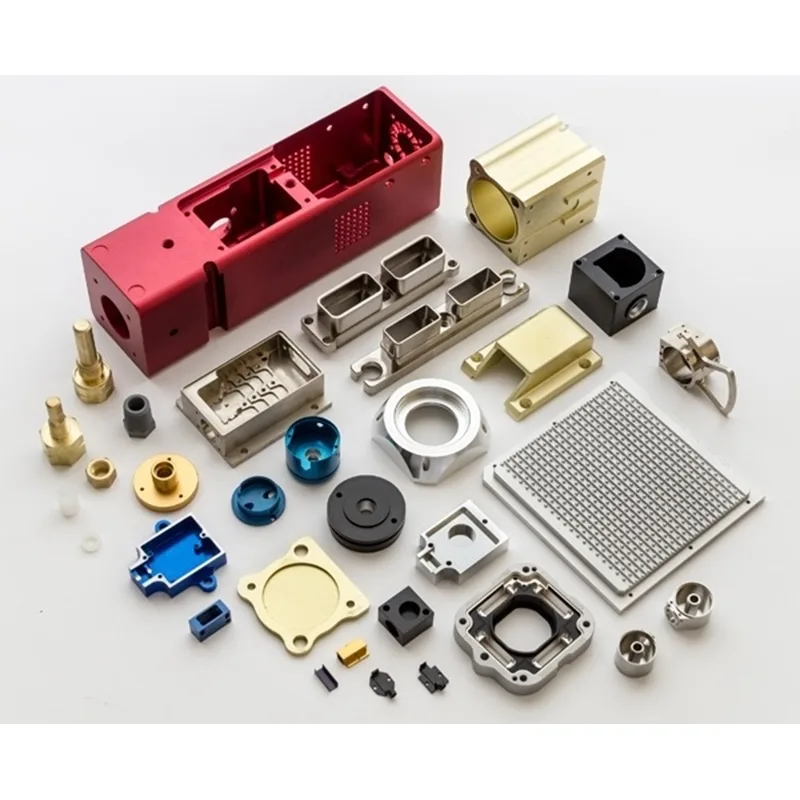
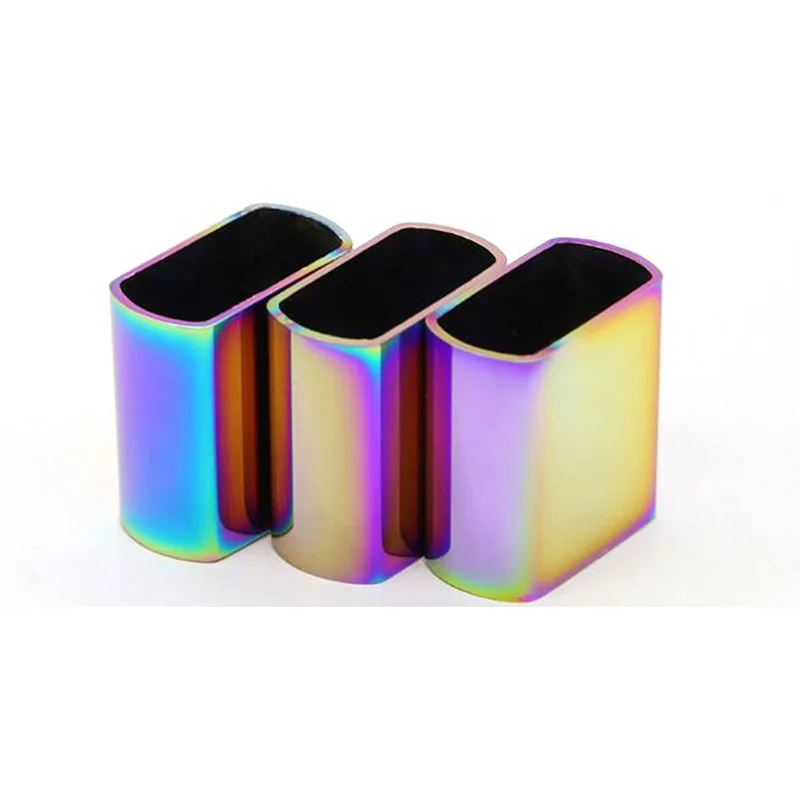
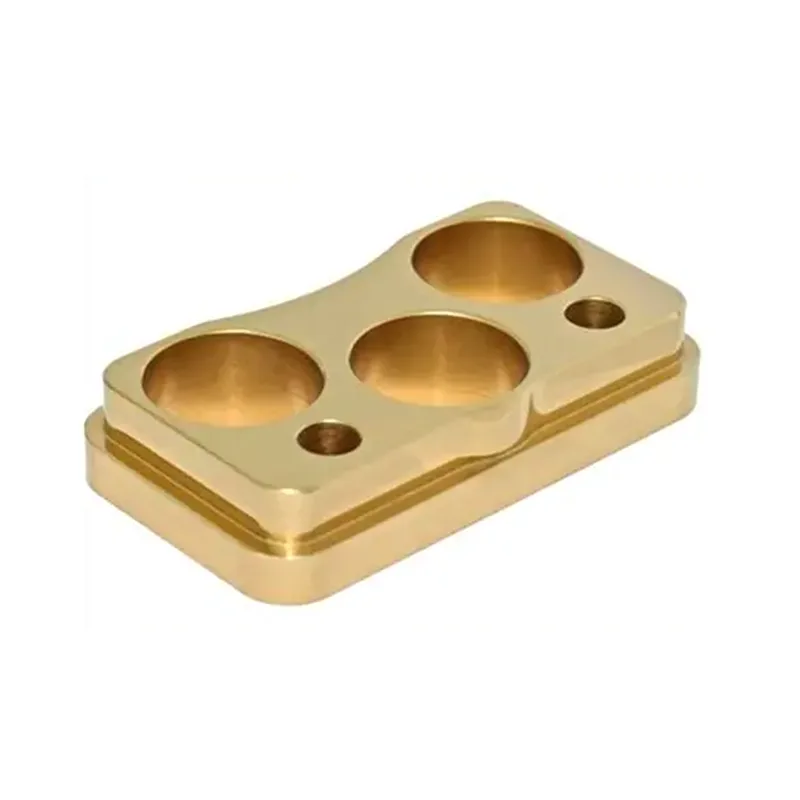
S-SEN Metal, a professional supplier of Plated Coated Parts, leverages advanced surface treatment technology, a rigorous quality control system, and customized service capabilities to provide high-quality, cost-effective coating solutions to various industries worldwide. We have cultivated this field for many years, supported by our professional manufacturing capabilities, integrating multiple core processes such as electroplating, hot-dip galvanizing, and anodizing.
S-SEN Metal specializes in the R&D, production, and sales of plated coated parts. With technological innovation at its core and stable quality as its foundation, we provide global customers with one-stop solutions for plated and coated parts. Our plated coated parts cover a variety of substrates, including stainless steel, aluminum alloy, and steel. We can customize surface treatment processes to suit specific customer applications, and our products are widely used in hardware products, automotive parts, electronic equipment, outdoor facilities, building structures, and many other industries.
As a direct manufacturer, we eliminate intermediaries, achieving end-to-end control from raw material procurement and production to finished product delivery. This ensures the stability of the quality of our plated coated parts and provides customers with more competitive pricing.
1. Electroplating
Through a precise electrolytic process, we deposit a uniform nickel, chromium, or copper plating layer on the surface of metal substrates, effectively improving the corrosion resistance, wear resistance, and surface gloss of plated coated parts. This process is suitable for various substrates such as stainless steel and aluminum alloys. After process optimization, the coating thickness is uniform and consistent, with strong adhesion, meeting the needs of high-precision applications. It is widely used in precision electronic components, hardware accessories, and other products.
2. Hot-Dip Galvanizing
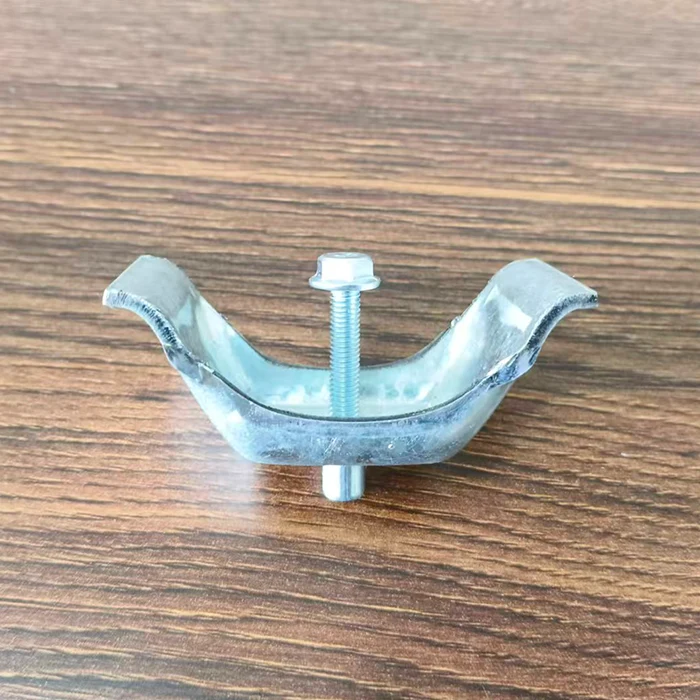
Our hot-dip galvanizing process immerses metal parts in molten zinc at 445℃-450℃, forming a dense zinc-iron alloy layer and a pure zinc surface layer on the substrate. This metallurgical bonding method ensures strong adhesion between the coating and the substrate, providing long-term effective corrosion protection for outdoor hardware and structural steel, suitable for plated coated parts exposed to humid, outdoor environments for extended periods.
3. Anodizing & Electrolytic Coloring
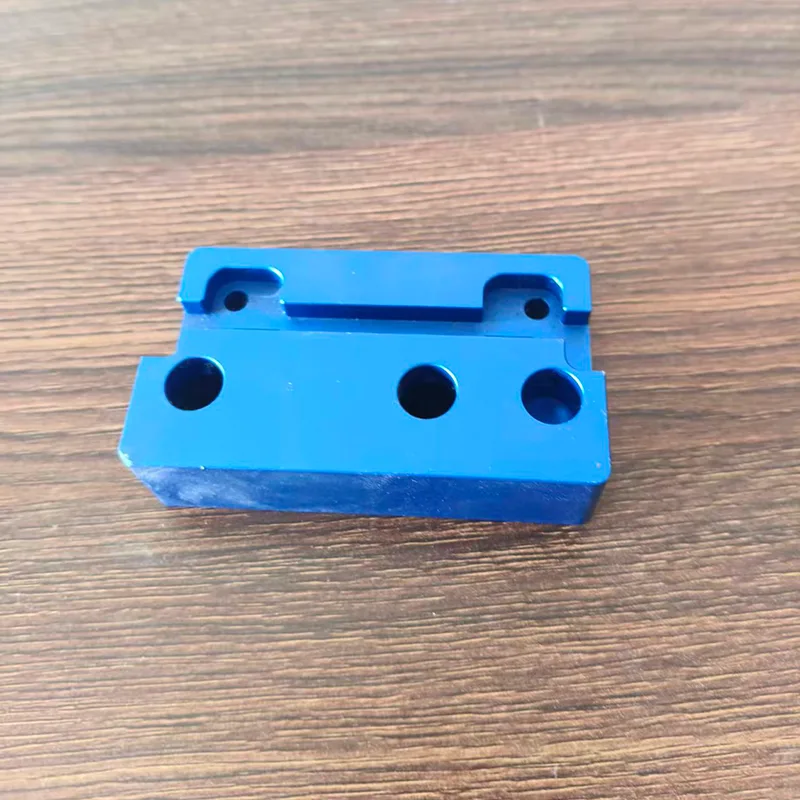
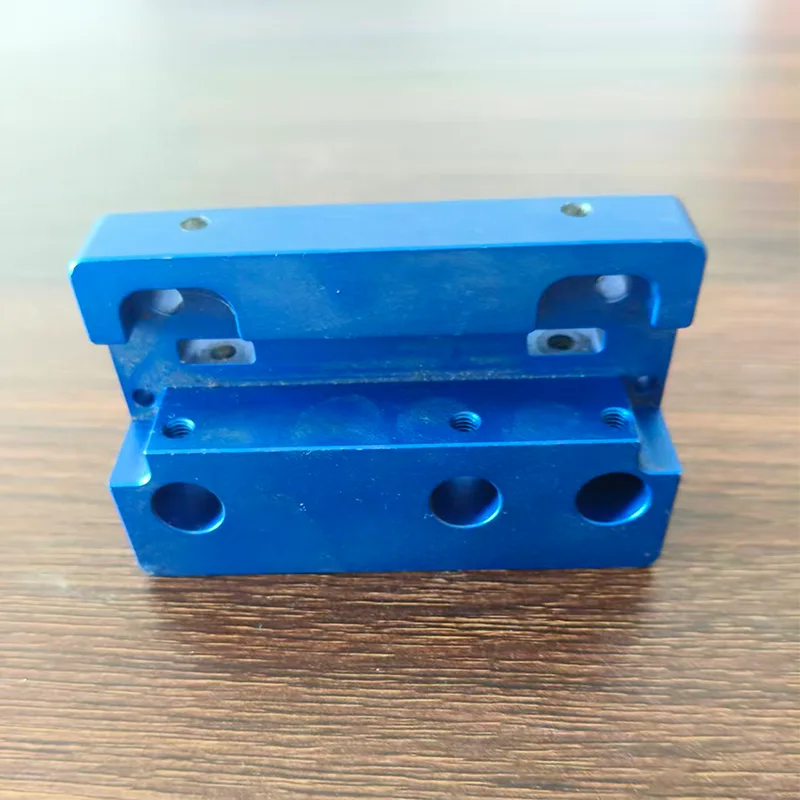
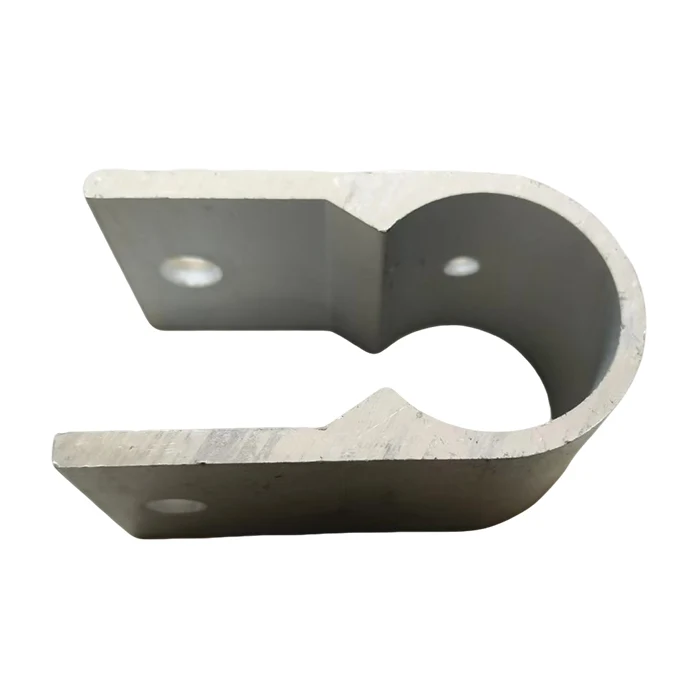
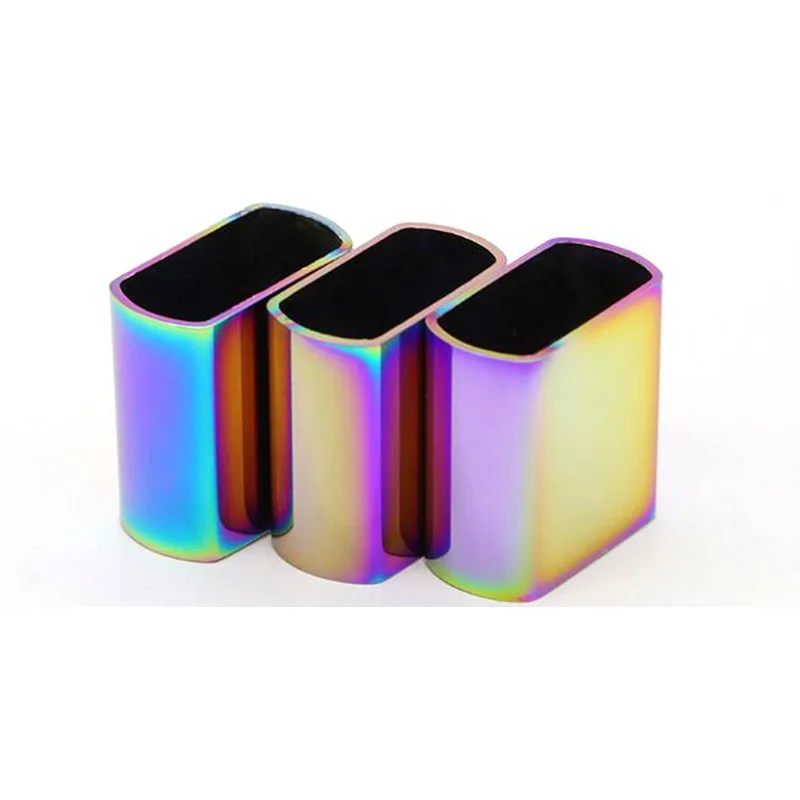
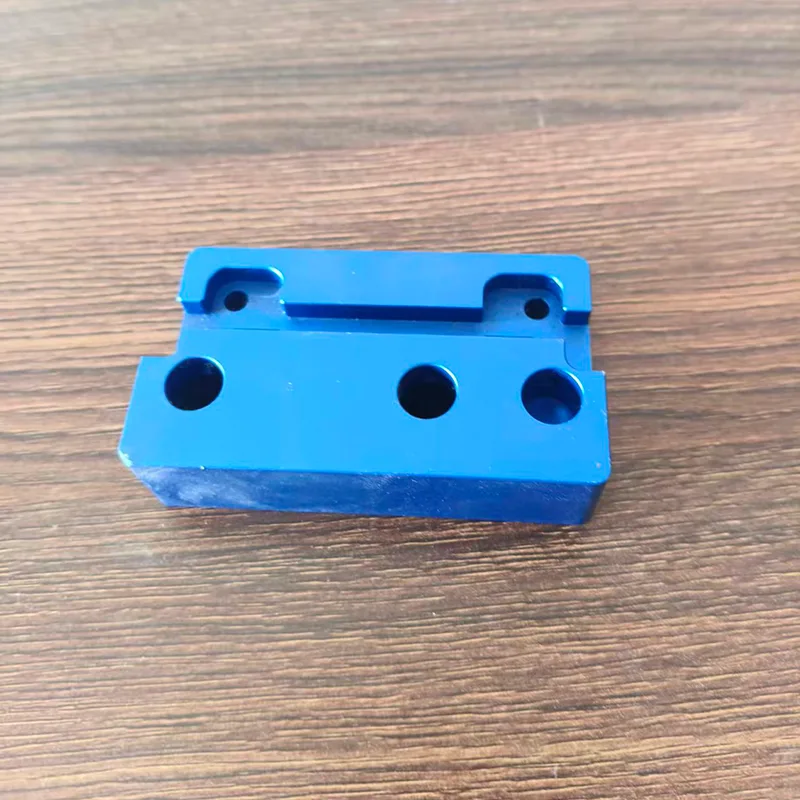
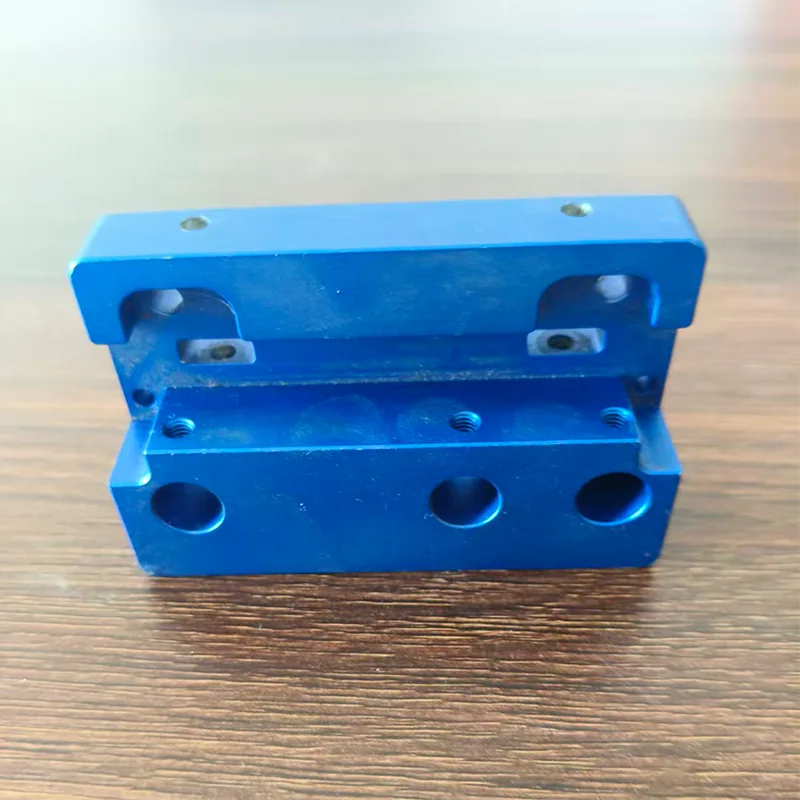
This process is primarily applied to plated coated parts made of aluminum and aluminum alloys. Through an electrochemical reaction, a hard oxide film is formed on the substrate surface, significantly improving the product's corrosion resistance, wear resistance, and insulation properties. The subsequent electrolytic coloring process achieves a stable, fade-resistant appearance with a variety of colors, suitable for automotive trim parts, electronic trim parts, and other products requiring both aesthetics and performance. Depending on the needs, it can be divided into Type II (ordinary anodizing) and Type III (hard anodizing), suitable for decorative and demanding wear-resistant applications, respectively.
1. Blackening Treatment
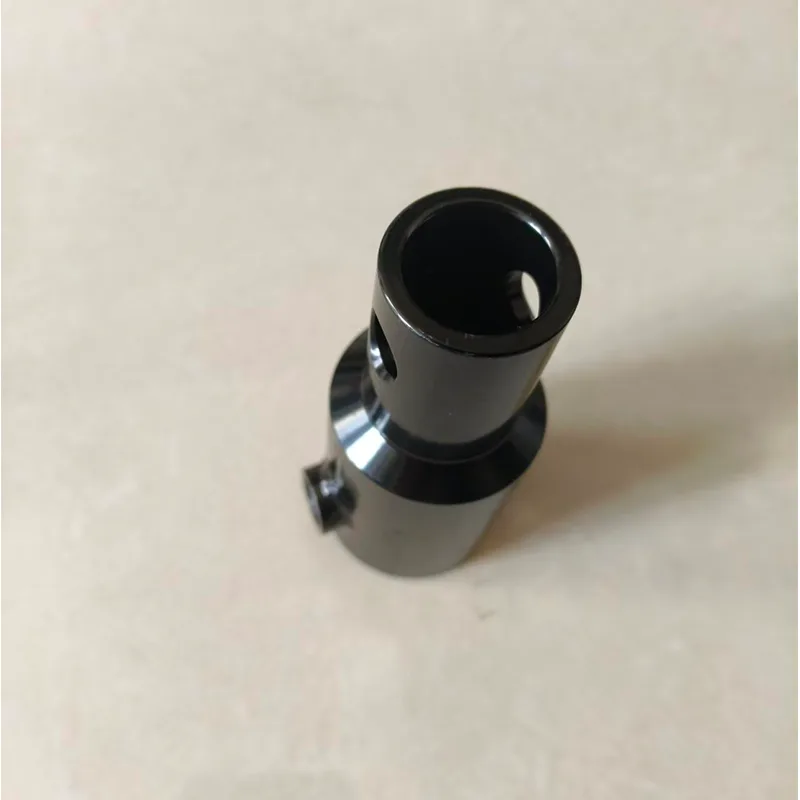
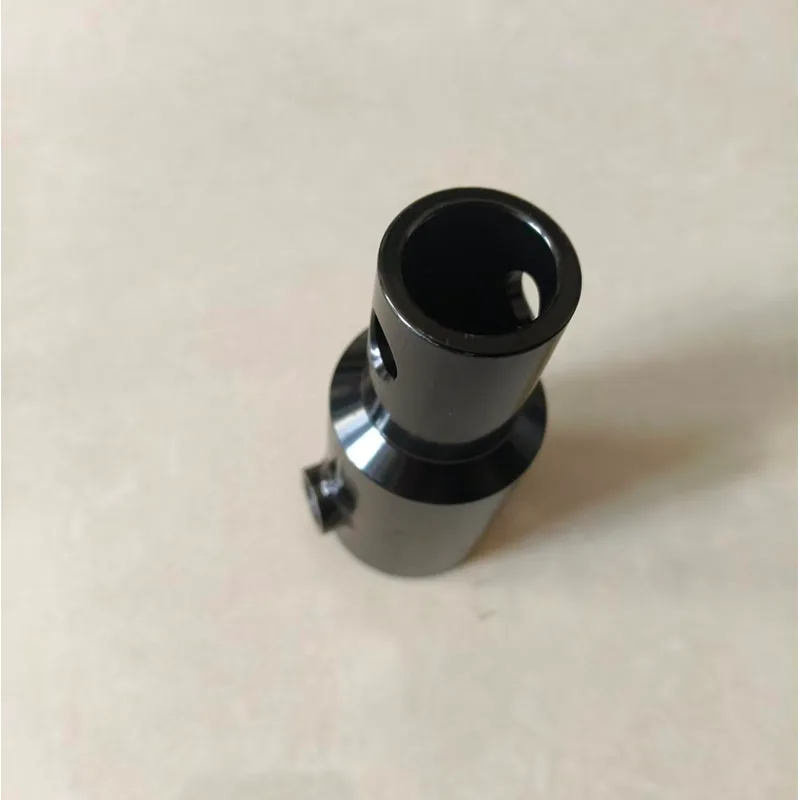
Through a controlled chemical reaction, a black oxide film is formed on the steel surface, providing basic rust protection for plated coated parts while also presenting a simple and sophisticated matte finish. Suitable for applications requiring a low-key appearance, such as mechanical parts and hardware tools.
2. Spraying
This includes both spray painting and powder coating. Spray painting offers a wide range of colors and gloss levels to meet diverse decorative needs; powder coating significantly improves the wear resistance of plated coated parts, providing strong adhesion and resistance to peeling, making it suitable for products with high protective requirements, such as outdoor equipment housings and appliance components. We use professional spraying equipment to ensure a uniform coating free of runs, bubbles, and other defects.
3. Polishing & Brushing
Polishing creates a high-gloss, smooth finish on stainless steel and copper plated coated parts, reducing surface imperfections and facilitating cleaning. Brushing creates fine, thread-like textures on the substrate surface, effectively concealing minor scratches and presenting a unique textured look. This is suitable for decorative plated coated parts made of aluminum alloy and stainless steel, such as furniture hardware and electronic housings.
4. Sandblasting & Electrophoresis
Sandblasting removes impurities and oxide layers from the substrate surface, improving surface roughness and providing a good foundation for subsequent coating adhesion, ensuring that the coating on plated coated parts is not easily peeled off. Electrophoresis, on the other hand, forms a uniform, corrosion-resistant coating on stainless steel and aluminum alloy substrates. The coating is dense and provides excellent protection, making it suitable for precision parts with high corrosion resistance requirements.
| Parameter Item | Specification | Applicable Process | Substrate Material |
|---|---|---|---|
| Coating Thickness | 0.1μm - 50μm (customizable) | Electroplating, Anodizing | Stainless Steel, Aluminum Alloy |
| Hot-Dip Galvanizing Temperature | 445℃ - 450℃ | Hot-Dip Galvanizing | Steel |
| Anodizing Film Thickness | Type II: 10-15μm; Type III: 35-50μm | Anodizing & Electrolytic Coloring | Aluminum Alloy |
| Spray Coating Thickness | 50μm - 150μm (adjustable) | Spraying (Painting, Powder Coating) | Steel, Aluminum Alloy, Stainless Steel |
| Corrosion Resistance | Neutral Salt Spray Test: ≥48h (customizable to ≥720h) | All Processes | All Applicable Substrates |
| Surface Roughness (Ra) | 0.1μm - 1.6μm (adjustable) | Polishing, Brushing, Sandblasting | Stainless Steel, Aluminum Alloy, Copper |