
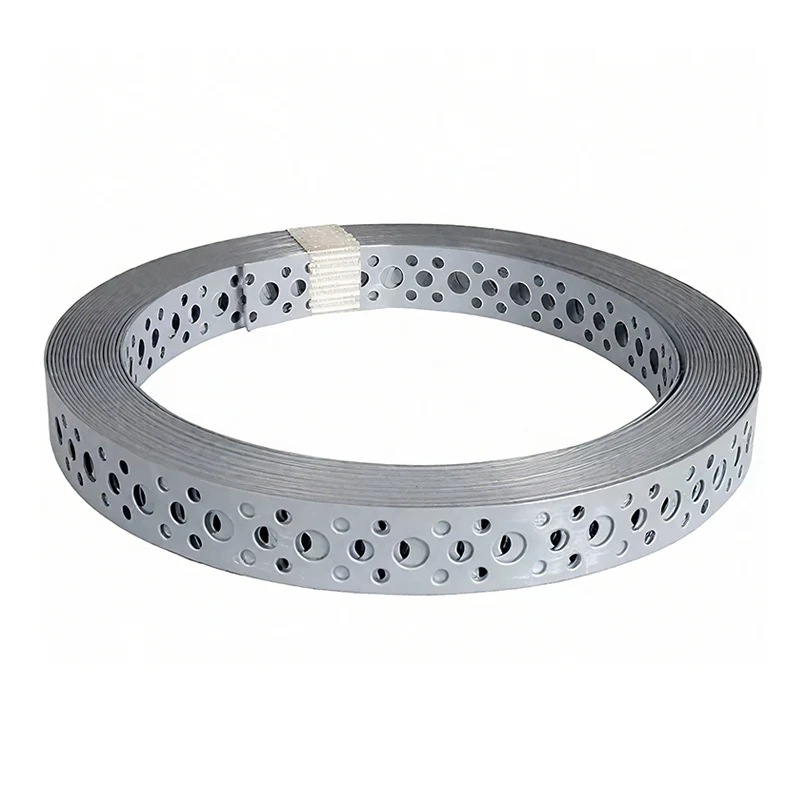
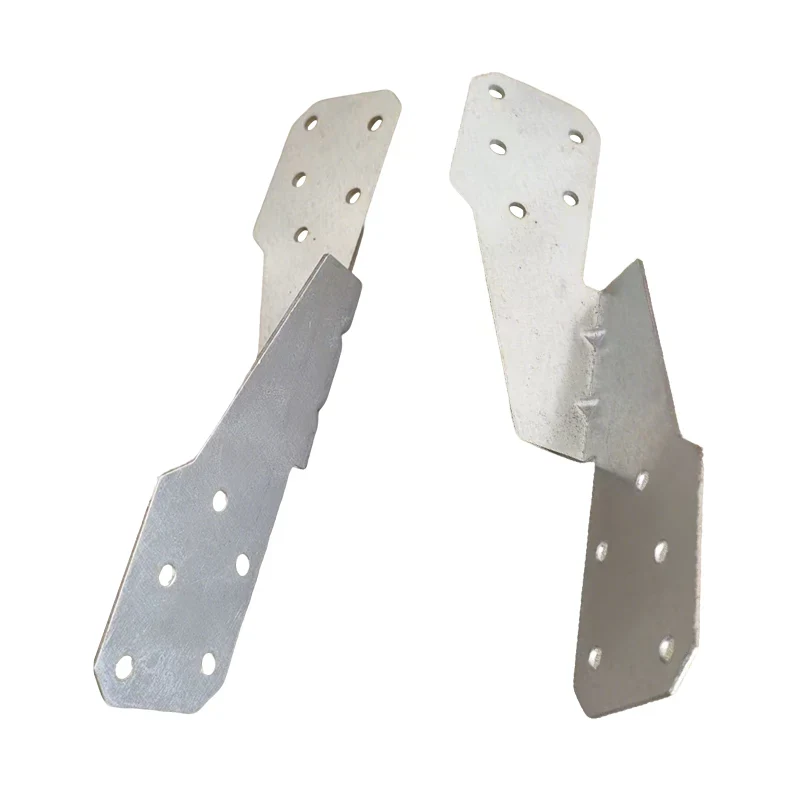
In modern wood construction, structural integrity is critical, especially in regions exposed to high winds, hurricanes, storms, and seismic activities. Timber Connector Heavy Hurricane Ties play a vital role in reinforcing wood framing systems by creating strong mechanical connections between rafters, trusses, beams, and wall structures. These specialized connectors help transfer uplift, lateral, and downward loads efficiently, preventing structural failures during extreme weather conditions.
This comprehensive guide explores the purpose, benefits, installation methods, applications, and selection criteria of Timber Connector Heavy Hurricane Ties. Whether you are a builder, contractor, architect, engineer, or homeowner, understanding these connectors can significantly improve building safety and compliance with modern construction standards.
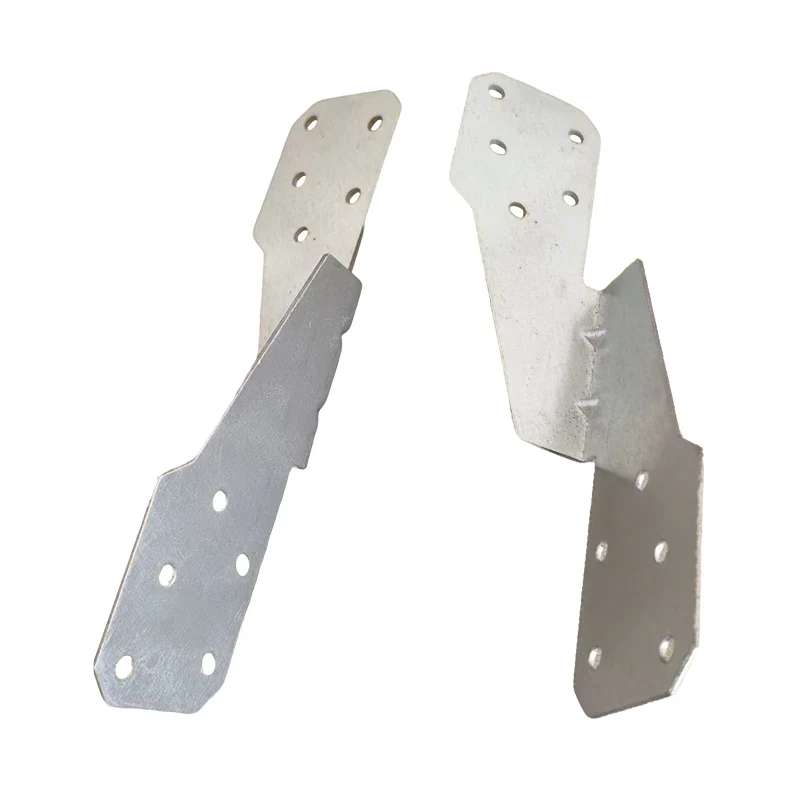
Table of Contents
- What Are Timber Connector Heavy Hurricane Ties?
- Why Are Heavy Hurricane Ties Important?
- How Do Hurricane Ties Work?
- Common Applications
- Major Benefits
- Materials and Manufacturing
- How to Choose the Right Hurricane Tie
- Installation Best Practices
- Comparison Table of Connector Types
- Future Trends in Timber Connectors
- Frequently Asked Questions
- Conclusion
What Are Timber Connector Heavy Hurricane Ties?
Timber Connector Heavy Hurricane Ties are engineered metal connectors specifically designed to secure wood framing components together. Their primary purpose is to resist uplift forces generated by strong winds, hurricanes, cyclones, and other extreme environmental conditions.
Unlike traditional nailing methods, these connectors create a positive load path throughout the structure, ensuring that forces are transferred safely from the roof system down to the foundation. This significantly enhances structural stability and reduces the risk of roof separation or collapse.
Manufacturers such as Shengsen provide high-quality Timber Connector Heavy Hurricane Ties designed to meet modern engineering and building code requirements.
Why Are Heavy Hurricane Ties Important?
Severe weather events continue to increase worldwide, making structural reinforcement more important than ever. During hurricanes or high-wind events, uplift pressure can literally pull a roof away from a building.
Timber Connector Heavy Hurricane Ties help prevent such failures by:
- Securing roof trusses and rafters to wall framing.
- Reducing uplift forces caused by wind pressure.
- Improving lateral load resistance.
- Maintaining continuous structural load paths.
- Enhancing overall building durability.
- Meeting local building code requirements.
Without properly installed hurricane ties, even well-built wooden structures may become vulnerable during severe storms.
How Do Hurricane Ties Work?
The working principle behind Timber Connector Heavy Hurricane Ties is relatively simple yet highly effective.
When strong winds create uplift forces on a roof, these forces attempt to separate rafters or trusses from supporting walls. Hurricane ties provide a mechanical connection that resists this movement.
The load transfer process typically follows these steps:
- Wind pressure acts on the roof.
- Uplift forces are generated.
- Heavy hurricane ties anchor roof members to wall systems.
- Loads transfer through structural framing.
- Forces eventually dissipate into the building foundation.
This continuous load path is a key principle in modern structural engineering.
Common Applications
Timber Connector Heavy Hurricane Ties are widely used across residential, commercial, and industrial projects.
Residential Construction
- Single-family homes
- Multi-story houses
- Townhouses
- Vacation cabins
Commercial Buildings
- Warehouses
- Retail facilities
- Educational buildings
- Office structures
Agricultural Structures
- Barns
- Storage sheds
- Livestock facilities
Outdoor Structures
- Pergolas
- Gazebos
- Deck roofs
- Pavilions
Major Benefits of Timber Connector Heavy Hurricane Ties
1. Superior Wind Resistance
The most significant advantage is the ability to resist high wind uplift forces. This protection is especially important in coastal and hurricane-prone regions.
2. Enhanced Structural Safety
Stronger connections reduce the likelihood of catastrophic structural failures during storms.
3. Improved Building Code Compliance
Most modern construction codes require hurricane-resistant connectors in designated wind zones.
4. Long-Term Durability
Properly galvanized or stainless-steel connectors offer excellent corrosion resistance and long service life.
5. Cost-Effective Protection
Compared to potential repair costs after storm damage, Timber Connector Heavy Hurricane Ties provide exceptional value.
6. Increased Property Value
Buildings with reinforced structural systems often have greater market appeal and insurance advantages.
Materials and Manufacturing
The performance of Timber Connector Heavy Hurricane Ties largely depends on material quality and manufacturing precision.
| Material Type | Main Characteristics | Recommended Environment |
|---|---|---|
| Galvanized Steel | High strength and corrosion resistance | General outdoor applications |
| Hot-Dip Galvanized Steel | Enhanced rust protection | High humidity areas |
| Stainless Steel | Maximum corrosion resistance | Coastal environments |
| Structural Steel | Excellent load capacity | Heavy-duty construction |
Shengsen utilizes advanced fabrication processes to ensure precise dimensions, consistent quality, and reliable structural performance.
How to Choose the Right Hurricane Tie
Selecting the correct Timber Connector Heavy Hurricane Ties requires evaluating multiple factors.
- Expected wind load requirements.
- Building height and roof design.
- Type of timber framing.
- Local building regulations.
- Environmental exposure conditions.
- Connector load ratings.
- Corrosion protection requirements.
Consulting structural engineers and experienced manufacturers like Shengsen can help ensure the proper connector is selected for each project.
Installation Best Practices
Even the strongest hurricane tie will underperform if improperly installed.
Installation Guidelines
- Verify connector compatibility with framing members.
- Use only approved fasteners.
- Fill all designated nail or screw holes.
- Follow manufacturer installation instructions.
- Inspect alignment before fastening.
- Perform final quality checks after installation.
Common Mistakes to Avoid
- Using incorrect fastener sizes.
- Leaving holes unfilled.
- Installing connectors upside down.
- Mixing incompatible metals.
- Ignoring corrosion protection requirements.
Comparison Table of Timber Connector Solutions
| Connector Type | Primary Function | Load Capacity | Typical Use |
|---|---|---|---|
| Heavy Hurricane Tie | Wind uplift resistance | Very High | Roof-to-wall connections |
| Angle Bracket | Corner reinforcement | Medium | Framing joints |
| Joist Hanger | Joist support | High | Floor systems |
| Post Base | Column anchoring | High | Decks and pergolas |
| Strap Tie | Load transfer | Medium-High | Wall reinforcement |
Future Trends in Timber Connectors
As sustainable construction and engineered wood products continue to gain popularity, the demand for advanced structural connectors is growing rapidly.
Emerging trends include:
- Higher-strength steel formulations.
- Enhanced corrosion-resistant coatings.
- Smart monitoring technologies.
- Building Information Modeling (BIM) integration.
- Improved seismic and wind-resistant connector designs.
- Sustainable manufacturing processes.
Timber Connector Heavy Hurricane Ties will continue to play a critical role in future resilient building systems.
Frequently Asked Questions
What are Timber Connector Heavy Hurricane Ties used for?
They are designed to connect roof framing members to wall structures and resist uplift forces generated by high winds and hurricanes.
Are hurricane ties required by building codes?
In many wind-prone regions, building codes require hurricane ties or equivalent structural connectors to ensure safety and compliance.
Can hurricane ties be installed on existing buildings?
Yes. Retrofitting existing structures with Timber Connector Heavy Hurricane Ties is a common method of improving storm resistance.
Which material is best for coastal environments?
Stainless steel connectors generally provide the highest level of corrosion resistance for coastal and marine applications.
Do all holes need to be filled during installation?
Yes. Filling all specified fastener holes is typically necessary to achieve the connector's rated load capacity.
Why choose Shengsen Timber Connector Heavy Hurricane Ties?
Shengsen offers precision-manufactured connectors with reliable performance, durable materials, strict quality control, and solutions tailored to modern timber construction requirements.
Conclusion
Timber Connector Heavy Hurricane Ties are among the most important structural reinforcement components used in modern timber construction. They provide essential protection against uplift forces, improve building resilience, support code compliance, and enhance long-term structural safety. Whether for residential homes, commercial buildings, agricultural facilities, or outdoor structures, investing in high-quality hurricane ties helps safeguard both property and occupants.
Looking for dependable Timber Connector Heavy Hurricane Ties that deliver superior strength, durability, and engineering performance? Shengsen provides professional manufacturing solutions designed to meet the demanding requirements of modern construction projects. Contact us today to learn more about our complete range of timber connectors, receive expert technical support, and discover how our products can strengthen your next building project.