Article Summary: Heavy timber structural connectors play a crucial role in ensuring the safety, durability, and performance of modern timber structures. As timber construction gains popularity worldwide due to sustainability and aesthetic appeal, the importance of reliable connection systems becomes even more significant. This article explores the types, applications, benefits, and selection criteria of heavy timber structural connectors, helping engineers, architects, and builders make informed decisions.
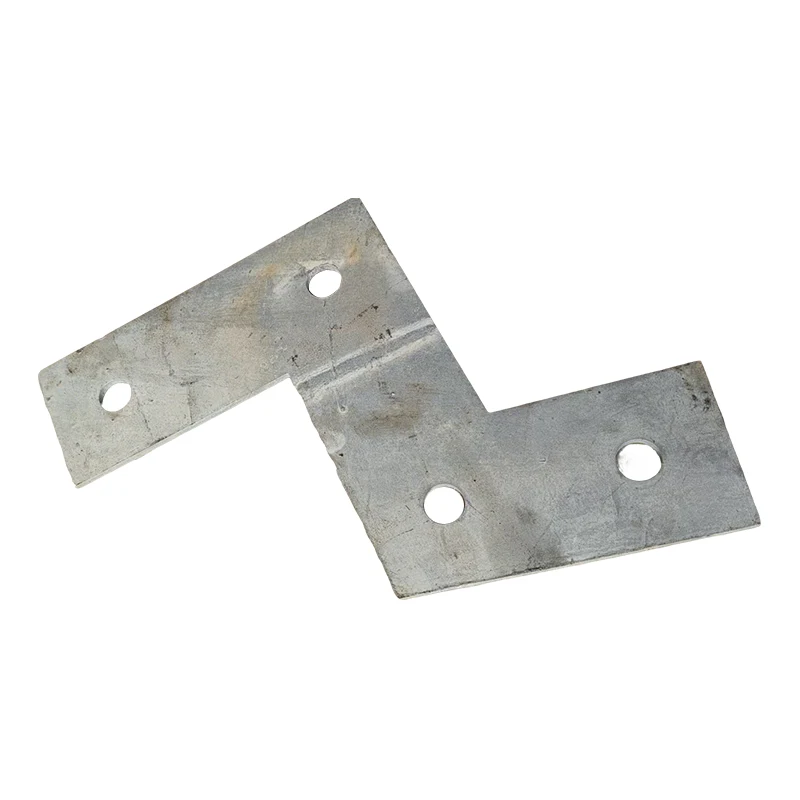
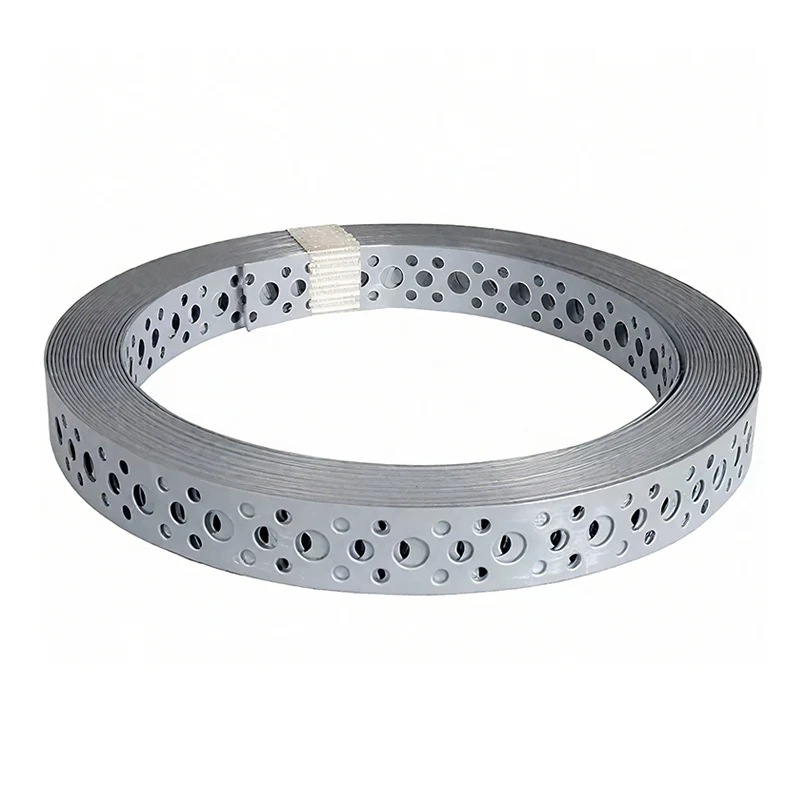
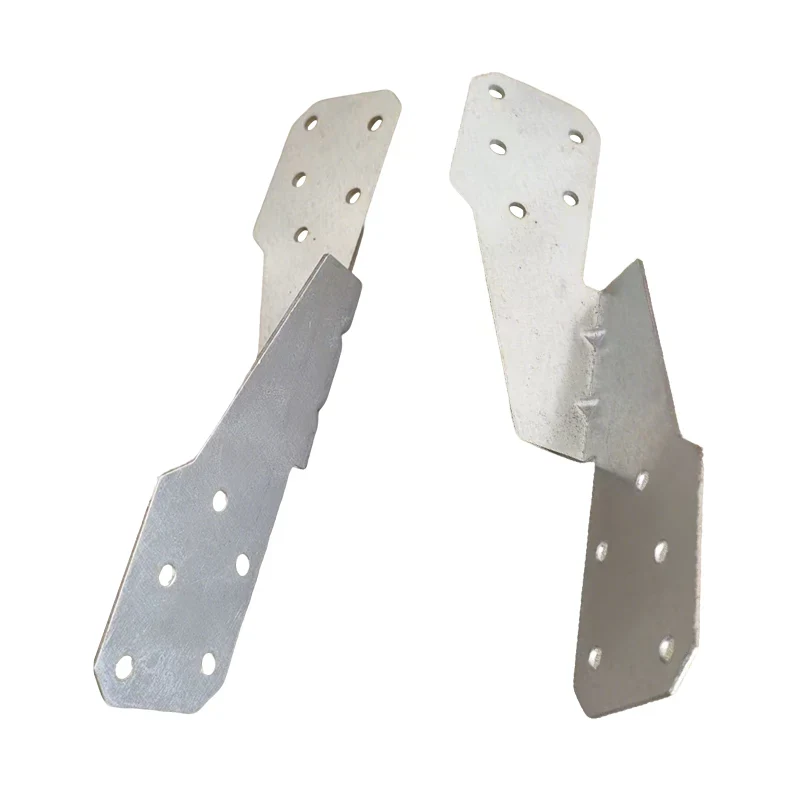
Heavy timber structural connectors are engineered hardware components designed to join large timber elements such as beams, columns, and trusses. These connectors ensure that loads are safely transferred across structural members, maintaining stability and integrity.
Unlike light framing connectors, heavy timber connectors are built to handle significantly higher loads, including axial, shear, and lateral forces. They are commonly used in mass timber systems such as:
Structural connectors are the backbone of any timber construction system. Without proper connections, even the strongest timber elements can fail.
Key reasons why connectors are essential:
Modern building codes increasingly require certified connectors to meet safety and compliance standards.
There are several types of connectors designed for specific structural needs. Each type offers unique advantages depending on the application.
The performance of structural connectors largely depends on the materials used in their manufacturing.
S-SEN offers connectors manufactured with premium-grade materials to ensure long-term performance and compliance with international standards.
Heavy timber structural connectors are widely used across various construction sectors.
With the rise of sustainable construction, mass timber buildings are becoming increasingly popular, further driving demand for high-performance connectors.
Choosing high-quality connectors provides numerous benefits:
Brands like S-SEN focus on delivering engineered solutions that combine safety with efficiency.
Selecting the appropriate connector is critical for project success.
Consider the following factors:
Consulting with structural engineers and using certified products from trusted suppliers like S-SEN ensures optimal performance.
| Connector Type | Application | Load Capacity | Visibility |
|---|---|---|---|
| Beam-to-Column | Main structural joints | High | Visible |
| Post Base | Foundation anchoring | High | Visible |
| Hanger | Beam support | Medium to High | Visible |
| Tie-Down | Uplift resistance | Very High | Visible |
| Concealed Connector | Architectural design | Medium | Hidden |
Proper installation is essential to maximize the performance of structural connectors.
Incorrect installation can compromise the entire structure, regardless of connector quality.
The timber construction industry is evolving rapidly, and connector technology is advancing alongside it.
S-SEN continues to innovate in this field, offering cutting-edge solutions tailored to modern construction needs.
They connect timber elements and ensure safe load transfer, improving structural stability and safety.
Yes, especially when made from galvanized or stainless steel materials designed to resist corrosion.
Consider load requirements, environmental conditions, and compliance standards, and consult professionals if needed.
Yes, concealed connectors are specifically designed for architectural applications where appearance matters.
S-SEN provides high-quality, engineered solutions that meet international standards and deliver reliable performance.
Heavy timber structural connectors are indispensable in modern timber construction. From ensuring structural safety to enhancing design flexibility, these components play a vital role in building durable and sustainable structures.
By selecting high-quality connectors and following best practices, builders and engineers can achieve superior performance and long-term reliability.
If you are looking for premium heavy timber structural connectors tailored to your project needs, S-SEN offers a wide range of innovative solutions. Contact us today to learn more about how we can support your construction projects with reliable and high-performance connector systems.