Article Summary: Timber Connector Strip Nail Plate is a high-performance structural fastening solution designed to reinforce timber connections in roof trusses, wooden frames, and prefabricated construction systems. Manufactured with precision engineering, S-SEN provides durable connector solutions that help improve load distribution, connection stability, and construction efficiency for global building projects.
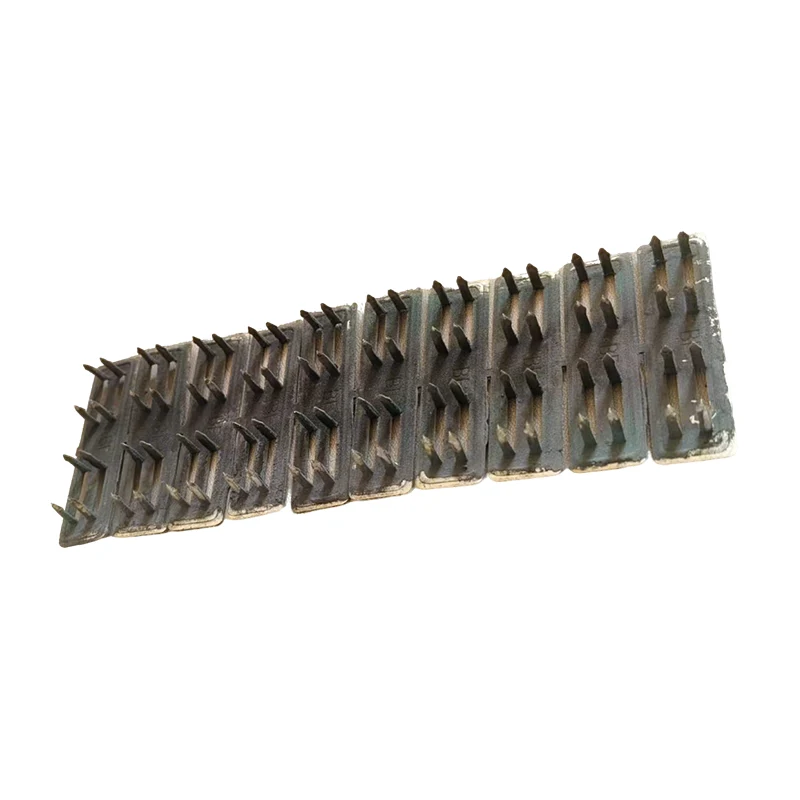
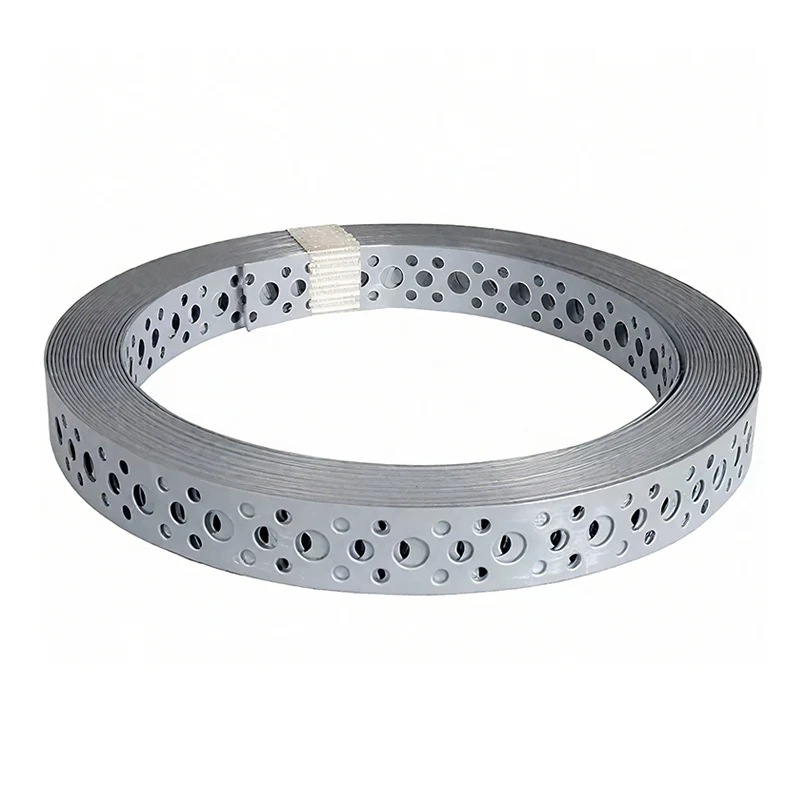
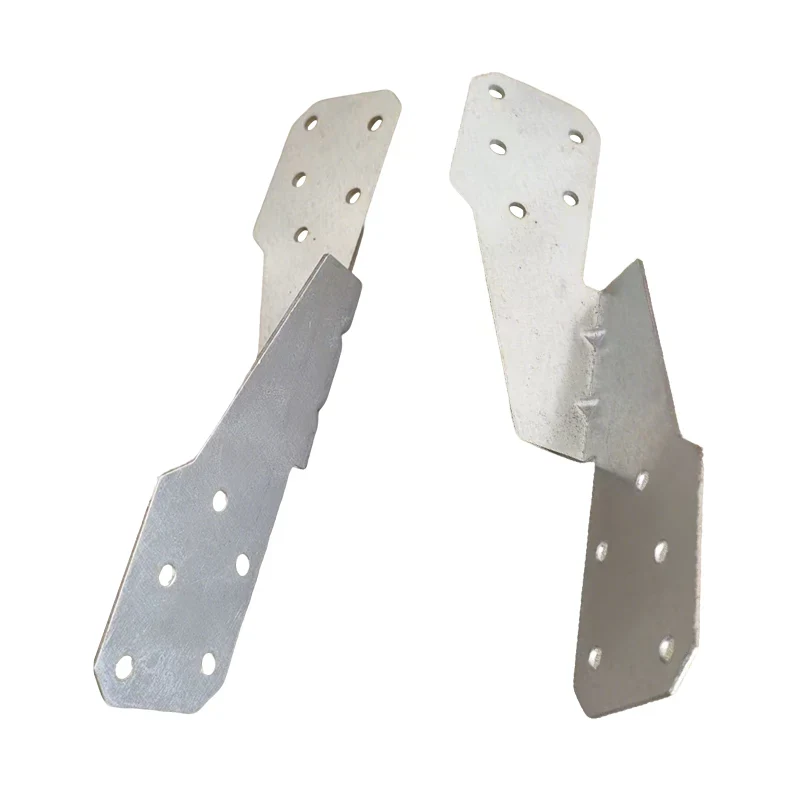
A Timber Connector Strip Nail Plate is a specialized metal fastening component widely used in timber engineering and wood construction. It consists of a galvanized steel plate with precisely manufactured nail teeth or punched spikes that penetrate wooden components to create strong and stable connections. Unlike traditional nails or screws, this connector distributes force across a larger surface area, improving the overall structural performance of timber assemblies.
With the increasing demand for sustainable construction and prefabricated timber structures, reliable connection systems have become essential. Timber structures often experience tension, compression, and shear forces during long-term operation. A high-quality connector plate helps transfer these forces efficiently while reducing the risk of joint failure.
S-SEN specializes in manufacturing precision metal fabrication products, including Timber Connector Strip Nail Plate solutions designed for professional construction applications. Through advanced production processes and strict quality control, these connector plates provide consistent dimensions, excellent durability, and dependable performance for various timber projects.
The connection points between timber components determine the strength and safety of a wooden structure. Even when high-grade wood materials are used, weak joints may reduce the overall stability of the building. Timber Connector Strip Nail Plate creates reinforced connections by locking multiple timber pieces together with evenly distributed fastening points.
The importance of this product can be explained through several key factors:
For modern timber engineering, selecting a reliable connector system is not only about fastening two pieces of wood together but also about ensuring structural safety throughout the service life of the building.
| Feature | Benefits | Application Value |
|---|---|---|
| High-strength steel construction | Provides excellent mechanical strength and durability | Suitable for heavy-duty timber structures |
| Precision nail arrangement | Ensures stable penetration and reliable fastening | Improves joint consistency during installation |
| Corrosion-resistant coating | Protects against moisture and environmental impact | Extends service life in different climates |
| Customized dimensions | Supports different timber connection requirements | Suitable for customized construction solutions |
Compared with conventional connection methods, Timber Connector Strip Nail Plate offers a more efficient solution for industrial timber manufacturing. It reduces dependence on complex fastening procedures while maintaining reliable structural performance.
Timber Connector Strip Nail Plate is widely used in residential, commercial, and industrial wood construction. Its versatility makes it suitable for both traditional timber framing and modern prefabricated building systems.
Because timber construction requirements vary between regions and projects, manufacturers usually provide different sizes, thicknesses, and configurations to meet specific engineering standards.
The production quality of Timber Connector Strip Nail Plate directly affects its final performance. Professional manufacturers typically use controlled manufacturing processes to ensure accuracy and durability.
The main production steps include:
Manufacturers focusing on precision fabrication can provide connector plates with stable quality, helping customers achieve safer and more reliable timber structures.
| Parameter | Typical Performance | Importance |
|---|---|---|
| Material | Galvanized steel | Provides strength and corrosion resistance |
| Plate Thickness | Customized according to project requirements | Determines load capacity and durability |
| Surface Treatment | Galvanized coating or protective finish | Improves environmental resistance |
| Production Accuracy | High precision manufacturing control | Ensures reliable installation performance |
The exact specifications of Timber Connector Strip Nail Plate may vary depending on structural design requirements, timber dimensions, and regional construction standards. Professional suppliers usually provide customized solutions according to customer needs.
Correct installation is essential to achieve the designed performance of timber connectors. Improper installation may reduce connection strength and affect structural safety.
For large-scale timber manufacturing projects, cooperation with an experienced supplier can help ensure product compatibility, quality consistency, and technical support.
Most Timber Connector Strip Nail Plate products are manufactured from high-strength steel with galvanized or protective surface treatments. These materials provide excellent strength, corrosion resistance, and long-term reliability.
Yes. Professional manufacturers can customize dimensions, thickness, hole patterns, and surface treatments according to different timber construction requirements and engineering specifications.
Yes, galvanized versions are commonly used in environments where moisture resistance is required. However, the final selection should consider climate conditions and project requirements.
Compared with individual nails or screws, connector plates provide wider load distribution, stronger joint reinforcement, and more efficient installation for timber structures.
Timber Connector Strip Nail Plate plays an important role in improving the strength, stability, and durability of modern timber structures. From roof trusses and wooden frames to prefabricated buildings, this precision-engineered connector solution helps create safer and more efficient construction systems. Choosing a reliable manufacturer with advanced fabrication capabilities ensures consistent quality and dependable performance for every project.
If you are looking for durable Timber Connector Strip Nail Plate solutions with customized specifications and professional manufacturing support, S-SEN is ready to provide reliable products and technical assistance. Please contact us today to discuss your timber connection requirements and find the right solution for your construction projects.