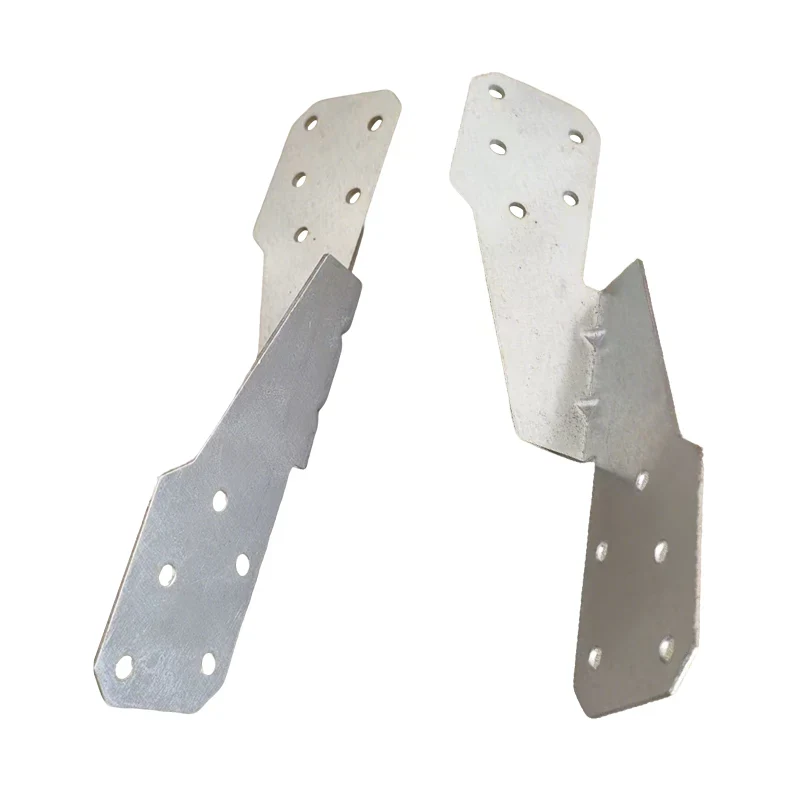
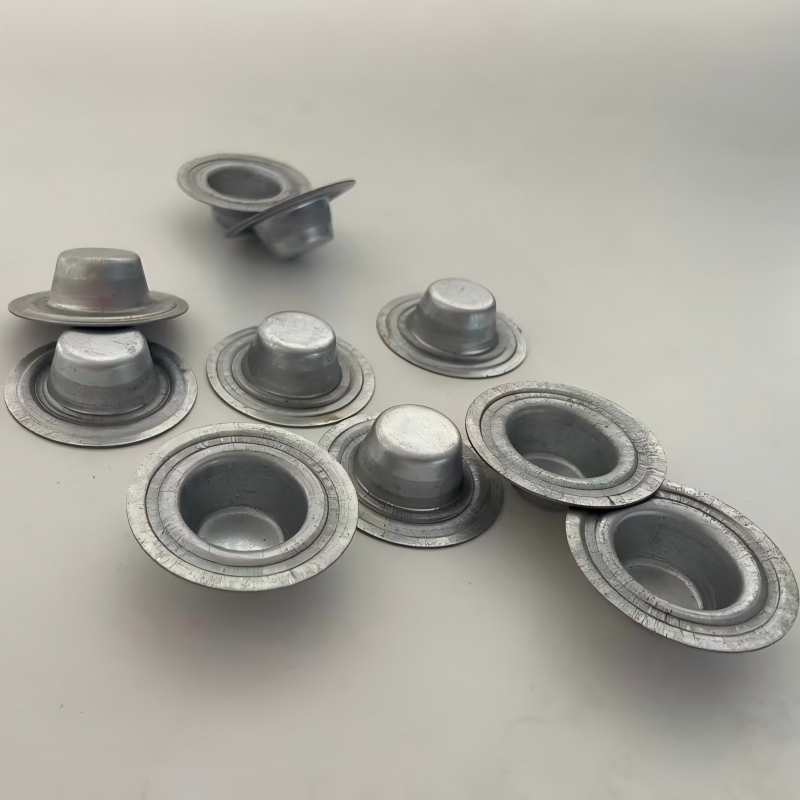
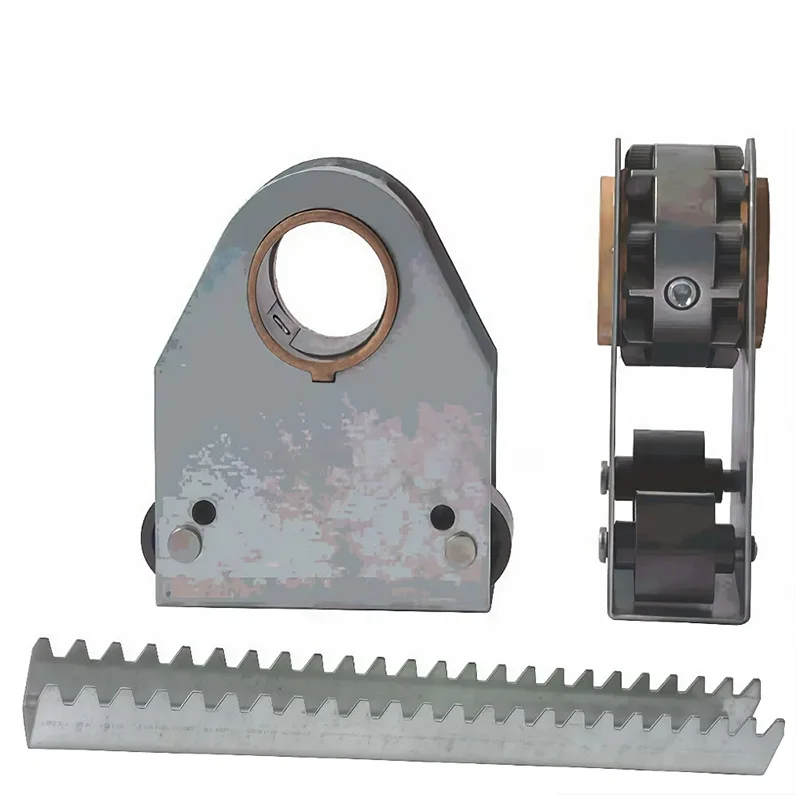
Timber construction continues to gain popularity worldwide due to its sustainability, flexibility, and structural efficiency. One often overlooked yet critical component in timber structures is the Timber Connector Reinforced Strap Tie. This comprehensive guide explores what timber connector reinforced strap ties are, why they are vital for structural integrity, how they work, their specifications, applications, and how to choose the right type for your project. Written from an engineering and manufacturing perspective, this article aligns with Google EEAT principles and provides authoritative, practical insights for builders, contractors, engineers, and procurement professionals.
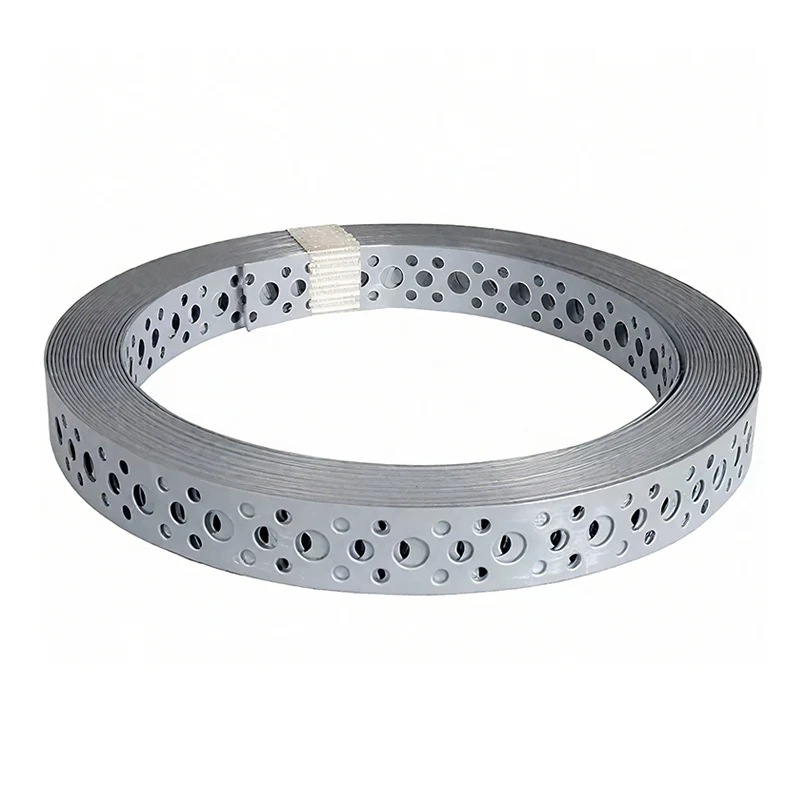
Timber Connector Reinforced Strap Ties are metal connectors designed to provide high-strength connections between timber members. Unlike traditional nails or screws, reinforced strap ties distribute loads over a larger surface area, significantly reducing the risk of timber splitting or joint failure.
These connectors are typically long, flat metal straps with pre-punched holes, reinforced ribs, or flanges that enhance tensile strength. They are widely used to connect beams, joists, rafters, wall plates, and other structural timber components in residential, commercial, and industrial buildings.
Structural failures often occur at connection points rather than within the timber itself. Timber connector reinforced strap ties address this vulnerability by:
In high-risk environments such as hurricane-prone or seismic zones, reinforced strap ties are not optional—they are a structural necessity.
Timber connector reinforced strap ties function by mechanically binding two or more timber elements together using engineered metal reinforcement. When loads such as tension, shear, or uplift are applied, the strap tie distributes these forces evenly across multiple fasteners and along the length of the connector.
This distribution minimizes localized stress concentrations, which is a common cause of timber joint failure. The reinforced design ensures higher tensile performance compared to standard flat straps.
There are several variations of timber connector reinforced strap ties, each designed for specific structural needs:
Manufacturers like Cangzhou Shengsen Metal Products Co., Ltd. often provide customization options to meet project-specific requirements.
The performance and durability of timber connector reinforced strap ties depend heavily on material selection and surface treatment.
| Material | Advantages | Typical Use |
|---|---|---|
| Carbon Steel | High strength, cost-effective | General construction |
| Galvanized Steel | Corrosion resistance | Outdoor and humid environments |
| Stainless Steel | Excellent corrosion resistance | Marine or coastal projects |
Common coatings include hot-dip galvanization, electro-galvanization, and zinc-aluminum alloy coatings to extend service life.
Installation is straightforward but must follow engineering guidelines:
Proper installation is critical—incorrect fastener type or spacing can significantly reduce performance.
Technical specifications vary by design and manufacturer, but typically include:
Always refer to manufacturer test reports and compliance certificates for precise load data.
Timber connector reinforced strap ties are widely used in:
They play a critical role in modern engineered timber systems such as CLT and glulam construction.
Choosing a reputable manufacturer ensures product consistency, compliance, and long-term performance. Cangzhou Shengsen Metal Products Co., Ltd. specializes in manufacturing high-quality timber connector reinforced strap ties with strict quality control, advanced production equipment, and international export experience.
Reliable manufacturers provide:
Q: What is the main purpose of a timber connector reinforced strap tie?
A: The main purpose is to strengthen timber joints by providing high tensile resistance and reliable load transfer, especially against uplift and lateral forces.
Q: Are timber connector reinforced strap ties required by building codes?
A: In many regions, building codes require reinforced connectors in structural timber applications, particularly in seismic or high-wind zones.
Q: Can reinforced strap ties be used outdoors?
A: Yes, when manufactured with galvanized or stainless steel coatings, they are suitable for outdoor and high-humidity environments.
Q: How do reinforced strap ties differ from standard metal straps?
A: Reinforced strap ties include structural ribs or thicker material, providing significantly higher load capacity and durability.
Q: Can timber connector reinforced strap ties be customized?
A: Yes, manufacturers like Cangzhou Shengsen Metal Products Co., Ltd. offer customization in length, thickness, hole patterns, and coatings.
Timber connector reinforced strap ties are a small component with a massive impact on structural safety and performance. Whether you are designing a residential frame or an industrial timber structure, selecting the right connector and manufacturer is essential.
If you are looking for reliable, high-performance timber connector reinforced strap ties with professional support and customization options, contact us today at Cangzhou Shengsen Metal Products Co., Ltd. and let our experienced team support your next construction project.