Article Summary: Precision shafts are critical components in modern machinery, ensuring smooth motion, high accuracy, and long-term reliability. This comprehensive guide explores what precision shafts are, how they are manufactured, their applications across industries, and why choosing the right supplier like S-SEN can significantly impact performance. Whether you're an engineer, procurement specialist, or manufacturer, this article will help you understand how precision shafts optimize mechanical systems and improve efficiency.
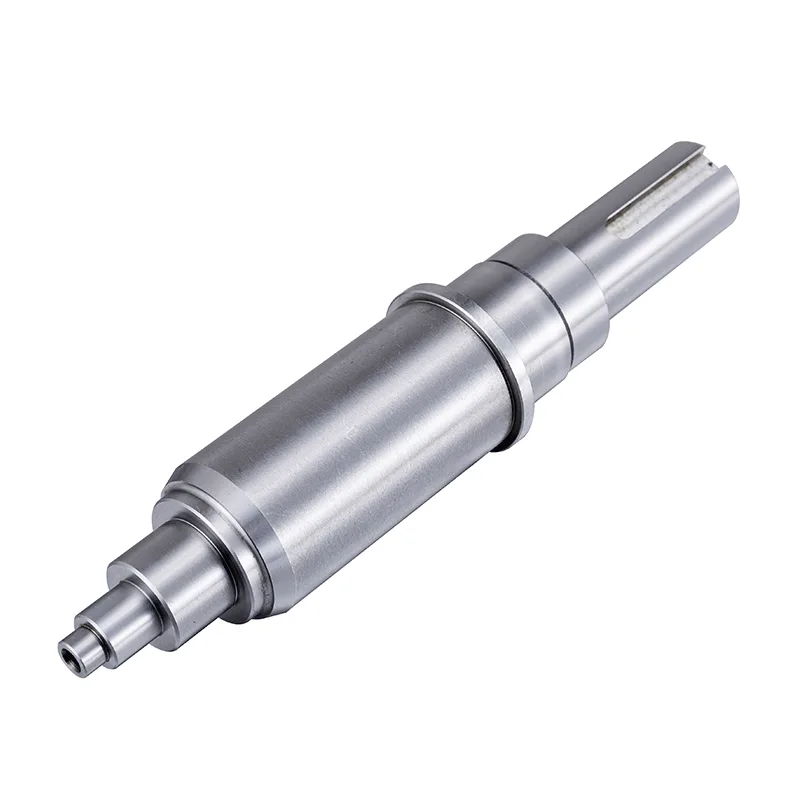
A precision shaft is a highly engineered cylindrical component designed to transmit motion, torque, or rotational force with minimal deviation. Unlike standard shafts, precision shafts are manufactured with tight tolerances, superior surface finishes, and consistent dimensional accuracy.
These shafts are widely used in systems requiring high stability and reliability, such as automation equipment, CNC machinery, and robotics.
Precision shafts play a crucial role in ensuring machinery operates smoothly and efficiently. Their importance lies in:
Without precision shafts, even the most advanced machinery would suffer from misalignment and premature wear.
| Material | Properties | Common Applications |
|---|---|---|
| Carbon Steel | High strength, cost-effective | General machinery |
| Stainless Steel | Corrosion-resistant | Medical & food industries |
| Alloy Steel | High durability and toughness | Heavy-duty equipment |
| Aluminum | Lightweight, corrosion-resistant | Aerospace and robotics |
The production of precision shafts involves several critical steps:
Each step is carefully controlled to ensure dimensional accuracy and performance consistency.
Precision shafts are essential across various sectors:
Their versatility makes them indispensable in modern engineering.
| Specification | Description |
|---|---|
| Diameter Tolerance | Typically within microns |
| Straightness | Critical for alignment |
| Surface Roughness | Impacts friction and wear |
| Hardness | Determines durability |
When selecting a precision shaft, consider the following:
Choosing the right shaft ensures optimal performance and cost efficiency.
S-SEN is a trusted manufacturer known for delivering high-quality precision shafts. Their advantages include:
Partnering with S-SEN ensures consistent quality and reliable performance.
To maximize the lifespan of precision shafts:
Proper maintenance reduces downtime and increases efficiency.
Industries like automotive, aerospace, and automation heavily rely on precision shafts for accurate motion control.
They are manufactured with extremely tight tolerances, often within microns, ensuring high accuracy.
Yes, manufacturers like S-SEN offer custom solutions based on specific requirements.
Precision shafts have tighter tolerances, better finishes, and higher performance reliability.
Regular lubrication, inspection, and proper handling are key to maintaining performance.
Precision shafts are the backbone of modern mechanical systems, enabling smooth motion, accuracy, and durability. By understanding their materials, manufacturing processes, and applications, businesses can make informed decisions that enhance performance and reduce costs.
If you're looking for high-quality, reliable solutions, S-SEN offers industry-leading precision shafts tailored to your needs. Contact us today to discover how we can support your next project with precision engineering excellence.