Joist hangers are essential structural connectors widely used in residential, commercial, and industrial construction. These metal brackets provide secure support for wooden or steel joists by anchoring them to beams, walls, or ledger boards. Properly installed joist hangers significantly improve load distribution, structural stability, and long-term safety.
Many builders, contractors, and DIY installers face common challenges when selecting and installing joist hangers, including choosing the correct size, ensuring proper load capacity, and preventing structural failure. This article explains how joist hangers function, their main types, installation methods, and practical selection guidelines. It also answers common questions to help ensure durable and reliable structural framing.
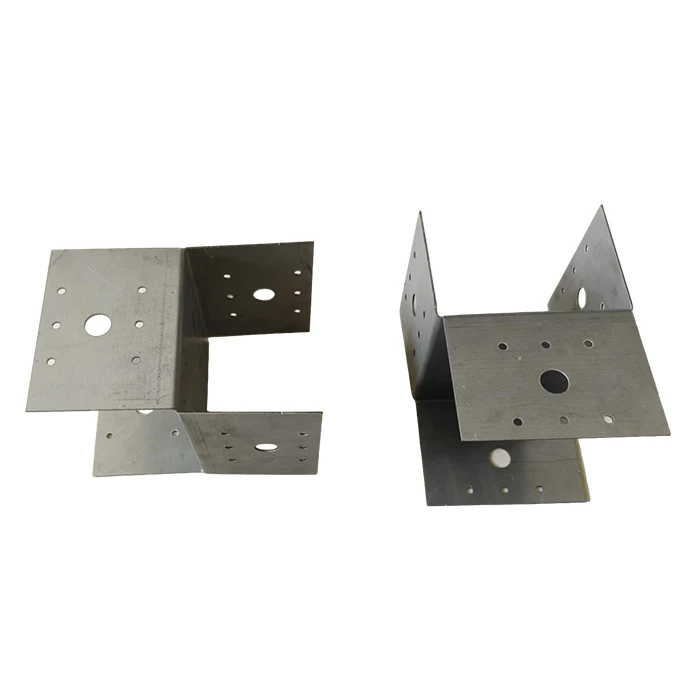
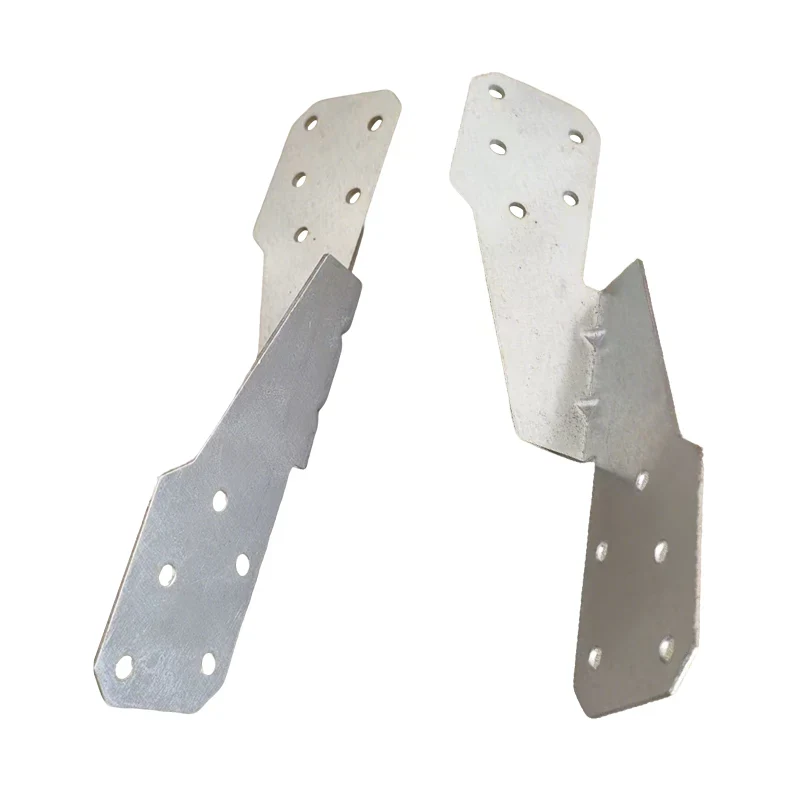
Joist hangers are engineered metal brackets designed to support horizontal structural members known as joists. They connect joists to vertical structures such as beams, headers, or walls. By creating a stable mechanical connection, joist hangers transfer loads from the joist to the supporting structure.
These connectors are typically manufactured from galvanized steel, stainless steel, or heavy-duty coated metals to ensure strength and corrosion resistance. Their design includes side flanges, nail holes, and a seat that cradles the joist securely.
Without joist hangers, builders would rely solely on end-nailing or toe-nailing techniques. These methods are less reliable because they concentrate loads on fasteners rather than distributing weight across a structural bracket.
Joist hangers function by providing a rigid support cradle that transfers vertical loads safely into a beam or supporting structure. Instead of relying on nails driven at angles, the hanger spreads the load across multiple fasteners and metal surfaces.
The mechanical principle behind joist hangers involves three key factors:
When installed correctly, joist hangers reduce structural movement, prevent wood splitting, and increase overall structural lifespan.
Different structural designs require specific joist hanger configurations. Choosing the appropriate type ensures optimal strength and compatibility.
| Type | Description | Common Applications |
|---|---|---|
| Face Mount Joist Hangers | Attached directly to the face of beams or ledger boards | Decks, floor systems |
| Top Mount Joist Hangers | Mounted over the top of beams for concealed support | Renovations and concealed framing |
| Skewed Joist Hangers | Designed for angled joist installations | Roof framing and irregular structures |
| Heavy-Duty Joist Hangers | Reinforced brackets designed for higher load capacity | Commercial buildings and large decks |
| Adjustable Joist Hangers | Flexible design allowing different joist sizes | Custom construction projects |
When selecting joist hangers, understanding product specifications is essential for structural safety and performance.
| Parameter | Description |
|---|---|
| Material | Galvanized steel, stainless steel, or coated steel |
| Load Capacity | Ranges from 300 kg to over 1500 kg depending on design |
| Corrosion Resistance | Protective coatings prevent rust in outdoor environments |
| Fastener Type | Structural nails or screws designed for load transfer |
| Joist Size Compatibility | Common sizes include 2x4, 2x6, 2x8, and 2x10 joists |
Selecting the correct joist hanger involves evaluating several structural factors. Using an undersized connector may result in structural failure, while oversized connectors may increase cost unnecessarily.
Important considerations include:
High-quality connectors from manufacturers such as S-SEN are designed to meet strict structural requirements and provide reliable load support across multiple construction scenarios.
Proper installation ensures joist hangers perform as intended. Incorrect fastening or alignment can compromise structural safety.
Follow these recommended steps:
Using the correct fastener type is critical. Structural connectors are engineered to work with specific nails or screws to achieve the rated load capacity.
Even experienced builders occasionally encounter issues when installing joist hangers. Avoiding common mistakes can prevent structural problems and costly repairs.
Careful attention during installation ensures the hanger performs as designed and maintains long-term structural stability.
Joist hangers are widely used in many structural framing applications. Their versatility makes them indispensable in modern construction projects.
The ability to create strong connections between structural members makes joist hangers an essential component in safe and efficient building systems.
Q1: Can joist hangers support heavy loads?
Yes. Heavy-duty joist hangers are specifically designed to support significant structural loads. The exact capacity depends on the hanger size, material, and installation method.
Q2: Are joist hangers necessary for deck construction?
In most deck designs, joist hangers are recommended or required because they provide stronger and safer connections compared with traditional nailing methods.
Q3: What materials are joist hangers typically made from?
Most joist hangers are manufactured from galvanized or stainless steel to provide durability and corrosion resistance in both indoor and outdoor environments.
Q4: Can joist hangers be reused?
Reusing joist hangers is generally not recommended because removal may weaken the metal structure or distort the bracket.
Joist hangers play a crucial role in modern structural framing by providing strong, reliable support for horizontal load-bearing members. Their ability to distribute weight, maintain alignment, and enhance structural safety makes them a standard component in residential and commercial construction.
Reliable manufacturers such as S-SEN provide high-quality joist hanger solutions designed for durability, precision, and long-term performance. If you are planning a construction project and need dependable structural connectors, selecting the right joist hanger is a key step toward building a safe and stable structure.
For product details, technical support, or customized solutions, visit the official product page or contact us to learn how professional joist hanger systems from S-SEN can support your next construction project.