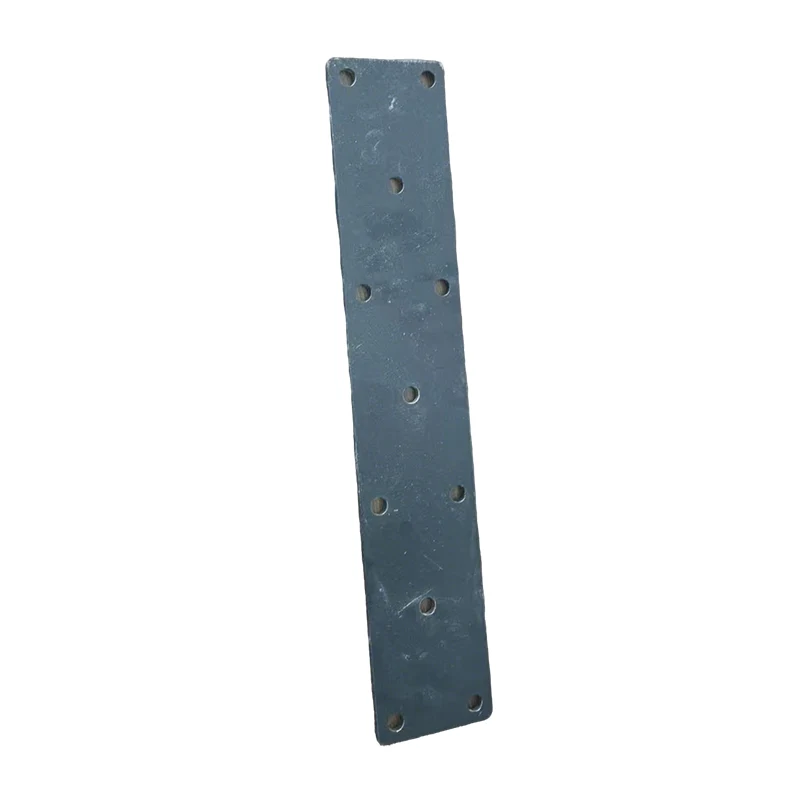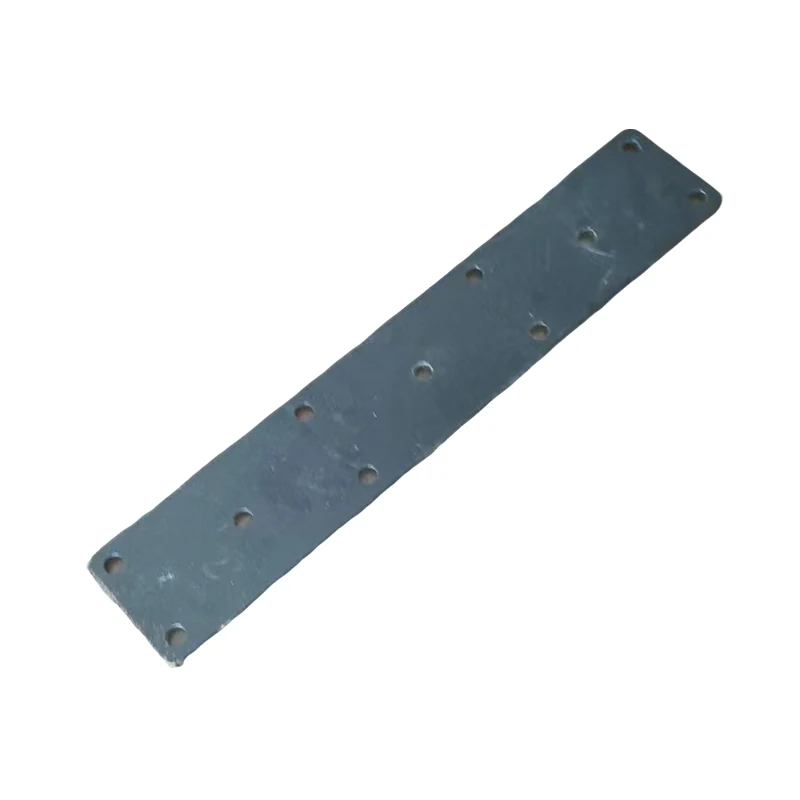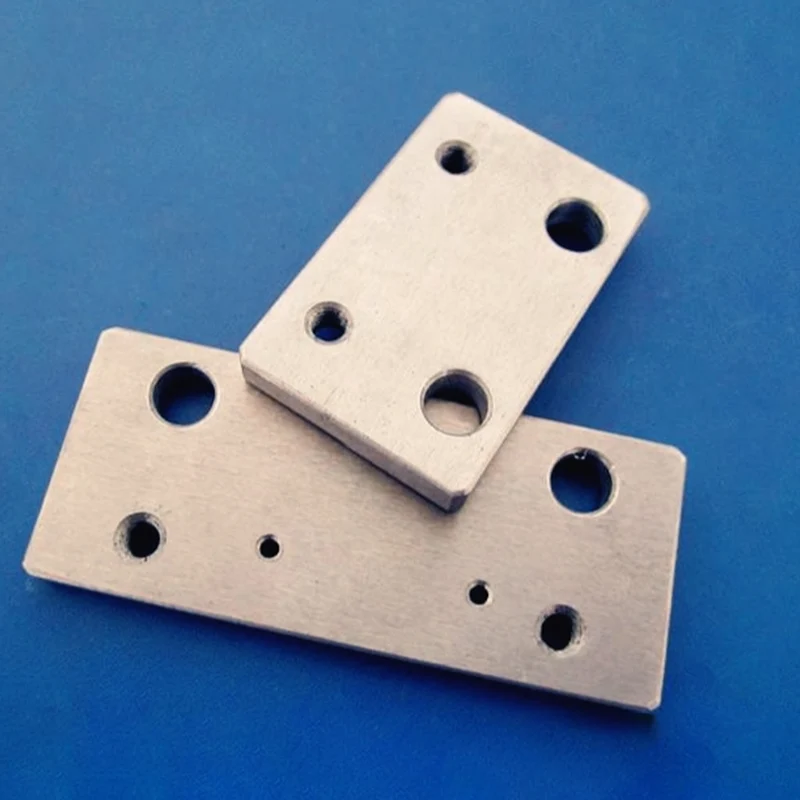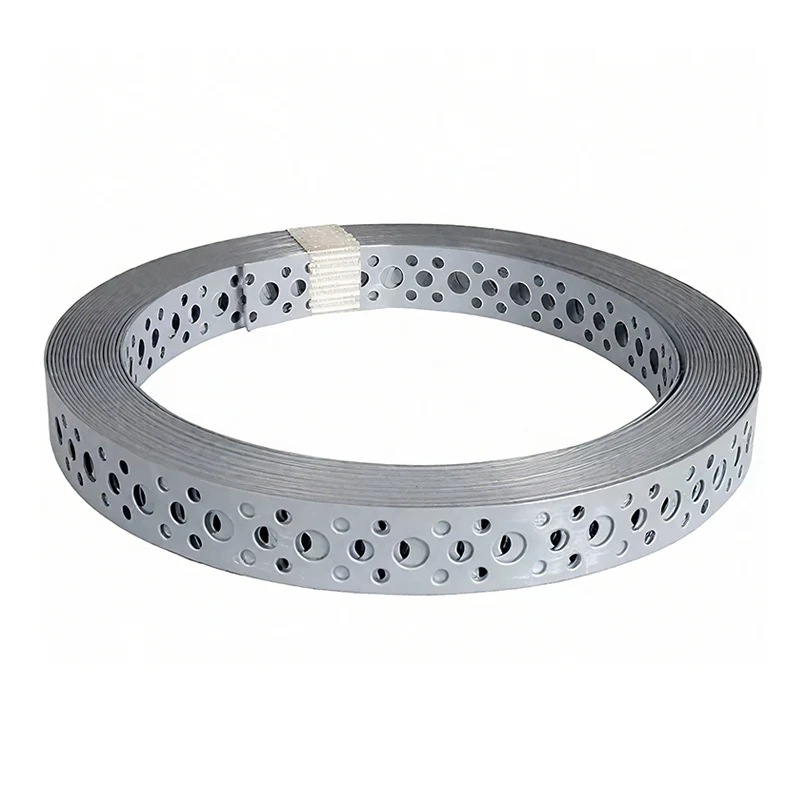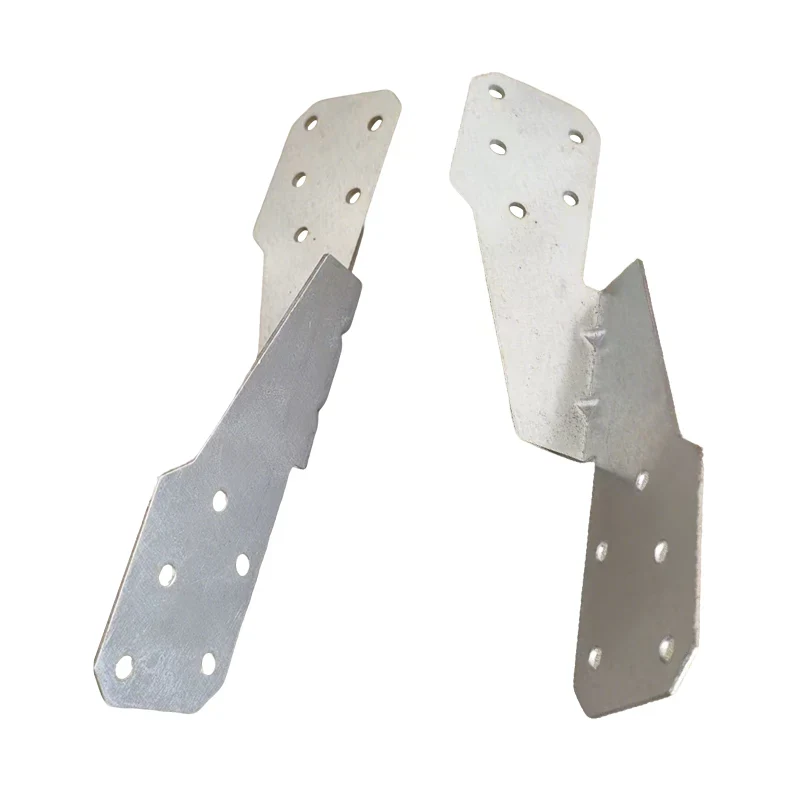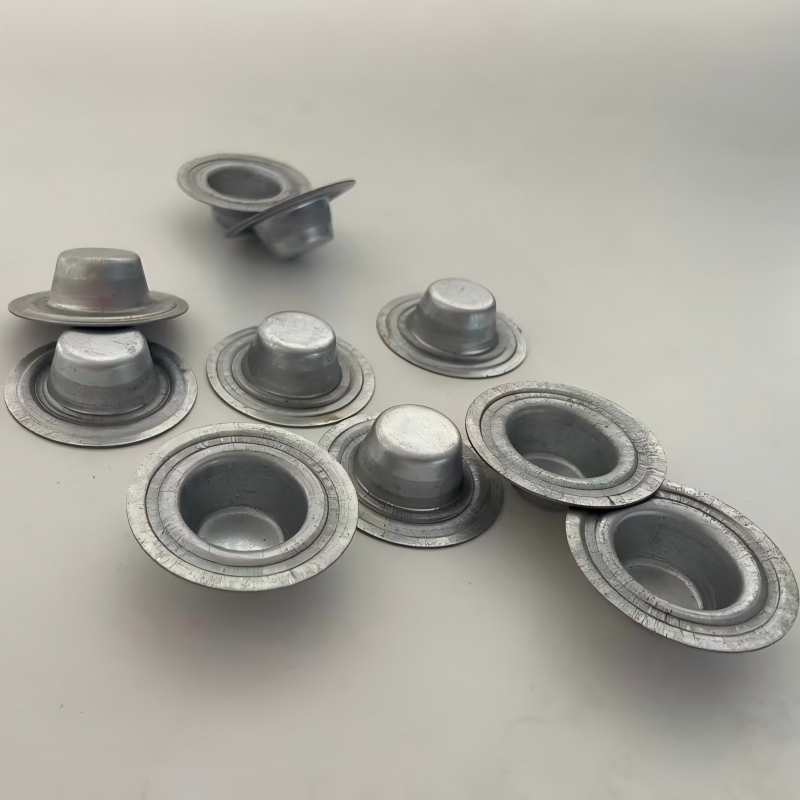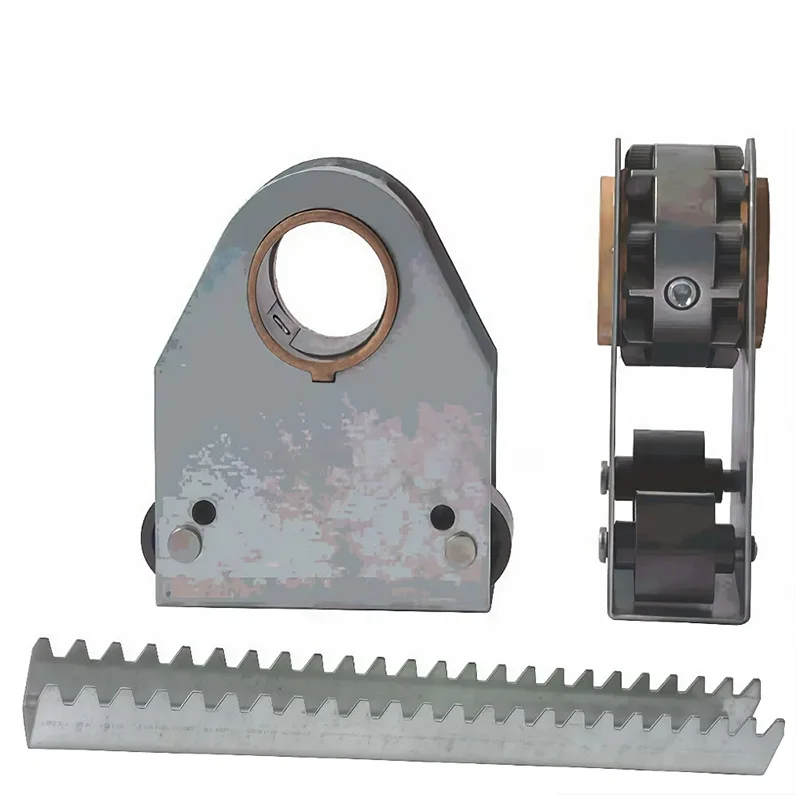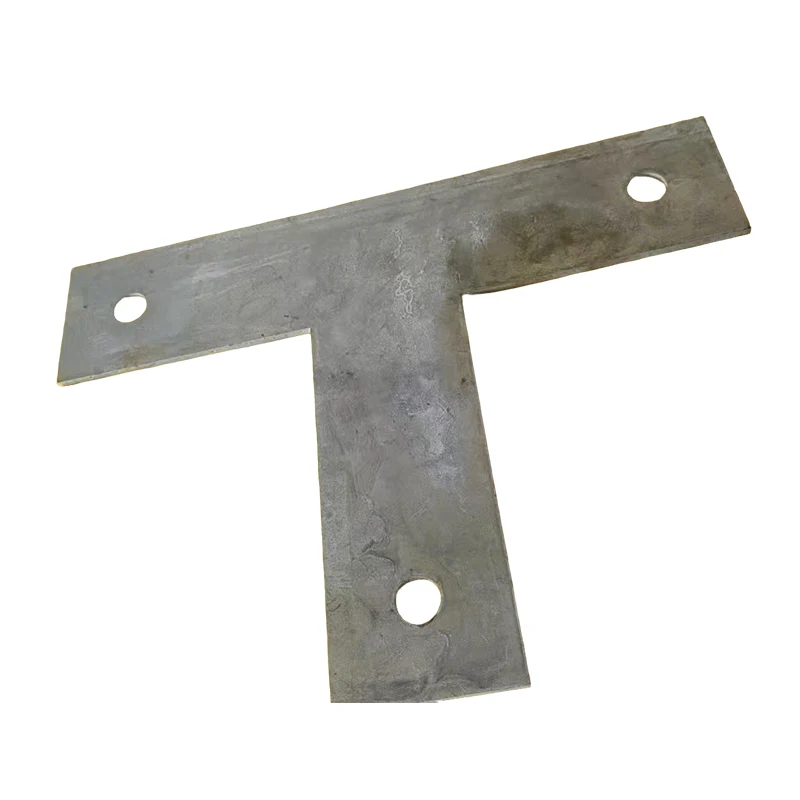
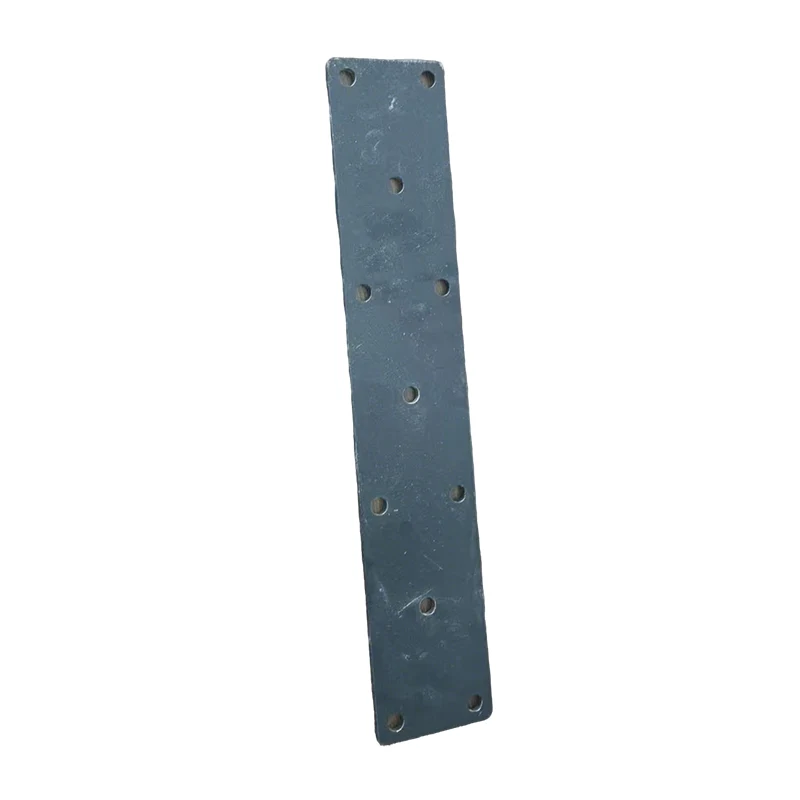
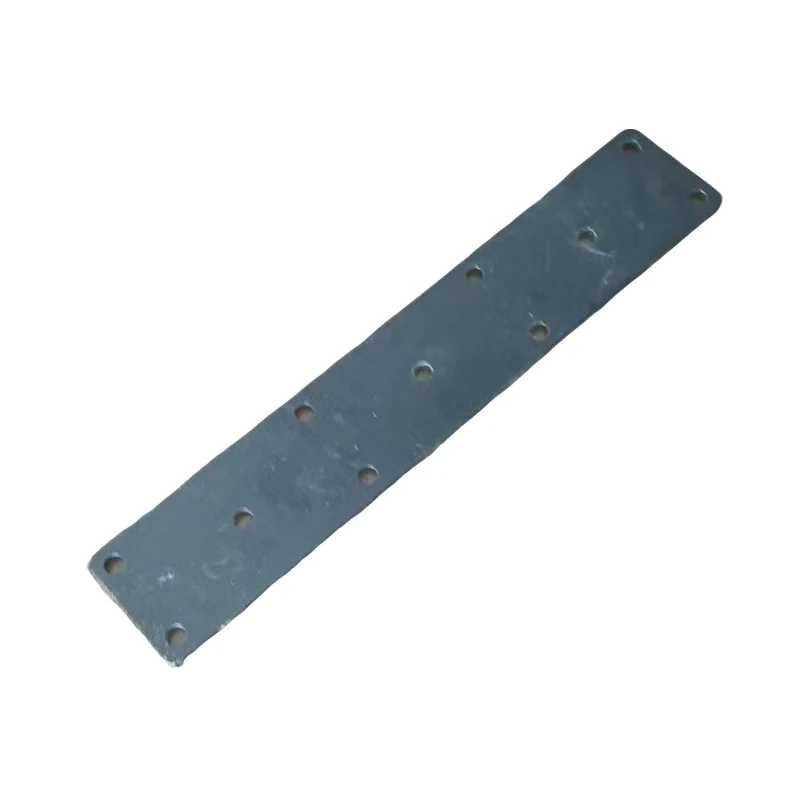
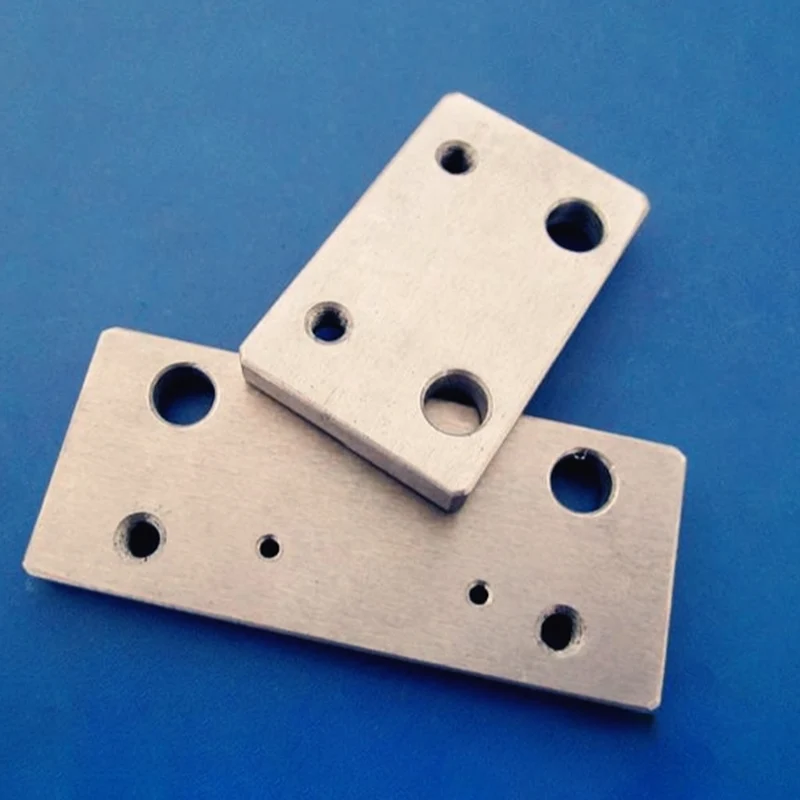
Deep stamping parts are metal parts that are formed through multiple stretching processes. They are characterized by great depth, complex shape, and strong integrity.
Brand :S-SEN
In the era of highly integrated industrial design, S-SEN's deep stamping parts solutions transcend conventional stamping processes. By seamlessly integrating material mechanics, mold engineering, and precision control, we transform two-dimensional sheets into three-dimensional structures with remarkable depth-to-diameter ratios. As your trusted "deep-drawing solution specialist", we are committed to delivering exceptional value through this cutting-edge approach.
Metal processing parameter table
|
Parameter category |
Specifications parameters |
Notes |
|
Applicable materials |
Deep drawing steel, stainless steel, aluminum alloy, copper alloy and so on |
Material thickness tolerance requirements are strict |
|
Material thickness |
0.3mm - 4.0mm |
Depends on the material and depth ratio |
|
Maximum processing dimensions |
diameter≤300mm |
Customizable development |
|
Maximum depth-to-diameter ratio |
≤3 : 1 |
Industry-leading level |
|
dimensional accuracy |
±0.05mm |
Achieve higher accuracy |
|
surface quality |
No scratches, no strains |
Based on professional mold and lubrication |
|
die life |
500,000-1 million |
Depends on the material and complexity |
|
Follow-up process |
Cutting edge, flipping hole, tapping, welding, electroplating, spraying and so on |
On-demand services |
We are proficient in making deep stamping parts.Proficient in the processing of various deep-drawing special materials, including deep-drawing steel (SPCE/DC04/DC06), stainless steel (304/430), aluminum alloy (1050/3003), pure copper, brass, etc., and can recommend the best material scheme according to your functional requirements.
We have a professional team of mold design and manufacturing, using CAD/CAE simulation analysis to optimize the stamping process, ensure the life of the mold and the precision of the parts, and fundamentally guarantee the consistency of product quality.
Although it requires mold input, it has great cost advantage in medium to large batch production. The unit cost decreases exponentially with the increase of output, which is an ideal choice for mass production projects.